
Now Reading: Odebiyi Backs Tinubu’s $1tn Economic Ambition, Says Risk Management Is Key
-
01
Odebiyi Backs Tinubu’s $1tn Economic Ambition, Says Risk Management Is Key
Odebiyi Backs Tinubu’s $1tn Economic Ambition, Says Risk Management Is Key

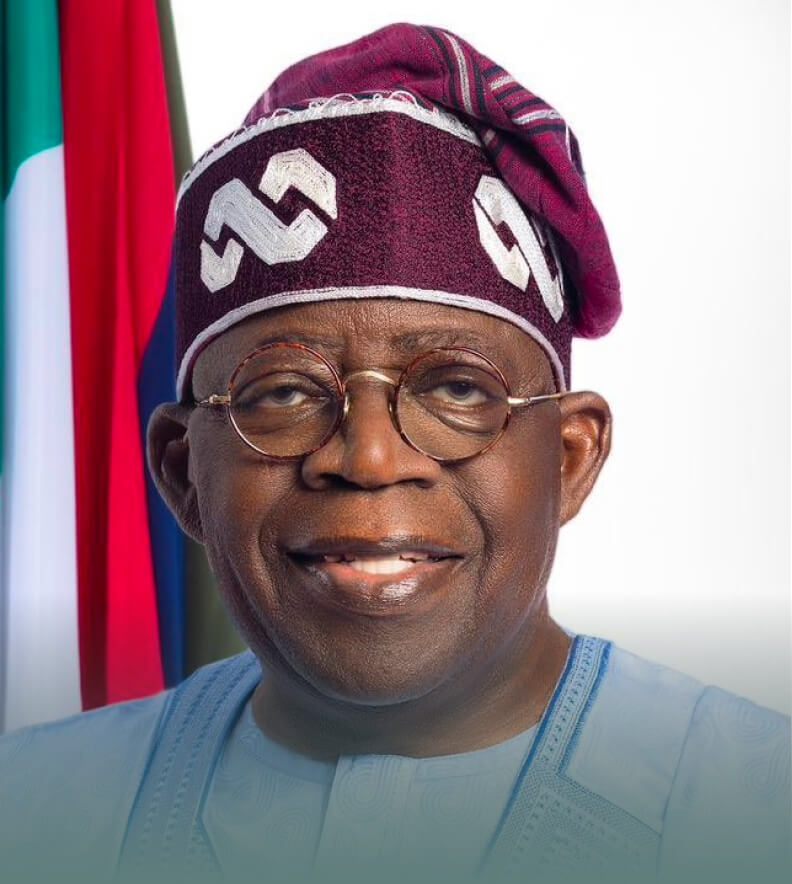
Former Senator Tolu Odebiyi has thrown his support behind President Bola Tinubu’s ambition to build a $1 trillion Nigerian economy, emphasising the importance of effective risk management in achieving sustainable growth and national development.
Odebiyi made this known in his acceptance speech after receiving the Honorary Fellow Chartered Risk Manager (HFCRM) award from the Chartered Risk Management Institute of Nigeria at the Oriental Hotel, Lagos, on October 15, 2026.
The former lawmaker’s remarks were contained in a statement made available to PUNCH Online on Thursday.
He commended Tinubu’s economic vision and initiatives aimed at transforming the nation’s economy, attracting investment, strengthening institutions and creating opportunities for sustainable development.
However, Odebiyi noted that achieving the $1 trillion economic target would require more than ambitious policies, stressing the need for effective implementation, sound governance, strong institutions and robust risk management practices.
“Risk management must be at the heart of this transformation,” he said, adding that Nigeria’s economic goals would be more attainable if risk management became an integral part of public policy, infrastructure development, financial management and private-sector investment.
He urged Nigerians to remain committed to the country’s economic transformation agenda, noting that sustainable progress would depend on collective responsibility, accountability and the ability to translate government policies into tangible improvements in citizens’ lives.
According to Odebiyi, effective risk management could help protect public resources, improve project delivery, boost investor confidence, reduce waste and ensure that investments generate measurable economic returns.
He identified energy, agriculture, manufacturing, mining, technology, financial services and infrastructure as critical sectors for Nigeria’s economic expansion.
He explained that these sectors required systematic risk assessment, efficient resource allocation and measures to strengthen resilience against economic shocks.
The former senator warned against treating risk management merely as a compliance requirement, describing it instead as a strategic tool for national development.
“For our $1 trillion economic ambition to become a sustainable reality, risk management must move beyond a compliance requirement and become a strategic instrument of national development,” he said.
Odebiyi added that incorporating risk management into government budgeting, major capital projects, public-private partnerships, corporate governance and national asset management would improve accountability and maximise the value of public expenditure.
Reflecting on his role in establishing the Chartered Risk Management Institute of Nigeria, he recalled initiating the bill that laid the foundation for the institute’s statutory recognition during his tenure in the Senate.
He said his involvement was driven by the belief that risk management was too important to Nigeria’s development to operate without a proper statutory framework and professional recognition.
The institute subsequently received its charter under Act No. 39 of 2022, establishing a formal foundation for the advancement of professional risk management in Nigeria.
Odebiyi also identified financial, economic, environmental, technological and institutional risks as major challenges facing the country.
He argued that Nigeria needed professionals with the expertise, integrity and ethical standards required to anticipate and manage increasingly complex risks.
He urged the institute to strengthen its position as a centre of excellence for risk management in Africa through professional education, research, certification, ethical standards and collaboration with government and the private sector.
According to him, the country’s economic transformation would benefit from a new generation of risk management professionals capable of supporting policy implementation, improving institutional performance and enhancing Nigeria’s competitiveness in the global economy.
Describing the honorary fellowship as a responsibility rather than merely an award, Odebiyi said the recognition had strengthened his commitment to nation-building and institutional development.
He expressed appreciation to the institute’s chairman, council members, fellows and other distinguished guests for the honour, while calling on professional institutions to contribute meaningfully to Nigeria’s economic resilience and long-term prosperity.
Odebiyi concluded that achieving the country’s economic ambitions would require collective effort, sustained commitment and responsible management of both opportunities and risks.
He maintained that integrating risk management into national planning and economic decision-making would strengthen institutions, protect investments and improve the prospects of sustainable economic growth.