Now Reading: WMO Warns of Powerful El Niño, Raises Concerns Over Heat, Flooding in Nigeria
-
01
WMO Warns of Powerful El Niño, Raises Concerns Over Heat, Flooding in Nigeria
WMO Warns of Powerful El Niño, Raises Concerns Over Heat, Flooding in Nigeria

The World Meteorological Organization (WMO) has warned that El Niño is strengthening and could become one of the strongest events recorded since 1950, with its effects potentially extending into early 2027.
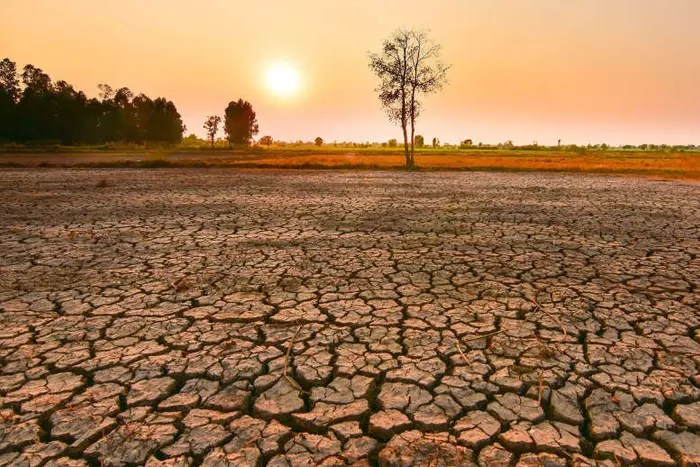
In its October update, the agency said unusually warm sea surface temperatures in the central and eastern Pacific Ocean could influence weather patterns worldwide, raising the risk of extreme heat, drought in some areas and flooding in others.
The changing climate conditions could also have implications for Nigeria, where shifts in temperature and rainfall patterns may place additional pressure on agriculture, water supplies and food prices.
A report by the Climate Impact Lab projects that Nigeria could experience approximately 31,400 additional heat-related deaths over a six-month period. However, the figure is a projection and should not be interpreted as a confirmed death toll.
The potential impacts of El Niño are expected to vary across regions, making local weather forecasts and early preparation particularly important, according to the WMO.
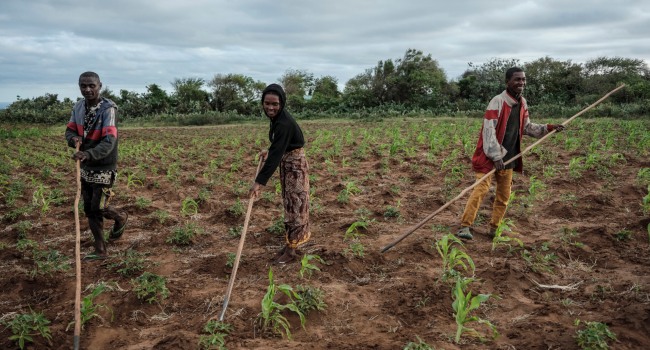
In Nigeria, disruptions to rainfall could affect farming activities, while prolonged periods of extreme heat could increase health risks and place further demands on water resources.
Residents are advised to follow official weather and public health guidance, drink sufficient water during periods of extreme heat and take flood alerts and warnings about possible water shortages seriously.
The WMO’s warning highlights the importance of preparedness as countries monitor evolving weather conditions and work to reduce the potential effects on communities, livelihoods and essential services.