Now Reading: Niger Assembly Approves 2027–2029 Expenditure Framework, Targets Revenue Growth
-
01
Niger Assembly Approves 2027–2029 Expenditure Framework, Targets Revenue Growth
Niger Assembly Approves 2027–2029 Expenditure Framework, Targets Revenue Growth

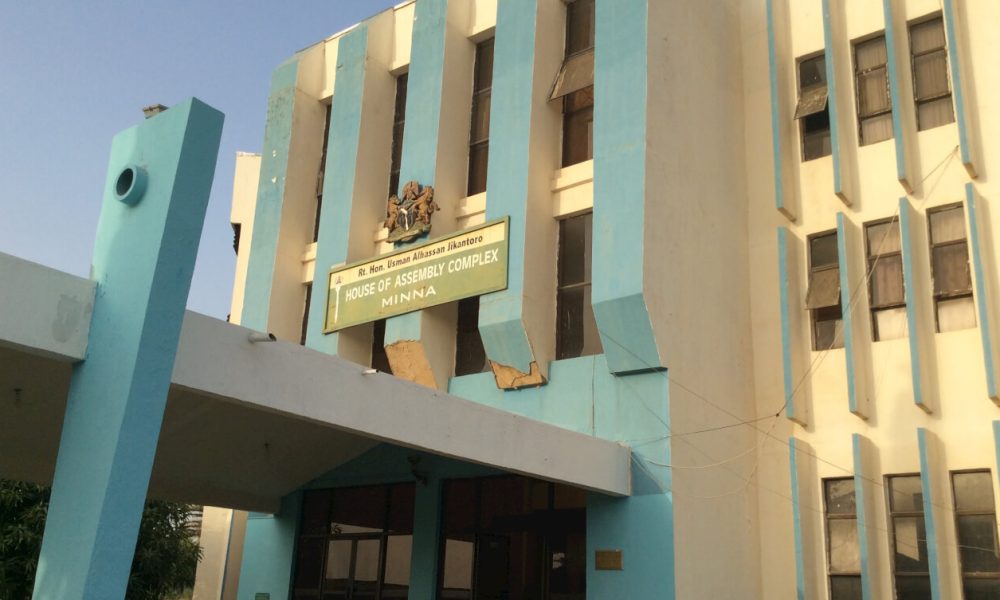
The Niger State House of Assembly has approved the state’s 2027–2029 Medium-Term Expenditure Framework (MTEF), with a focus on increasing internally generated revenue, controlling public spending, managing debt and prioritising capital projects.
The three-year fiscal framework is designed to strengthen financial discipline by aligning government policies, budgetary allocations and development priorities with available resources and the New Niger Agenda.
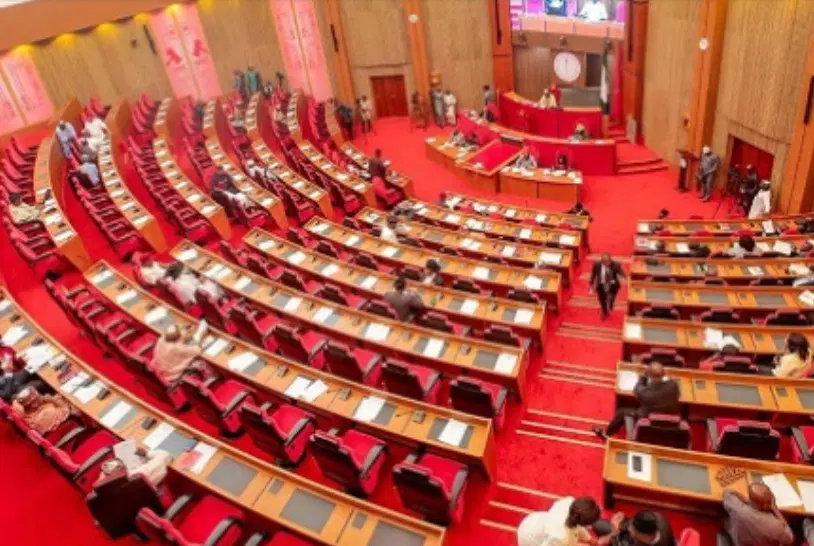
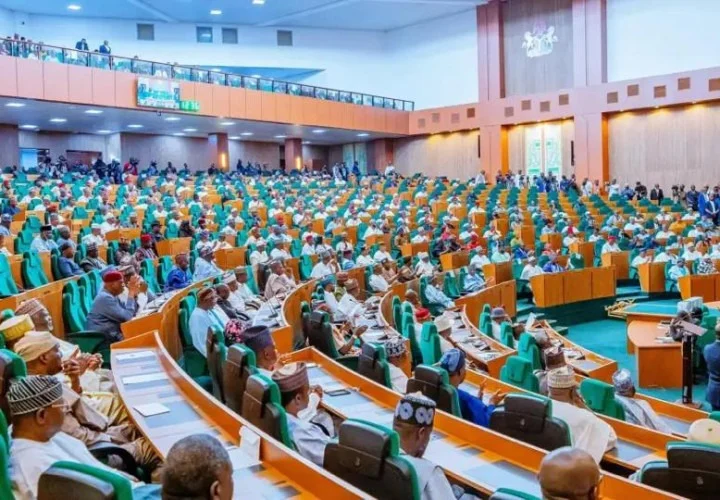
The approval followed the presentation of a report by the House Standing Committee on Planning and Appropriation during plenary.
Presenting the report, the committee chairman and member representing Rafi Constituency, Hon. Zubairu Ismaila, said the committee had consulted relevant stakeholders, including the Niger State Planning Commission and the Ministry of Finance, in reviewing the framework.
Ismaila explained that the MTEF provides a basis for coordinating government policies, economic projections and budget preparation to ensure that public expenditure reflects the state’s development priorities.
The framework comprises three key components: the Economic and Fiscal Update, Fiscal Strategy Paper and Budget Policy Statement. Together, they provide a basis for evaluating the state’s economic outlook, revenue projections, spending priorities and fiscal management strategy.
Among the major objectives are boosting internally generated revenue, reducing pressure from recurrent expenditure, prioritising capital projects, keeping public debt within approved limits and ensuring that government programmes align with the New Niger Agenda.
The approval comes amid growing pressure on governments to meet competing development needs while operating within available financial resources. Effective revenue mobilisation, expenditure control and prudent borrowing remain central to maintaining sustainable public finances.
Following consideration of the committee’s report, lawmakers approved the MTEF for the 2027–2029 fiscal period.
The Speaker of the House, Abdulmalik Sarkin-Daji, subsequently directed the Clerk to transmit the Assembly’s resolution to the state Executive for necessary action.