Now Reading: Reps Summon INEC Chairman Amupitan Over 2027 Election Preparations
-
01
Reps Summon INEC Chairman Amupitan Over 2027 Election Preparations

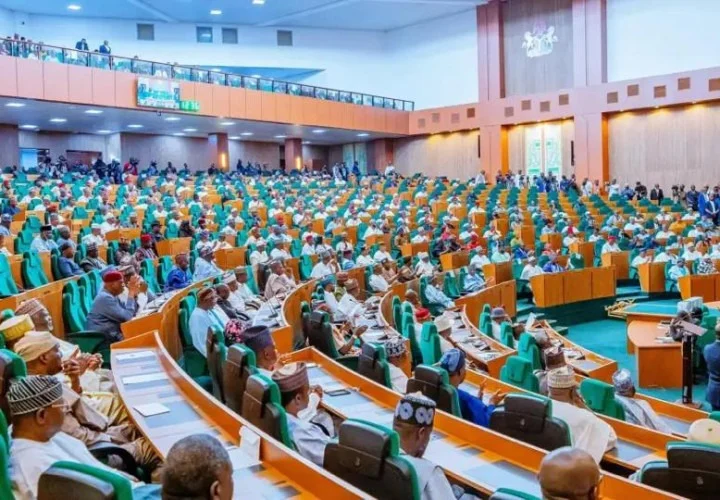
The House of Representatives has directed the Chairman of the Independent National Electoral Commission (INEC), Prof. Joash Amupitan, to appear before its Committee on Electoral Matters within seven legislative days to brief lawmakers on preparations for the 2027 general elections.
The directive, adopted during Wednesday’s plenary, places particular emphasis on preventing the disenfranchisement of eligible voters in areas affected by insecurity.
The resolution followed the adoption of a motion sponsored by the Minority Whip, Mansur Soro, and the Deputy Minority Leader, Abdulsamad Dasuki.
The committee is expected to assess INEC’s readiness in continuous voter registration, Permanent Voter Card (PVC) management, election logistics, deployment of the Bimodal Voter Accreditation System (BVAS) and the INEC Result Viewing Portal (IReV). Other areas of focus include the training of electoral personnel, election security and funding.
Lawmakers also want the commission to provide an assessment of lessons learnt from the recent governorship elections in Ekiti and Osun states.
Under the directive, Amupitan is expected to submit a detailed account of progress in voter registration, PVC production and distribution, deployment of election technology, recruitment and training of electoral officials, as well as operational and security challenges facing the commission.
The committee will also examine INEC’s budgetary allocations, funds released, outstanding payments and the possible effects of funding gaps on the implementation of the election timetable.
The motion initially proposed that the INEC chairman appear before the entire House during plenary. However, Deputy Speaker Benjamin Kalu opposed that arrangement, arguing that the responsibility should be handled by the Committee on Electoral Matters, which has oversight of the commission.
Kalu maintained that the committee was capable of conducting the necessary scrutiny, noting that Amupitan had recently briefed the public on INEC’s preparations and the challenges confronting it.
“While I agree, such oversight should be carried out, I believe that the oversight should be by the committee of the House that has been given this responsibility to do so,” he said.
Speaker Tajudeen Abbas clarified that the House was not opposed to engaging the INEC chairman but insisted that the briefing should take place at committee level rather than during plenary. He directed the committee to publicise the date of the meeting to allow other interested lawmakers to attend and ask questions.
Presenting the motion, Soro cited Sections 76, 116, 132 and 178 of the 1999 Constitution, as amended, relevant provisions of the Constitution’s Third Schedule and the Electoral Act 2026 as the legal basis for INEC’s responsibility to organise, conduct and supervise elections.
He argued that the credibility and public acceptance of the 2027 elections would depend significantly on the commission’s preparedness in voter registration, logistics, technology deployment, voter education, personnel training, security coordination and funding.
Soro also highlighted reported difficulties at Continuous Voter Registration centres across the country, including inadequate equipment, insufficient personnel, network problems, long waiting times and growing demand from citizens seeking to register or update their voter details.
He warned that these challenges could disproportionately affect first-time voters, rural residents, persons with disabilities, students and workers, potentially limiting access to voter registration without timely intervention.
According to the lawmaker, delays in addressing shortcomings could also affect the procurement of election materials, deployment of technology, training of electoral officials, voter education and security planning.
Dasuki, who co-sponsored the motion, said concerns about insecurity were central to the request, particularly the risk that eligible voters in affected communities might be unable to reach polling units or participate safely in the elections.
“This is the very first time we are going into an election with 11 months of security concerns,” he said.
He disclosed that lawmakers had sponsored about 255 motions relating to insecurity, arguing that the situation raised questions about electoral participation in some constituencies and polling units.
Dasuki called on INEC to explain how it planned to conduct elections in areas where insecurity could prevent voters from accessing polling stations or disrupt electoral operations.
The planned committee session is expected to give lawmakers an opportunity to examine the commission’s preparations, identify outstanding challenges and consider interventions needed to support inclusive, credible and peaceful elections in 2027.