Now Reading: 10 African Countries That Restrict or Prohibit Dual Citizenship
-
01
10 African Countries That Restrict or Prohibit Dual Citizenship
10 African Countries That Restrict or Prohibit Dual Citizenship

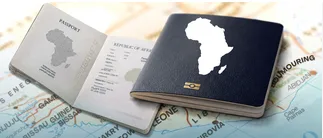
Holding citizenship in more than one country may offer people greater freedom to travel, work and access opportunities across borders. However, several African nations maintain strict nationality laws that restrict or prohibit citizens from acquiring or retaining another country’s citizenship.
These laws reflect different government positions on national identity, loyalty and allegiance. While some countries impose an outright ban on dual citizenship, others allow it under specific conditions or make exceptions based on age, how citizenship was acquired or official approval.
As reported by MSN, a Microsoft-owned online news platform, on Wednesday, 10 African countries with restrictions on dual citizenship include Botswana, Cameroon, the Democratic Republic of the Congo, Equatorial Guinea, Eritrea, Ethiopia, Eswatini, Guinea, Libya and Mauritania.
Botswana has traditionally required citizens with another nationality to choose between the two by the age of 21. However, reforms backed by Parliament in 2025 could broaden the country’s recognition of multiple citizenship.
In Cameroon, adults who voluntarily acquire or retain another nationality may lose their Cameroonian citizenship under existing nationality laws. The Democratic Republic of the Congo takes an even stricter position, with its Constitution describing Congolese nationality as one and exclusive, effectively rejecting dual citizenship.
Equatorial Guinea generally prohibits dual citizenship, except where applicable treaties provide otherwise. Eritrea also maintains restrictions, with citizens who voluntarily acquire another nationality potentially losing their Eritrean citizenship, although exceptions and administrative practices may influence how the rules are enforced.
Ethiopia similarly restricts dual nationality, with citizens who acquire another country’s citizenship potentially losing their Ethiopian status. However, the country provides a separate legal status known as foreign national of Ethiopian origin for people with Ethiopian ancestry who hold another nationality.
Eswatini’s nationality laws also limit dual citizenship, particularly for naturalised citizens who acquire another nationality. Guinea and Libya maintain similar restrictions, with the voluntary acquisition of foreign citizenship potentially affecting an individual’s original nationality, subject to applicable legal exceptions.
Mauritania has moved towards allowing dual citizenship through legal changes in recent years, although restrictions remain, particularly concerning eligibility for certain public offices. This means that people may hold more than one nationality but still face limitations on some rights and opportunities.
The restrictions highlight the different ways African governments approach citizenship and national allegiance. While some continue to enforce single-nationality policies, others have considered changes to accommodate citizens who maintain personal, family or professional connections to multiple countries.
Full List Of 10 African Countries With Restrictions On Dual Citizenship
- Botswana
- Cameroon
- Democratic Republic of the Congo
- Equatorial Guinea
- Eritrea
- Ethiopia
- Eswatini
- Guinea
- Libya
- Mauritania