Now Reading: Kaduna NLC Challenges Oshiomhole Over ₦70,000 Monthly Transport Allowance for Workers
-
01
Kaduna NLC Challenges Oshiomhole Over ₦70,000 Monthly Transport Allowance for Workers
Kaduna NLC Challenges Oshiomhole Over ₦70,000 Monthly Transport Allowance for Workers


The Kaduna State chapter of the Nigeria Labour Congress (NLC) has disagreed with Senator Adams Oshiomhole over the Federal Government’s plan to pay workers a monthly ₦70,000 transport allowance.
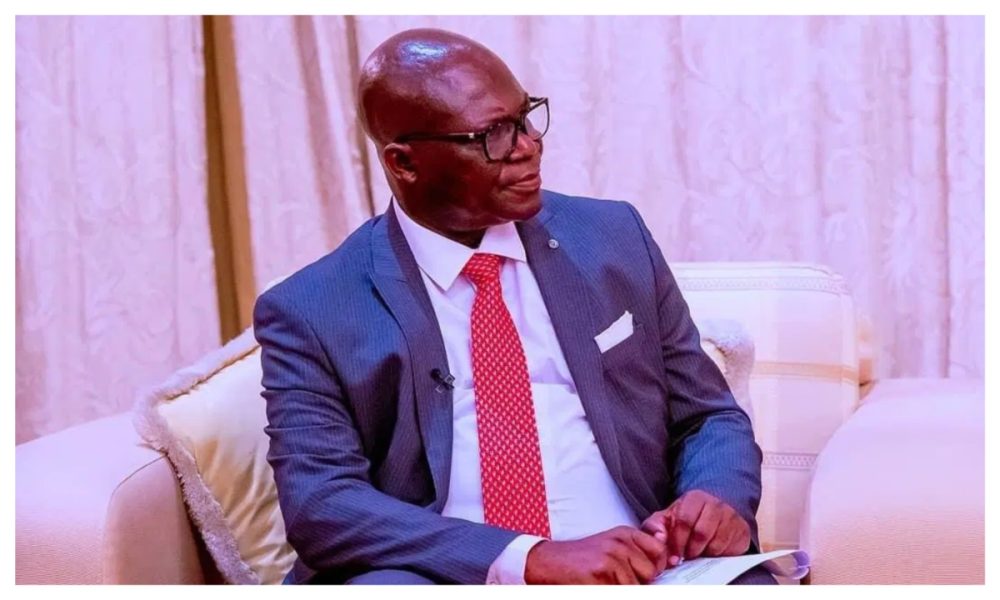
Oshiomhole, who represents Edo North Senatorial District and is a former NLC president, had praised the proposed payment during an appearance on Channels Television’s Politics Today on Thursday.
The senator described the initiative as evidence that President Bola Tinubu’s administration was concerned about workers’ welfare.
“I think this government is doing well. If a man who was on ₦70,000 now is given ₦70,000 addition, that makes it ₦140,000 for him; it’s a hundred per cent increase, and if you know what ₦10,000 means for the real masses, you’ll appreciate that Tinubu has shown that he cares,” Oshiomhole said.
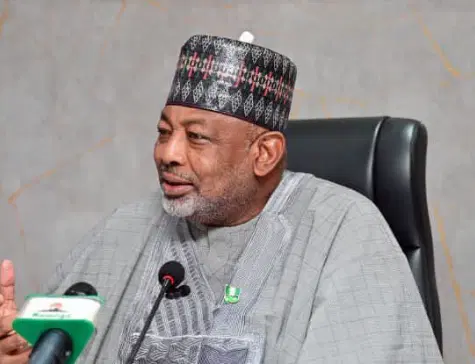
However, Kaduna NLC chairman, Comrade Ayuba Magaji Suleiman, said the proposed allowance, although a welcome development, would provide only temporary relief and would not address the broader financial difficulties facing Nigerian workers.
Suleiman explained that workers were struggling with rising household expenses, including food, transportation, rent, school fees, healthcare, electricity and cooking gas.
He broke down the proposed monthly earnings of a worker as ₦170,000, comprising the ₦70,000 national minimum wage, a ₦30,000 monthly wage award and the proposed ₦70,000 transport allowance.
Despite the additional payment, the labour leader argued that the rising cost of living would continue to put pressure on workers’ incomes.
He therefore called for discussions on a fresh minimum wage to begin at ₦500,000, arguing that salaries should reflect the actual cost of meeting workers’ basic needs.
Suleiman also urged federal and state governments to look beyond salary increases and introduce measures to reduce the cost of living.
He specifically called for more affordable public transportation and other support programmes that could ease the financial burden on workers.
The disagreement highlights differing views on whether additional financial allowances can provide sufficient relief to workers amid rising living costs or whether broader wage and economic reforms are necessary.