Now Reading: VIO Officers Under Fire in Asaba as Motorist Exposes Worn-Out Tyres, Missing Wheel Nuts on Official Vehicle
-
01
VIO Officers Under Fire in Asaba as Motorist Exposes Worn-Out Tyres, Missing Wheel Nuts on Official Vehicle
VIO Officers Under Fire in Asaba as Motorist Exposes Worn-Out Tyres, Missing Wheel Nuts on Official Vehicle

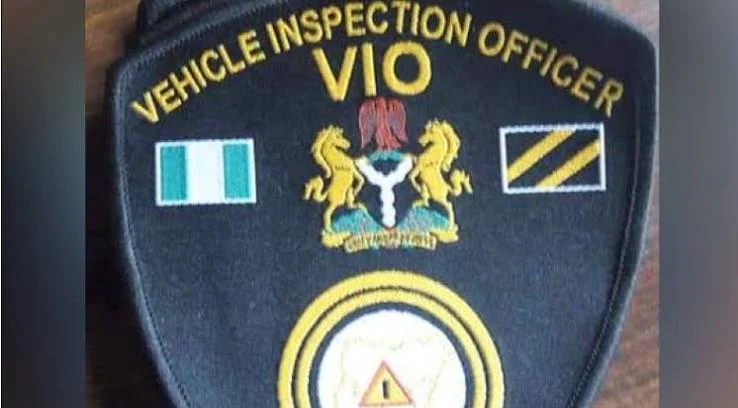
Vehicle Inspection Officers (VIO) in Asaba, Delta State, have come under criticism after a viral video allegedly showed their official vehicle with worn-out tyres, missing wheel nuts and a faulty headlight, despite the officers reportedly stopping motorists over similar roadworthiness defects.
The controversy followed a video shared on X on Monday by a user identified as DammieDammie. In the footage, a man is seen confronting the officers over the condition of their vehicle and questioning their authority to penalise motorists for defects allegedly present on their own vehicle.
Drawing attention to the tyres and missing wheel nuts, the man accused the officers of enforcing road safety regulations without ensuring that their own vehicle met the required standards.
“Look at them, they don’t have tyres. Their tyre is already worn out. No bolt here, and they are stopping people on the road that they don’t have bolt,” he said.
He further expressed disbelief that the officers were stopping motorists for missing wheel nuts when their official vehicle allegedly had similar problems. He repeatedly pointed to the worn-out tyres and missing bolts as evidence of what he described as double standards.
The footage also appeared to show a missing or defective front headlight on the VIO vehicle, raising additional questions about its roadworthiness and compliance with traffic safety requirements.
Sharing the video, DammieDammie criticised the officers for allegedly holding motorists accountable for vehicle defects while using an official vehicle with similar faults.
“VIO officers vehicle tyres have work out badly, some bolts are also missing in their tyres and yet they’re stopping people on the road for bad tyres,” the post read.
The incident has renewed public attention on the responsibility of traffic enforcement agencies to ensure that their official vehicles meet the same safety standards they demand from other road users. It has also sparked questions about accountability and consistency in the enforcement of roadworthiness regulations.