Now Reading: Ukraine, Russia and US Set for Abu Dhabi Peace Talks as Europe Fears Deal With Moscow
-
01
Ukraine, Russia and US Set for Abu Dhabi Peace Talks as Europe Fears Deal With Moscow
Ukraine, Russia and US Set for Abu Dhabi Peace Talks as Europe Fears Deal With Moscow

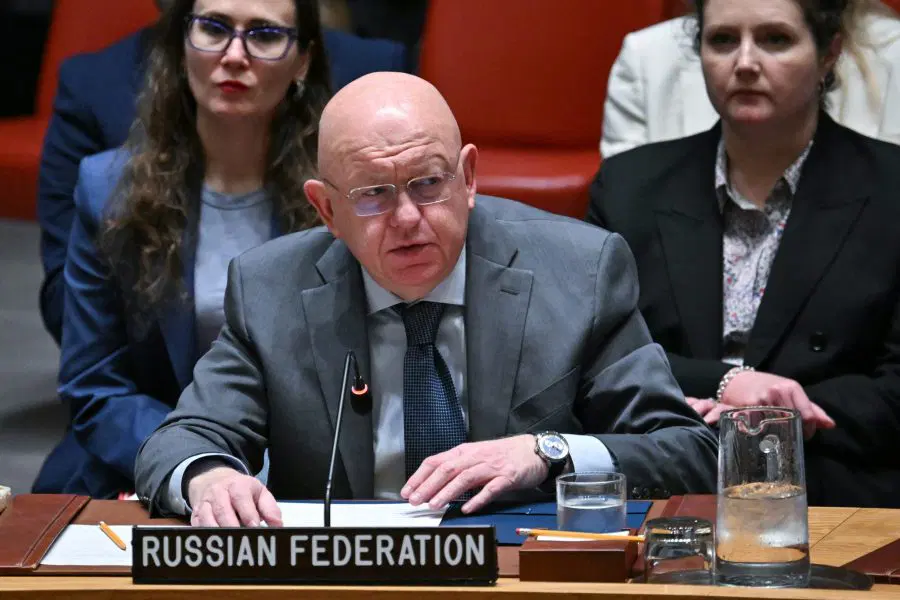
Negotiators from Ukraine, Russia and the United States are scheduled to meet in Abu Dhabi on Tuesday for fresh discussions aimed at ending the war in Ukraine, as concerns grow over the possibility of a peace agreement that could undermine Kyiv’s interests.
The meeting will be the first direct gathering involving the three countries in more than nine months, with European representatives also expected in the United Arab Emirates amid concerns over US President Donald Trump’s approach to negotiations with Moscow.
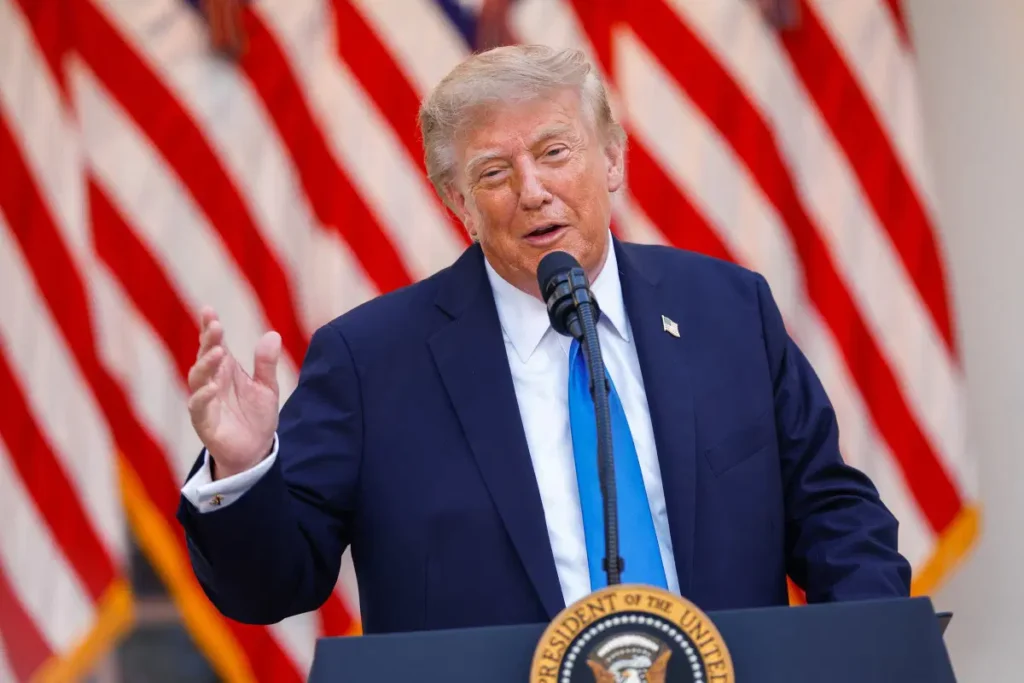
Trump has repeatedly pushed for an end to the Russia-Ukraine war since returning to the White House, but previous diplomatic efforts have failed to produce a breakthrough. The negotiations were also overshadowed by the US-Israeli war against Iran.
Ukraine and several European governments fear Washington could pressure Kyiv into accepting an agreement that would effectively force it to surrender territory to Russia.
Moscow currently controls large areas of Ukrainian territory and has continued its military offensive despite repeated diplomatic efforts. Russia is demanding that Ukraine withdraw from the remaining parts of the Donetsk region under Kyiv’s control, threatening to continue fighting if its demands are rejected.
Trump appeared to suggest that Ukraine would eventually have to surrender some territory ahead of the latest discussions.
“They’re going to end up with a little bit different shape, Ukraine,” he said.
However, Ukrainian authorities have repeatedly rejected the possibility of voluntarily withdrawing from territories still under their control.
The conflict, which began with Russia’s full-scale invasion in February 2022, has killed hundreds of thousands of people and displaced millions. Russia also intensified its attacks ahead of the Abu Dhabi meeting, with Ukrainian authorities reporting that 55 people were killed in a frontline village while queuing for humanitarian assistance.
Ukrainian President Volodymyr Zelensky accused Moscow of escalating its attacks to weaken Kyiv’s negotiating position.
He described the strikes as part of Russia’s strategy of putting pressure on Ukraine ahead of the discussions.
The US delegation is expected to include President Trump’s son-in-law, Jared Kushner, and special envoy Steve Witkoff. They will meet representatives of the two countries for the first time since negotiations held in Geneva in February.
Russia’s delegation will be led by Vladimir Medinsky, an aide to President Vladimir Putin. Sergei Ryabkov, the Russian diplomat who previously issued demands for NATO to withdraw its military presence from Eastern Europe, will also participate.
A senior Ukrainian official in Kyiv expressed limited expectations ahead of the meeting, telling AFP: “We don’t have any particular expectations.”
Europe Raises Concerns Over Security Deal
European governments have expressed concern over Trump’s suggestion of a broader agreement involving European security arrangements and Moscow.
Last week, the US president described the proposed arrangement as a “very big agreement” that would involve Europe, raising fears that Washington and Moscow could negotiate a new security framework without adequately consulting European countries.
Jared Kushner said on Monday that a peace settlement would require direct discussions between Russia and European countries on wider security arrangements affecting the continent.
He added that the United States recognised that difficult decisions would be necessary.
Germany’s Foreign Minister, Johann Wadephul, rejected the idea of creating a new European security arrangement through negotiations between Washington and Moscow.
“For Europe, it is clear: we do not need to establish a new security architecture for Europe,” he said.
Wadephul also urged Russia to abandon what he described as maximalist demands and warned against turning the Abu Dhabi meeting into a diplomatic performance without meaningful progress.
Zelensky has similarly warned against what he called a “Yalta 2.0”, referring to the 1945 conference where major Allied powers discussed the post-war division of Europe.
Ukraine’s chief negotiator, Rustem Umerov, said representatives from the United Kingdom, France, Germany and Italy, alongside officials from NATO and the European Union, would hold separate discussions with Ukraine’s delegation in Abu Dhabi.
However, the Kremlin has maintained that the main negotiations will remain trilateral, involving only Russia, Ukraine and the United States.
Meanwhile, Ukrainian political expert Volodymyr Fesenko described a recent ceasefire in the Kherson region as a positive development, suggesting that Kyiv could pursue similar local agreements to reduce fighting.
The negotiations are taking place amid criticism of Kushner and Witkoff, whom some critics have accused of taking positions favourable to Moscow. US media reports have also raised questions about alleged efforts to pursue business agreements with Russia alongside the diplomatic process.