Now Reading: Africa Loses $205bn Annually to Corruption, Illicit Financial Flows – AU Body
-
01
Africa Loses $205bn Annually to Corruption, Illicit Financial Flows – AU Body
Africa Loses $205bn Annually to Corruption, Illicit Financial Flows – AU Body

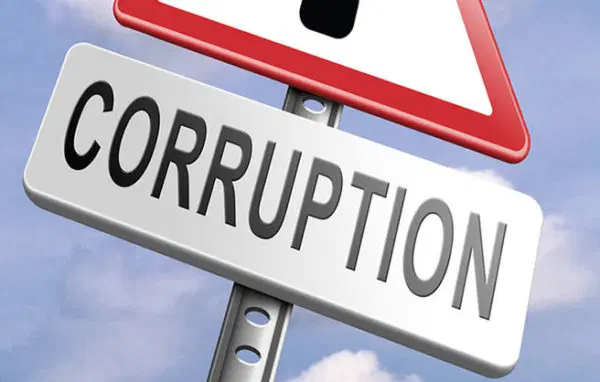
Africa loses an estimated $125 billion annually to illicit financial flows and another $80 billion to corruption, according to the African Union Advisory Board Against Corruption (AUABC).
The figures, disclosed at the First General Assembly of the African Asset Recovery Practitioners’ Forum (AARP-F) in Abuja, highlight the scale of financial resources being drained from the continent and the challenges facing efforts to fund development and strengthen public institutions.
Chairman of the AUABC, Hon. Kwami Senanu, said estimates from the African Union’s United Nations partners put annual losses to corruption at approximately $80 billion, while other stakeholders estimate that illicit financial flows cost Africa about $125 billion yearly.
Senanu said the combined losses could account for approximately 50 per cent of the continent’s domestic revenue mobilisation and 25 per cent of its Gross Domestic Product (GDP).
He called on African countries to move beyond declarations and commitments to concrete action, particularly in recovering stolen assets and ensuring that the proceeds are retained and managed in ways that benefit citizens.
“Beyond our convictions and commitments, let us leave Abuja with plans and sustained actions that ensure that under CAPAR, under this Forum and under this General Assembly, we will have assets recovered, we will have assets retained, and assets managed in ways that absolutely benefit our continent,” he said.
Also speaking, Chairman of the Independent Corrupt Practices and Other Related Offences Commission (ICPC), Dr Musa Adamu Aliyu, SAN, said the increasingly sophisticated and cross-border nature of corruption had made asset recovery more challenging.
Aliyu, who also chairs the Interim Steering Council of AARP-F, explained that stolen funds were often concealed, transferred or invested across different jurisdictions through complex financial arrangements designed to frustrate investigations.
He stressed that no country or institution could tackle the problem in isolation, calling for stronger mutual trust, sustained cooperation, timely information sharing and specialised expertise across legal and institutional boundaries.
The ICPC chairman said asset recovery should not be treated solely as an enforcement or financial investigation exercise but also as a tool for accountability, national development and the protection of public resources.
He warned that every resource lost to corruption represented a missed opportunity to improve education, healthcare, infrastructure, security, employment and other essential public services.
Aliyu identified six strategic priorities for strengthening the forum: institutional development and governance; capacity building and professional development; operational cooperation and information sharing; strategic partnerships; policy and legal development; and sustainability and resource mobilisation.
He said the priorities should be translated into practical programmes supported by clear responsibilities, realistic timelines and measurable indicators.
In his remarks, African Union Commissioner for Political Affairs, Peace and Security, Ambassador Bankole Adeoye, represented by Commissioner Isiaka Garba, reaffirmed the AU’s commitment to strengthening governance, promoting integrity in public institutions and improving cooperation in the recovery and return of illicitly acquired assets.
Adeoye said the African Union was shifting from policy formulation and advocacy towards implementation, institutional strengthening and practical cooperation among member states through frameworks such as the African Union Convention on Preventing and Combating Corruption and the Common African Position on Asset Recovery (CAPAR).
He disclosed that the African Union Commission was developing a draft CAPAR Compliance Monitoring Tool to help member states assess their progress in implementing continental commitments.
The Commission is also conducting a continental study on mutual legal assistance in Africa to identify ways to improve cross-border cooperation in criminal investigations, asset tracing and recovery. Both initiatives are expected to be considered at the General Assembly.
Adeoye highlighted four priorities requiring continental attention: stronger international cooperation, transparency and financial integrity, inclusive international tax cooperation, and investment in implementation and institutional resilience.
He said the success of asset recovery should be measured not only by the value of funds retrieved but also by whether the recovered resources improve public services, strengthen institutions, restore public confidence and deliver better development outcomes.
The four-day General Assembly, holding from November 17 to 20, 2026, in Abuja, is themed, “From Commitment to Action: Enhancing Africa’s Asset Recovery Architecture through Effective Implementation of the Common African Position on Asset Recovery (CAPAR).”
The meeting is expected to validate the forum’s proposed work plan, elect its Steering Council and formally transfer leadership from the Interim Steering Council to the newly elected council.