Now Reading: Tinubu Will Grant More Interviews to Nigerian Journalists, Bwala Assures Amid Criticism
-
01
Tinubu Will Grant More Interviews to Nigerian Journalists, Bwala Assures Amid Criticism
Tinubu Will Grant More Interviews to Nigerian Journalists, Bwala Assures Amid Criticism

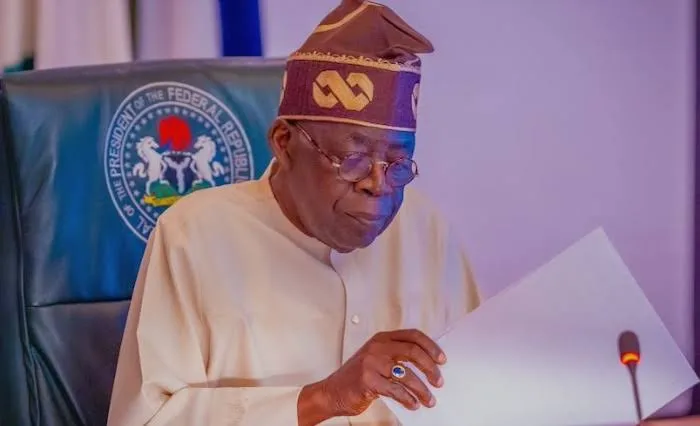
President Bola Tinubu is willing to grant more interviews to Nigerian journalists, his Special Adviser on Media and Policy Communications, Daniel Bwala, has said, acknowledging the need for greater engagement between the President and local media organisations.
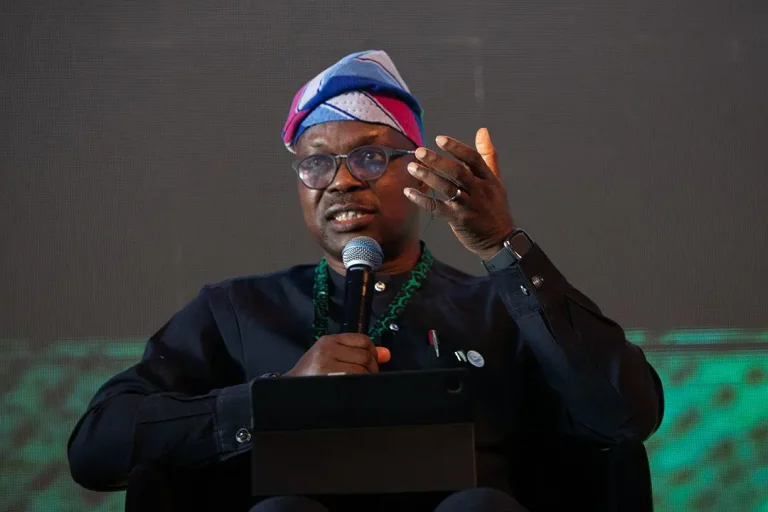
Bwala made the disclosure during an interview on the Niger Unfiltered podcast published on Thursday, following questions about the President’s limited media engagements with Nigerian journalists since assuming office.
Asked whether it was acceptable that Tinubu had granted only one official interview to Nigerian media organisations in about three years and seven months in office, the presidential aide admitted that more needed to be done.
“I expect us to do more. And the second time, you’ll see more of that,” he said.
Bwala disclosed that there had been several occasions when the President agreed to grant interviews but eventually postponed them.
“There are a number of times in which the President called for media. At the 11th hour, he may have been advised, and then he would apologise and say some other time,” he explained.
He maintained that Tinubu was willing to engage with journalists and did not require prepared answers or special briefings before granting interviews.
“There is a willingness to grant interviews on the part of the President. And the President, when granting interviews, didn’t need to read anything, didn’t need to be briefed,” Bwala added.
The presidential spokesman, however, defended the administration’s media engagement strategy, arguing that the changing media landscape had created additional opportunities for the Presidency to communicate with Nigerians.
According to him, journalists covering the State House, including representatives of mainstream, print, broadcast and social media organisations, provide regular coverage of the President’s activities.
Bwala also insisted that the Presidency had the right to determine which journalists and media organisations it granted interviews to, rather than yielding to external pressure over its media engagements.
“We control our narrative. We decide who we grant interviews to. Nobody can come and tell us, grant to this one and not the other one,” he said.
He further criticised some media practitioners for what he described as unprofessional conduct and political bias, arguing that the President should engage journalists capable of conducting balanced interviews.
Controversy Over Tinubu’s Interview With US Media Personality
Bwala’s comments come amid criticism following Tinubu’s recent interview with American political strategist and media personality, Diana London, at the Presidential Villa in Abuja.
London met with the President on November 17, with photographs of the encounter showing her alongside Tinubu and his Chief of Staff, Femi Gbajabiamila.
The interview was subsequently announced by Imran Muhammad, Senior Special Assistant on New Media to the APC National Chairman, Professor Nentawe Yilwatda, who said it would be released soon.
The development generated reactions from Nigerians, particularly journalists and political commentators, who questioned why the President had granted an interview to an American media personality while Nigerian journalists had repeatedly sought similar opportunities.
The controversy was further heightened by reports linking London to a reported $4.5 million lobbying arrangement involving a United States-based firm engaged by the Nigerian government.
London, however, denied receiving the money from the Federal Government or any individual in Nigeria, maintaining that she visited the country to interview Tinubu for a documentary.
Former Vice-President Atiku Abubakar also challenged the President to grant a live interview to Nigerian journalists and demanded the release of the full, unedited recording of his conversation with London.
Atiku questioned whether the engagement was connected to the reported lobbying arrangement.
Responding to the concerns, Bwala maintained that the Presidency had the authority to determine its media engagements but acknowledged that more opportunities should be created for Nigerian journalists to question the President directly.
His comments have renewed attention on the relationship between the Presidency and the Nigerian media, particularly concerns about transparency, accountability and access to the country’s highest political office.