Now Reading: Man City Owners Should Be Forced to Sell Club, Rival Executives Demand
-
01
Man City Owners Should Be Forced to Sell Club, Rival Executives Demand

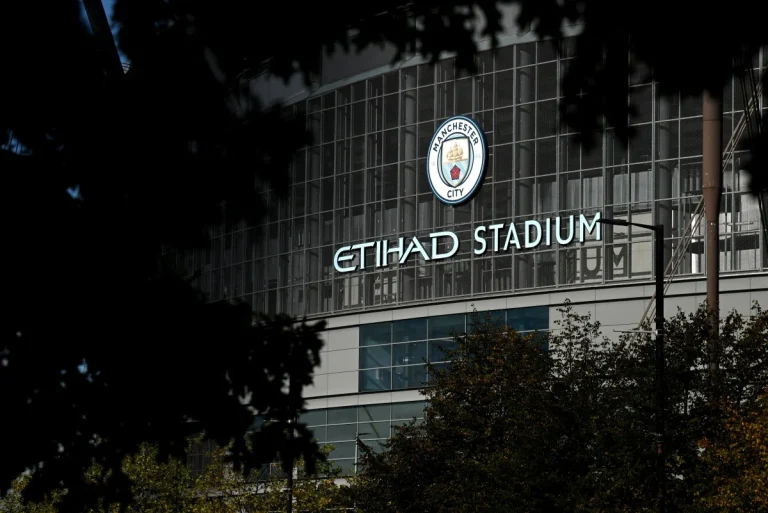
Senior executives from three Premier League clubs have called for Manchester City’s owners to be forced to sell the club if the English champions are to face punishment for alleged financial breaches.
The executives believe that anything short of an ownership change would fail to reflect the seriousness of the charges against City and the club’s alleged lack of cooperation with the Premier League’s investigation, BBC Sport reported on Friday.
One rival club executive reportedly argued that the punishment would have little meaning unless City’s current owners were also required to leave. The executive added that a lesser sanction would raise questions about why clubs were contributing financially to the establishment of an independent football regulator.
Another executive said the controversy had damaged the Premier League’s credibility and warned that clubs would find it difficult to move forward if City’s owners remained in control.
The calls have increased pressure on the Independent Football Regulator (IFR), which has powers to investigate club ownership and, in serious cases, require owners to relinquish control if they fail to meet standards of honesty, integrity and financial soundness.
Manchester City, owned by Abu Dhabi United Group, an investment company belonging to UAE Vice-President Sheikh Mansour, have consistently denied wrongdoing and challenged the commission’s findings. An independent commission found the club guilty of breaching Premier League financial regulations between 2009 and 2018, including allegations involving inflated revenues and concealed losses through commercial arrangements.
The final punishment has yet to be determined. Possible sanctions include a financial penalty, points deduction, removal of previous titles or expulsion from the Premier League.
IFR chairman David Kogan has said the regulator would carry out its statutory responsibilities regardless of the size or influence of any club involved. Appearing before a parliamentary committee, he said: “Forget the name of the club, forget the size of the club, forget the scale of the issue. We cannot simply ignore our statutory duties in relation to a club because it happens to be of a certain size.”
Kogan added that the regulator would take appropriate action where circumstances required it, stressing that failing to act would undermine the purpose of having an independent football regulator.
Under Section 34 of the Football Governance Act, the IFR can assess whether a club owner meets the required suitability standards. Where an owner fails the assessment, the regulator can direct them to take reasonable steps to relinquish ownership within a specified period before issuing an ownership removal order.
The potential cost of legal action has also emerged as an issue. IFR chief executive Richard Monks told MPs that a £2m litigation reserve would be built over two years through contributions from Premier League clubs. He said the government had agreed to provide additional financial support if a major legal case required funding beyond the reserve.
Monks explained that the regulator would seek to recover its legal costs if successful, but an unsuccessful major case could ultimately increase the levy paid by clubs.
The dispute has also prompted concerns about its possible implications for relations between the United Kingdom and the United Arab Emirates, particularly given the scale of UAE investment in British projects.
Manchester City have previously criticised the commission’s ruling, describing it as containing “clear material errors, of law, principle and fact and is unsafe.” The club also maintained that a “comprehensive body of irrefutable evidence” supported its position.
City’s ownership remains unchanged as the appeal and regulatory processes continue, while pressure from rival clubs has intensified scrutiny of the regulator’s next steps.