Now Reading: Calabar Lights Up as Gov Otu Opens 20th Anniversary Carnival with Spectacular Christmas Tree Ceremony
-
01
Calabar Lights Up as Gov Otu Opens 20th Anniversary Carnival with Spectacular Christmas Tree Ceremony
Calabar Lights Up as Gov Otu Opens 20th Anniversary Carnival with Spectacular Christmas Tree Ceremony

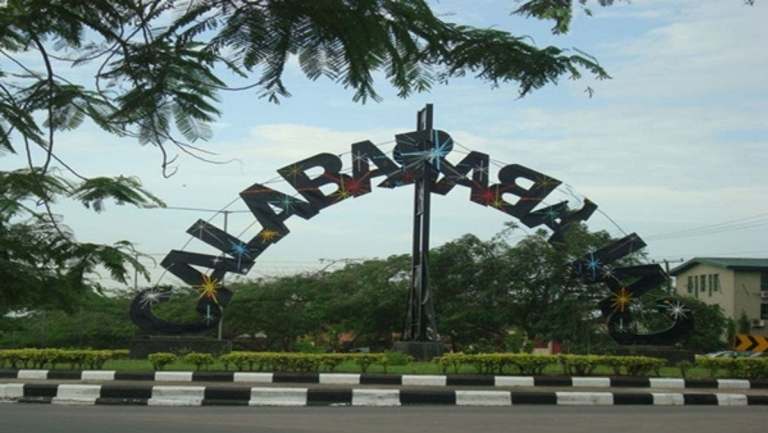
Calabar burst into festival mode on Sunday as Cross River State Governor Bassey Otu lit the city’s giant Christmas tree, officially opening the 20th edition of the world-famous Carnival Calabar and Festival.
The lighting ceremony, held at Millennium Park, drew an extraordinary gathering of political heavyweights, including four former governors — Clement Ebiri, Donald Duke, Liyel Imoke and Ben Ayade — marking a symbolic moment for the state’s cultural powerhouse.
This year’s carnival, one of Africa’s biggest tourism magnets, is expected to attract thousands of visitors from within and outside Nigeria as Calabar celebrates two decades of colour, culture and global acclaim.
Governor Otu assured guests that the 2025 festival would surpass expectations, reiterating his administration’s commitment to strengthening the state’s tourism and entertainment economy.
“My team and I will continue to grow Cross River through human capital development, industrialisation, rural transformation, and tourism,” he said, promising visitors an unforgettable experience.
Tourism expert Joseph Nneji described the 20th anniversary carnival as a landmark celebration that extends beyond the state.
“Twenty years of the Carnival Calabar and Festival is not just a celebration for Cross River State, but for Africa and the world. We invite governments, tourists, creatives, brands and cultural institutions to join us in commemorating two decades of excellence,” he said.
A Festival with Global Footprints
What began as a state-driven initiative to reposition Calabar as a cultural hub has evolved into a world-renowned entertainment spectacle, attracting millions of physical and digital viewers over the years.
The carnival’s evolution — from community dance troupes and masquerades to global music concerts, bikers’ parades, beauty pageants, themed street bands like Seagull, Passion 4, Bayside and Freedom, and a growing roster of international performers — has solidified its place as Africa’s biggest street party.
From Brazil to Colombia, Germany to South Africa, the event’s global reach continues to expand.
A Bigger Stage for the 20th Edition
The anniversary edition will feature performers from at least 10 countries, renewed cultural showcases, and a spotlight on Nigeria’s creative industries. The state government is also using the platform to relaunch Calabar as West Africa’s tourism capital, with an investment summit designed to create jobs, support local businesses and attract investors.
Two Decades of Impact
Over 20 years, the Carnival Calabar and Festival has created jobs, nurtured new talent and strengthened the state’s cultural identity. This year’s celebration aims not only to honour its past but to chart a bold path for the next two decades — with Calabar positioning itself as the undisputed cultural capital of Africa.