Now Reading: Canada Seeks China Reset as Carney Patches Rift Amid Tense US Relations
-
01
Canada Seeks China Reset as Carney Patches Rift Amid Tense US Relations

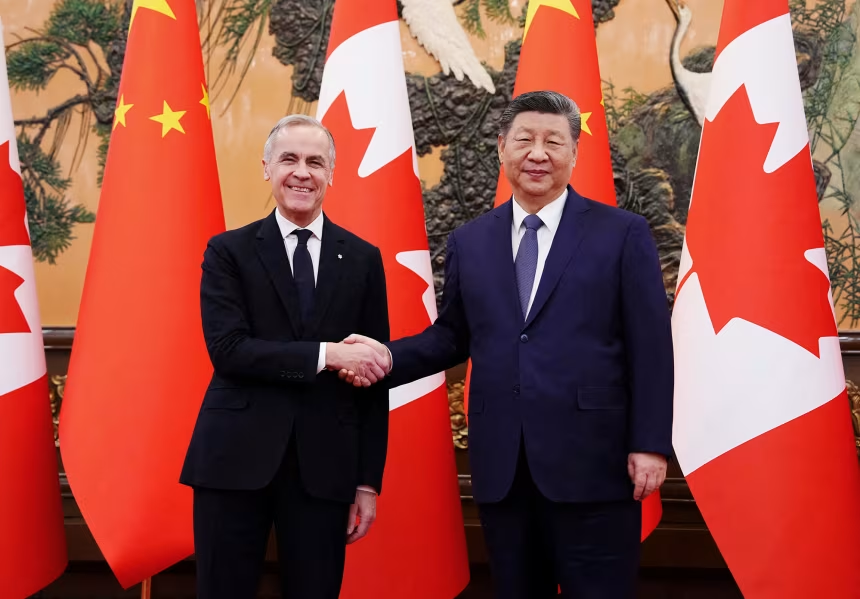
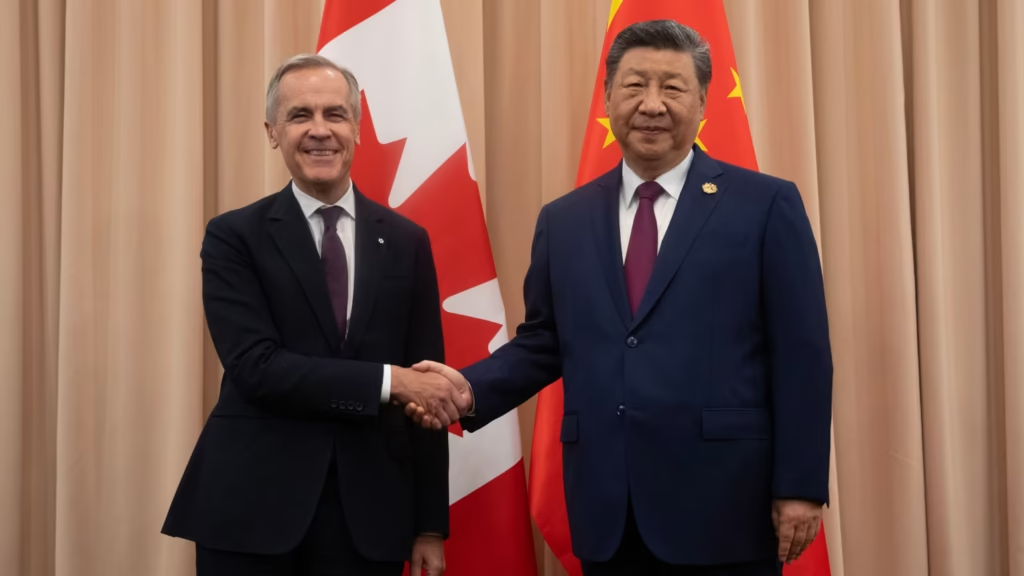
Canadian Prime Minister Mark Carney has taken a decisive step to reset relations with China, declaring a “new strategic partnership” with Chinese leader Xi Jinping during talks in Beijing. The move comes as Canada navigates historic friction with the United States under former President Donald Trump.
Canada announced plans to ease tariffs on Chinese electric vehicles (EVs) while anticipating significant reductions on Chinese barriers to Canadian canola seed later this year — a major concession aimed at mending long-standing trade tensions.
Carney is the first Canadian prime minister to visit China since 2017, following years of strained relations triggered by Canada’s arrest of a Huawei executive at US request and China’s subsequent imprisonment of two Canadian citizens.
A Strategic Pivot Amid US Strain
The visit underscores Ottawa’s new objective: strengthening ties with its second-largest trading partner as relations with the US have frayed. Trump’s administration previously imposed sweeping tariffs on Canadian goods and publicly criticized Canada, even joking about turning it into the 51st US state.
Speaking at Beijing’s Great Hall of the People, Carney described the renewed partnership as a way to “build on the best of what this relationship has been in the past to create a new one adapted to new global realities.” He highlighted opportunities in agriculture and energy, adding that the deepening ties could “help improve” the strained multilateral system.
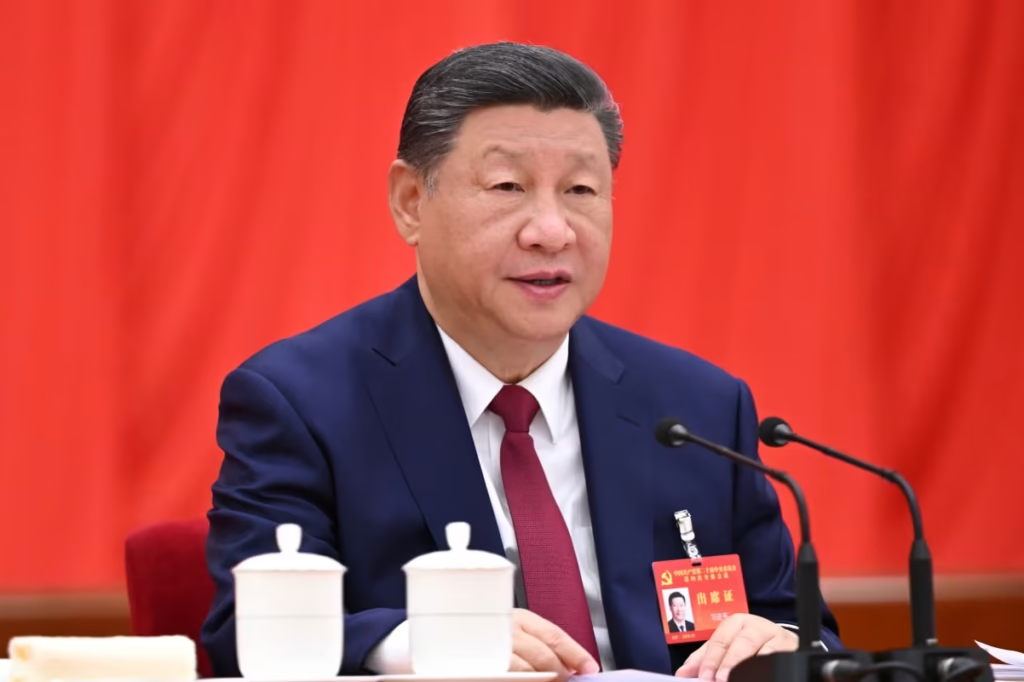
Xi echoed the sentiment, calling for “a new type of strategic partnership between China and Canada,” signaling Beijing’s interest in driving wedges between the US and its allies.
Trade Deals and Economic Gains
Joint statements following the meeting detailed concrete trade actions. Canada will allow up to 49,000 Chinese EVs into its market at a most-favored-nation tariff of 6.1%, rolling back a previous 100% tariff imposed alongside the US in 2024. Ottawa expects the move to attract substantial Chinese investment in Canada’s auto sector.
China is also expected to reduce tariffs on Canadian canola seed from roughly 85% to around 15% by March 1, restoring a $4 billion market. Other exports, including lobsters and peas, will also benefit from tariff relief, easing pressure on Canadian farmers who were hit by retaliatory duties last year.
Carney and Xi also discussed increasing two-way investment in clean energy, technology, agri-food, and wood products, aiming to boost Canadian exports to China by 50% by 2030.
A Broader Global Strategy
As Canada’s relationship with the US faces ongoing uncertainty, Carney has sought to diversify partnerships with Europe, India, and now China. Analysts say the pivot could secure Canadian trade interests while positioning Ottawa as an independent actor on the global stage.
Canada’s strategic reset with China marks a historic shift, balancing economic opportunity with geopolitical caution as tensions with the US continue to reshape North America’s trade and diplomatic landscape.