Now Reading: Cancer-Causing Sperm Donor Fathered Nearly 200 Children Across Europe, Investigation Reveals
-
01
Cancer-Causing Sperm Donor Fathered Nearly 200 Children Across Europe, Investigation Reveals
Cancer-Causing Sperm Donor Fathered Nearly 200 Children Across Europe, Investigation Reveals

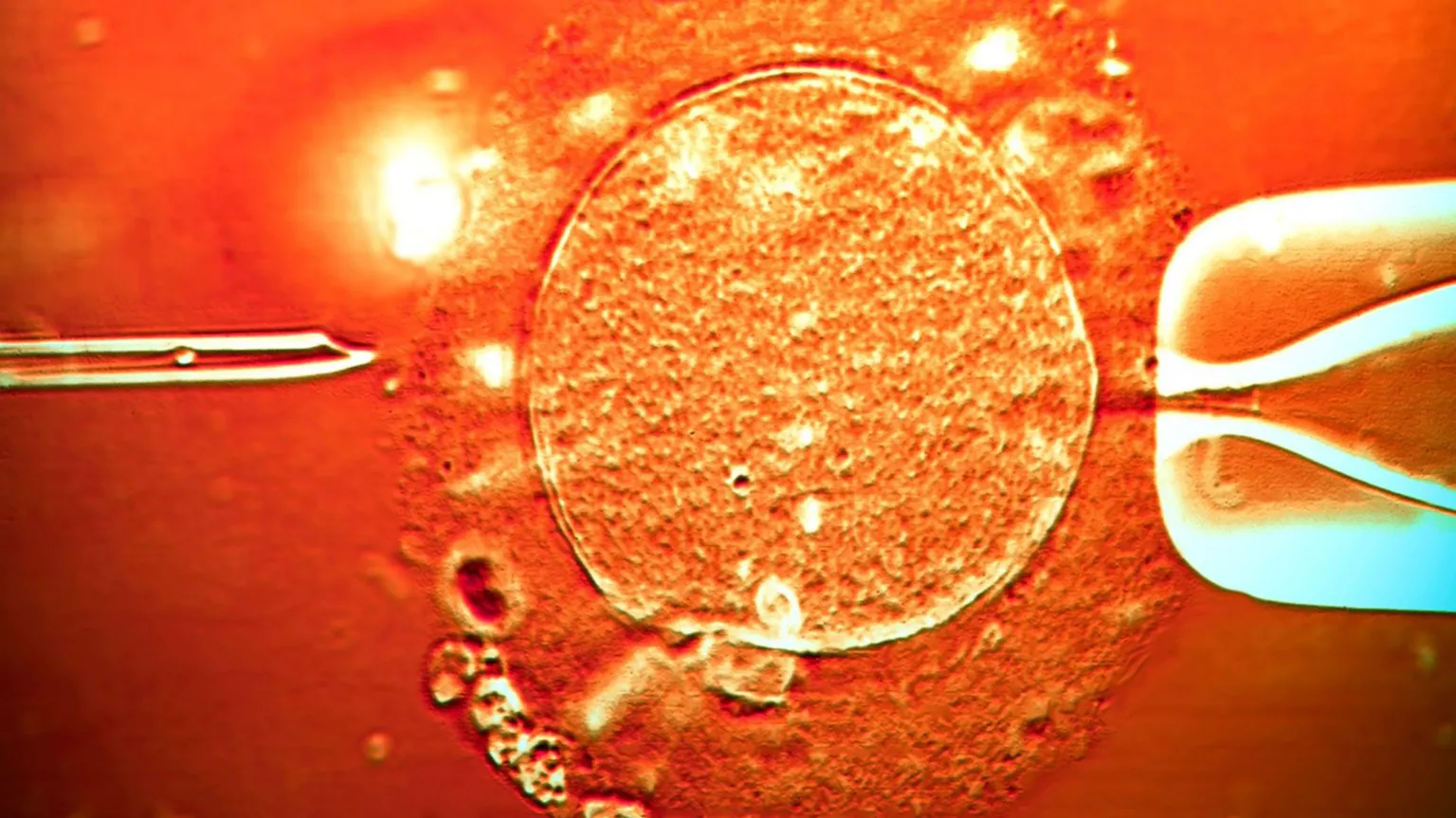
A sperm donor carrying a genetic mutation linked to a dramatically increased risk of cancer has fathered at least 197 children across Europe, a major investigation by 14 public service broadcasters, including the BBC, has uncovered.
The donor, who remained healthy and passed standard screening checks, carried a mutation in the TP53 gene, which plays a critical role in preventing cells from turning cancerous. While most of his body is unaffected, up to 20% of his sperm contains the mutation, meaning any children conceived from affected sperm inherit the variant in every cell of their body. This condition, known as Li Fraumeni syndrome, can give children up to a 90% lifetime risk of developing cancers, including breast, bone, brain cancers, and childhood leukemia.
The European Sperm Bank, based in Denmark, sold the donor’s sperm to families in multiple countries over a 17-year period. While the sperm was not widely distributed to UK clinics, a small number of British families were reportedly affected after receiving sperm through fertility treatment in Denmark. The bank confirmed it had “immediately blocked” the donor once the mutation was discovered and expressed “deepest sympathy” to affected families, acknowledging the sperm had been used to produce “too many babies” in some countries.
Some children have already been diagnosed with cancer, and a few have died. Doctors have reported multiple cases where children conceived from the donor’s sperm have developed one or more cancers at very early ages. Screening and long-term monitoring, including MRI scans, abdominal ultrasounds, and preventative surgeries, are required for those carrying the mutation.
Dr Edwige Kasper, a cancer geneticist at Rouen University Hospital in France, said families face a lifelong burden. “We have some children that have developed already two different cancers and some of them have already died at a very early age,” she said.
Families affected by the donor’s mutation have expressed shock and anguish, but many do not blame the donor himself. One mother from France, who requested anonymity, described her frustration at being given sperm that “wasn’t clean, that wasn’t safe, that carried a risk,” acknowledging the ongoing fear of cancer for her child.