Now Reading: China Steps In as Middle East Peacemaker Amid Iran War: Can Xi Succeed Where Others Haven’t?
-
01
China Steps In as Middle East Peacemaker Amid Iran War: Can Xi Succeed Where Others Haven’t?
China Steps In as Middle East Peacemaker Amid Iran War: Can Xi Succeed Where Others Haven’t?

Beijing and Islamabad push for ceasefire as energy crisis worsens
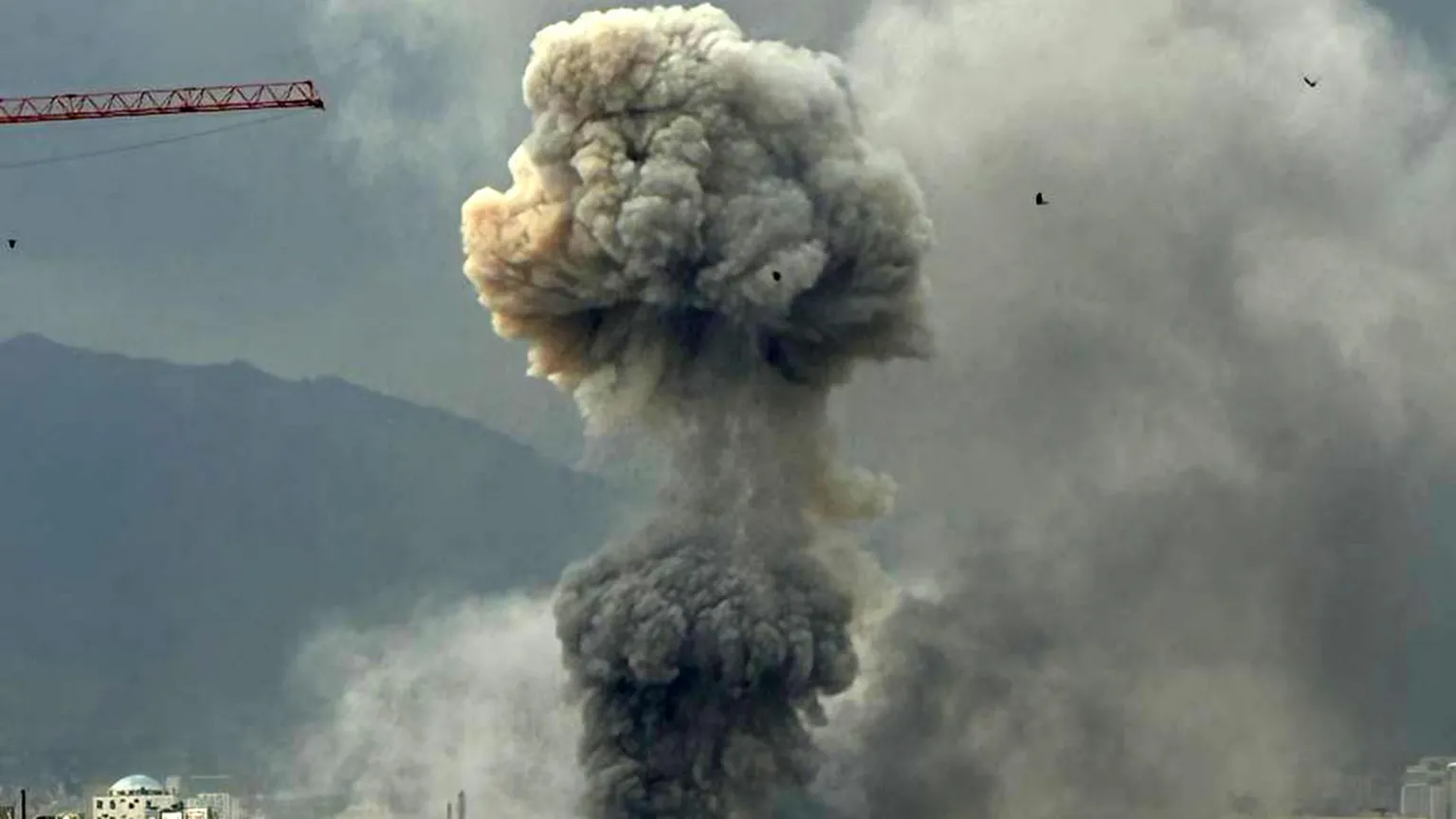
As the US-Israel-Iran conflict enters its second month, China has emerged as a major diplomatic player, seeking to mediate peace and prevent further disruption to global energy markets.
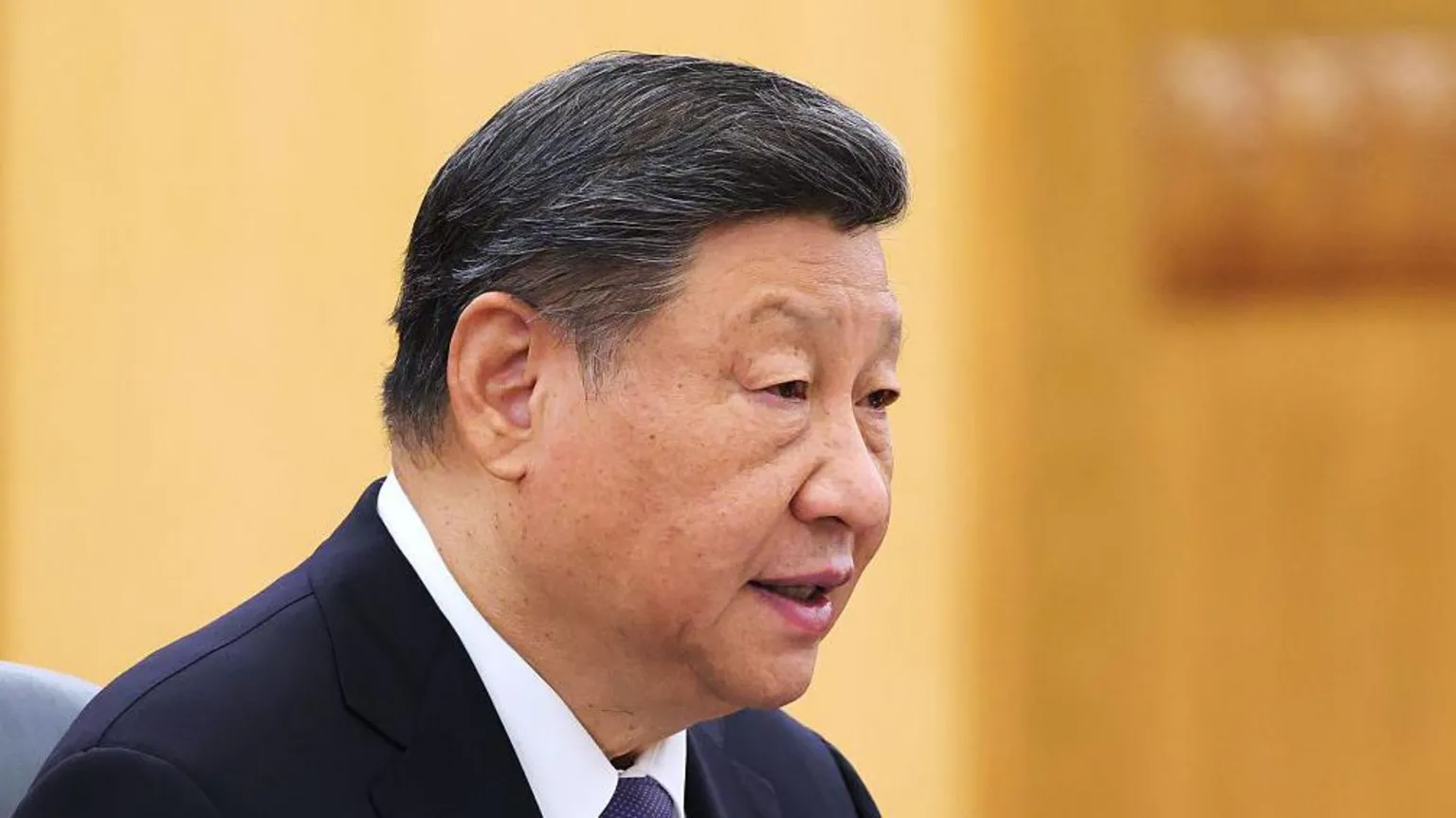
President Xi Jinping is coordinating with Pakistan, which has taken the lead in presenting a five-point peace plan aimed at halting hostilities and reopening the Strait of Hormuz, a critical oil shipping lane. Chinese support provides both political weight and legitimacy to Pakistan’s initiative, signaling Beijing’s growing ambition to influence Middle East stability.
“Morally, politically and diplomatically, China is providing comprehensive support with the hope that Pakistan can play a more distinctive role,” says Zhu Yongbiao, Middle East expert at Lanzhou University.
Economic stakes drive China’s diplomacy
Beyond geopolitics, China’s global economic interests are at risk. The war has sent oil prices soaring, threatening the stability of global supply chains and potentially slowing China’s export-driven economy. From synthetic fabrics to semiconductors, rising energy costs could ripple through China’s manufacturing sector.
“If the rest of the world slows down economically because of an energy shock, that’s going to be tough for China’s factories and exporters,” notes Matt Pottinger, Chairman of the Foundation for Defense of Democracy’s China Program.
China, the world’s largest oil importer, also has decades-long ties with Iran, buying about 80% of its crude, while maintaining relations with Gulf rivals like Saudi Arabia and the UAE. This network positions Beijing as a credible, if cautious, mediator.
A history of limited but strategic mediation
China has previously played a stabilizing role in the region. In 2023, Beijing helped broker renewed diplomatic relations between Saudi Arabia and Iran, and hosted unity talks among Palestinian factions, resulting in a nascent West Bank-Gaza governance agreement.
Despite its influence, China lacks the military presence to enforce agreements. Its Djibouti base, built in 2017, is primarily logistical rather than strategic for conflict intervention. Unlike the US, which maintains bases across the Gulf, China relies on economic leverage and diplomacy to assert influence.
Caveats to China’s peace ambitions
China’s global credibility as a neutral peace broker faces scrutiny. Its alignment with Russia, domestic crackdown on Hong Kong, and aggressive stance toward Taiwan raise questions about its impartiality. Furthermore, Beijing traditionally avoids criticizing human rights abuses, limiting its moral authority on the world stage.
Still, for Xi Jinping, stabilizing the Middle East is not just humanitarian—it’s strategic. Peace in the region preserves energy flows, protects global trade, and enhances China’s stature as a pragmatic power capable of shaping international outcomes.
The US and Iran have yet to formally respond, but Beijing’s push positions it as a key actor capable of influencing the trajectory of the conflict and asserting soft power on a global stage.