Now Reading: DC National Guard Shooting Suspect Lived in Isolation for Weeks, Case Worker Warned Before Attack
-
01
DC National Guard Shooting Suspect Lived in Isolation for Weeks, Case Worker Warned Before Attack
DC National Guard Shooting Suspect Lived in Isolation for Weeks, Case Worker Warned Before Attack


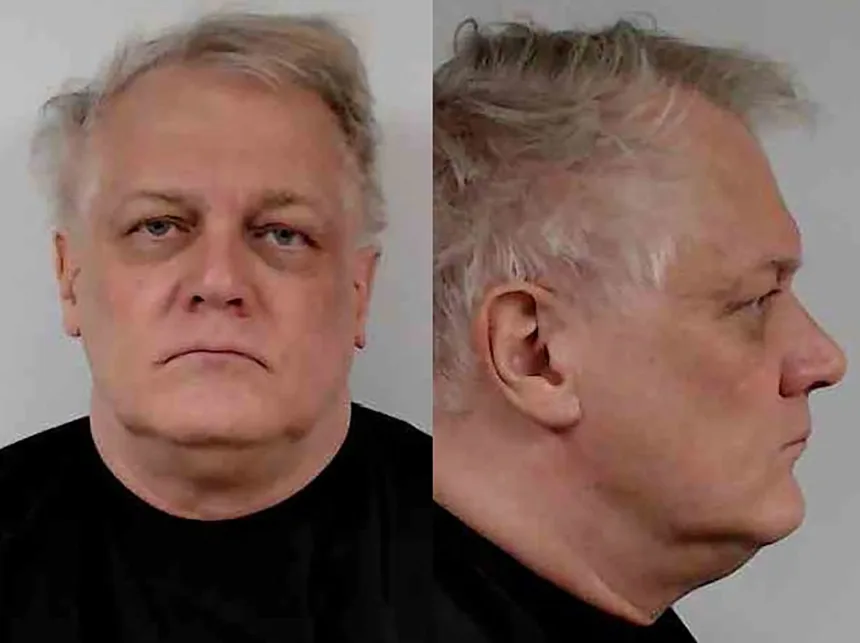
A troubling portrait is emerging of Rahmanullah Lakanwal, the Afghan asylum seeker accused of killing a US National Guard member and injuring another in what officials describe as an “ambush” in Washington DC.
The 29-year-old, who entered the United States in 2021 under a programme for Afghans who worked with American forces, allegedly shot and killed 20-year-old Sarah Beckstrom and seriously wounded 24-year-old Andrew Wolf. He remains in hospital under guard and faces murder charges.
Internal emails written early last year by a case worker assisting the family paint a picture of a man struggling with severe, untreated mental health issues.
According to correspondence obtained by CBS News, the case worker warned that Lakanwal often spent “weeks on end” alone in a dark bedroom, avoiding his wife and children and experiencing frequent “manic episodes” during which he would disappear in the family car.
The family, who had resettled in Washington state, reportedly faced eviction while Lakanwal remained unemployed for more than a year. “I think the father has mental health issues that are not addressed, and he won’t talk to anyone,” one email said.
Lakanwal served in an elite “Zero Unit” — an Afghan paramilitary group that operated alongside the CIA — before fleeing the country during the chaotic US withdrawal in 2021. His asylum request, filed in 2024, was approved earlier this year.
A childhood friend told The New York Times he had suffered psychological trauma linked to his service. CIA officials have confirmed he previously worked with the agency.
US Homeland Security Secretary Kristi Noem said authorities believe Lakanwal was “radicalised since he’s been here,” allegedly through connections in his local community. She provided no further detail.
The attack has triggered immediate political consequences. President Donald Trump vowed to “permanently pause migration from all third world countries” and ordered a nationwide halt on asylum decisions “until we can ensure that every alien is vetted and screened to the maximum degree possible,” according to US Citizenship and Immigration Services.
Trump later told reporters he expected the restrictions to remain “for a long time”.
Authorities have not disclosed a motive for the shooting, but the emails, interviews, and statements emerging in the aftermath suggest a complicated mix of mental health struggles, isolation, and a past shaped by conflict.
The FBI continues to investigate the attack that left one National Guard member dead and another fighting for his life.