Now Reading: Death of Iran’s Security Chief Ali Larijani Deepens Leadership Crisis Amid US-Israel Strikes
-
01
Death of Iran’s Security Chief Ali Larijani Deepens Leadership Crisis Amid US-Israel Strikes
Death of Iran’s Security Chief Ali Larijani Deepens Leadership Crisis Amid US-Israel Strikes

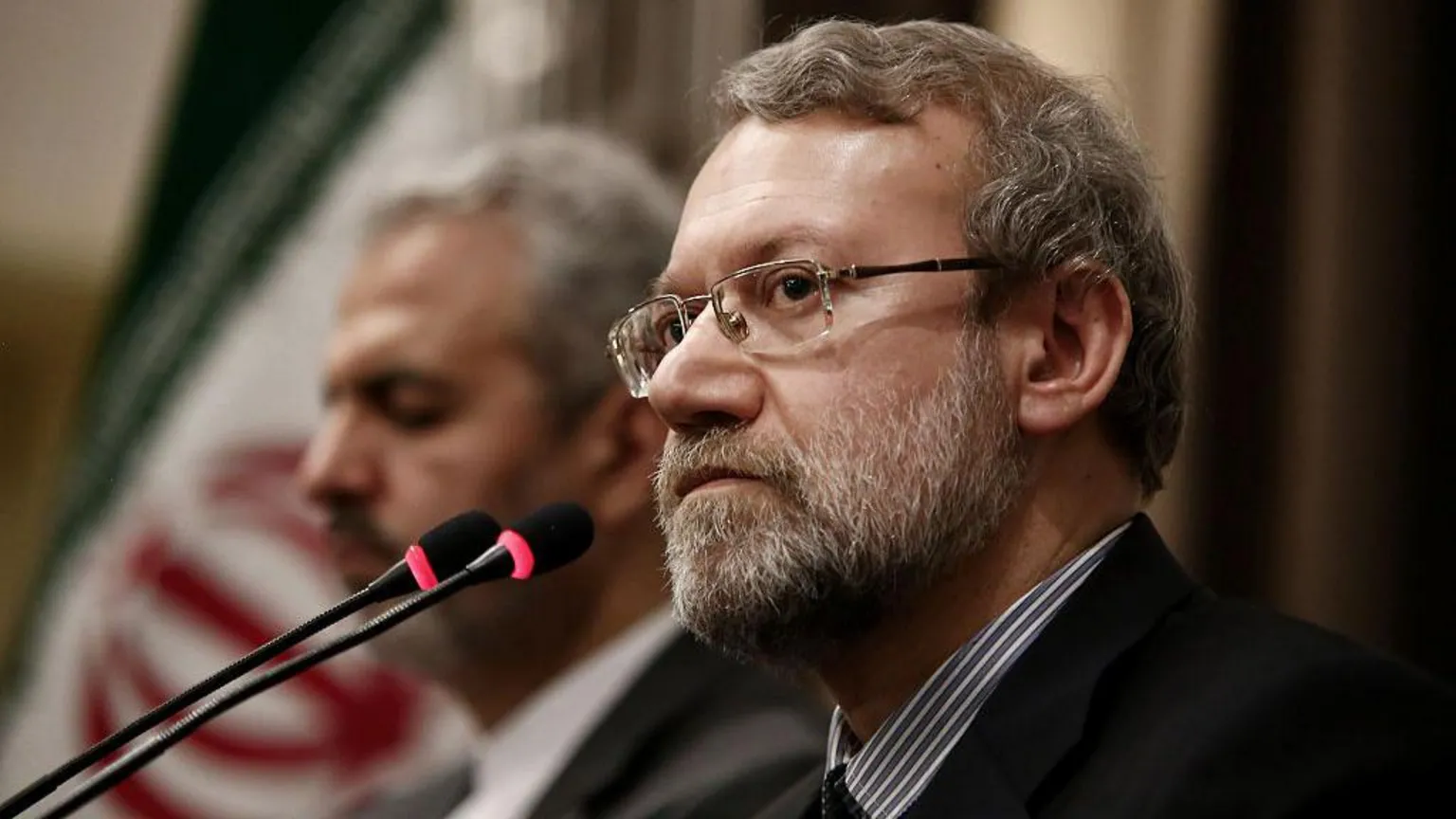
The killing of Ali Larijani in an Israeli air strike has removed one of Iran’s most experienced and influential policymakers at a critical juncture for the Islamic Republic. Larijani, who served as secretary of the Supreme National Security Council, was central to shaping Iran’s strategic decisions on war, diplomacy, and national security.
Although not a military commander, Larijani’s influence extended across Iran’s leadership, particularly in managing tensions with the United States and Israel. Following the death of former Supreme Leader Ali Khamenei on February 28, Larijani adopted a defiant stance, signalling readiness for a prolonged conflict.
State media confirmed Larijani’s death as part of a pattern of targeted strikes that have killed multiple senior Iranian officials and commanders in recent weeks, suggesting a concerted effort to destabilize the country’s leadership.
“Larijani combined ideological loyalty with a technocratic approach, favouring calculated strategy over rhetoric,” analysts note. He was involved in diplomatic efforts, including Iran’s long-term cooperation agreement with China, despite his hardline stance toward Western powers.
At the time of his death, Larijani was managing three major crises:
- The ongoing war, advocating preparation for a prolonged struggle and potential regional escalation, including threats to close the Strait of Hormuz.
- Widespread domestic unrest, originating from economic grievances and evolving into protests against the government, met with violent crackdowns.
- Iran’s nuclear programme and stalled indirect negotiations with Washington, disrupted by military strikes.
Larijani’s removal leaves these crises unresolved, with an unknown successor facing extreme volatility. Observers warn that power could shift further to the military, as President Masoud Pezeshkian has reportedly given armed forces broad authority to act if senior officials are incapacitated. This could accelerate decision-making but reduce central coordination.
Iranian army chief Amir Hatami has vowed “decisive” retaliation for Larijani’s death. Analysts predict that continued loss of senior leaders may hinder Iran’s ability to govern effectively, with repercussions for both the war and domestic stability in a nation of over 90 million people.
Larijani’s death is more than the loss of a single official; it marks a turning point in a deepening leadership crisis that could shape Iran’s strategic direction, military posture, and political stability in the months ahead.