Now Reading: ‘El Mencho’ Laid to Rest in Golden Casket Amid Heavy Security in Guadalajara
-
01
‘El Mencho’ Laid to Rest in Golden Casket Amid Heavy Security in Guadalajara
‘El Mencho’ Laid to Rest in Golden Casket Amid Heavy Security in Guadalajara

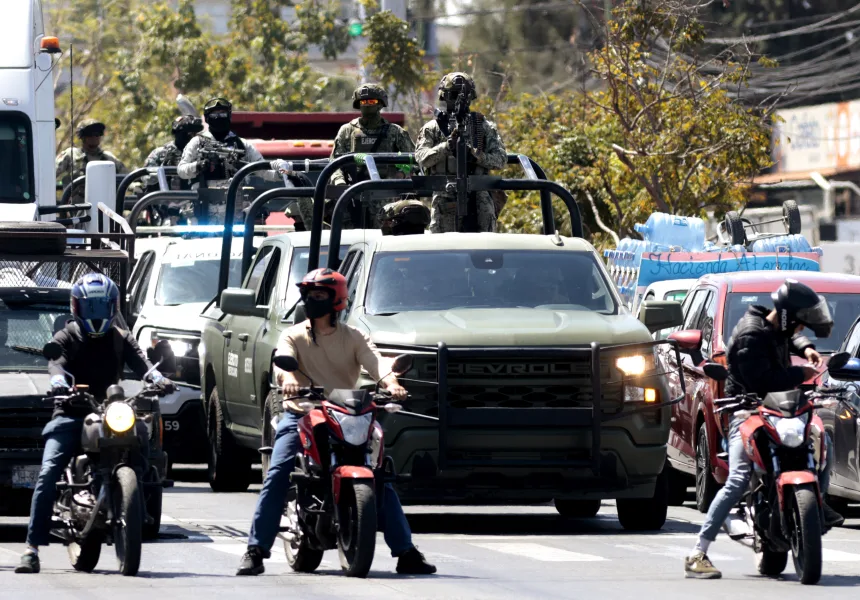
Jalisco cartel leader buried after military operation sparks wave of violence across Mexico
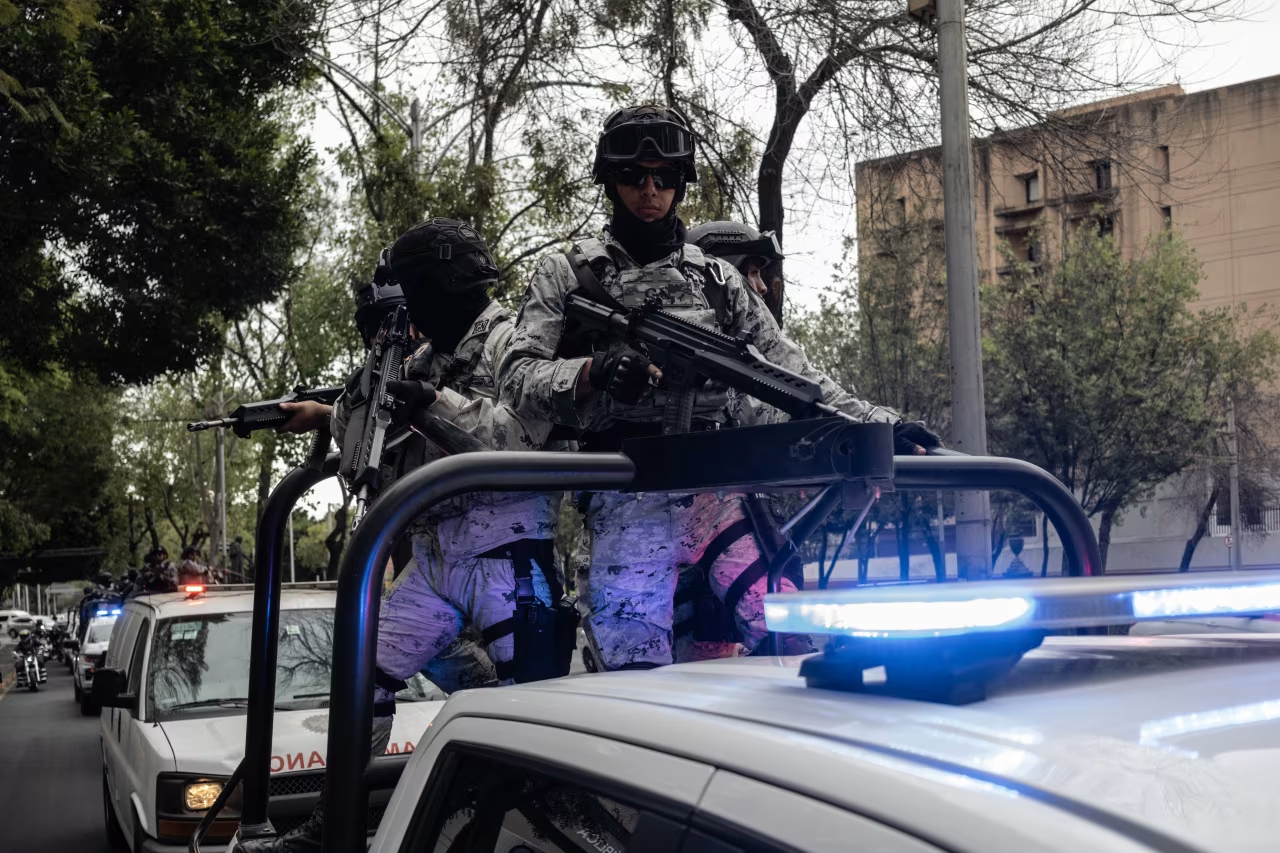
Nemesio Oseguera Cervantes, alias “El Mencho,” head of the feared Jalisco New Generation Cartel, was buried Monday in a golden casket at a cemetery in Zapopan, a suburb of Guadalajara, Mexico. The funeral drew dozens of mourners, large floral tributes, and a substantial military presence.
A federal official confirmed the burial to the Associated Press but requested anonymity, while the Attorney General’s Office declined to disclose the location citing “security reasons.”
Military Operation Ends Cartel Leader’s Life
Oseguera Cervantes was killed by Mexican forces just over a week ago during an operation in Tapalpa, Jalisco. He died from multiple gunshot wounds to the chest, abdomen, and legs, according to his death certificate. Two of his bodyguards were also killed.
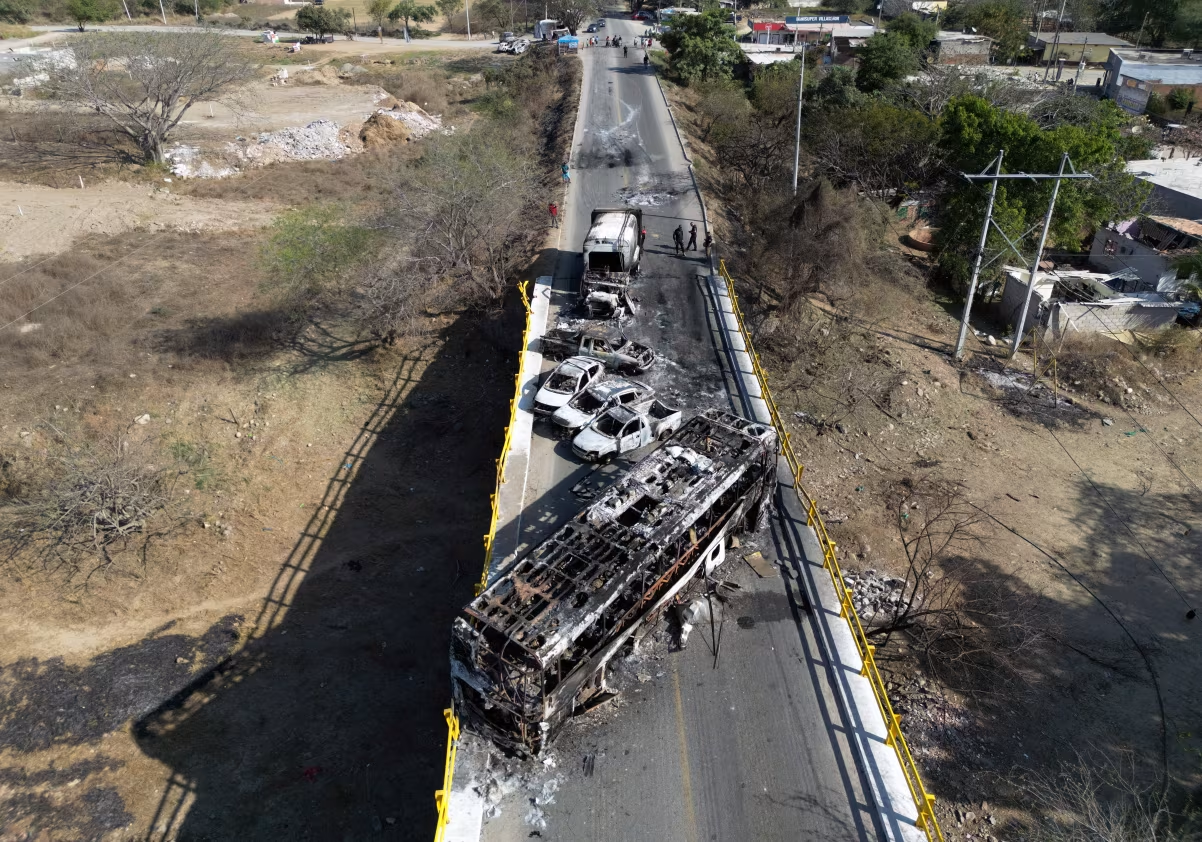
The operation set off waves of retaliatory violence in about 20 states, with authorities reporting more than 70 fatalities in the aftermath. Security forces continue operations targeting high-ranking cartel members.
Funeral Shrouded in Secrecy
Dozens of attendees followed the hearse under black umbrellas on a sunny day, accompanied by a band playing traditional Mexican banda music. Large wreaths arrived at the funeral home, some decorated with a rooster — a symbol associated with the cartel leader, sometimes called the “Lord of the Roosters.”
The body was transported to Mexico City for autopsy before being released to his family. Mexican authorities maintain tight security around the burial site to prevent disturbances or exploitation by cartel affiliates.
Cartel Funerals and Legacy
Burials of Mexican drug lords are often shrouded in mystery, contributing to a cult-like aura around them. Within hours of his death, “narcocorridos” — musical ballads celebrating or recounting cartel activities — were already circulating.
Guadalajara and neighboring states have a history of luxury crypts for cartel figures. El Mencho’s death adds to a long list of high-profile cartel leaders whose violent deaths have shaped Mexico’s criminal landscape, including Nazario Moreno, Heriberto Lazcano, and Amado Carrillo Fuentes.
The funeral underscores both the influence of Mexico’s cartels and the challenges authorities face in dismantling entrenched organized crime networks.