Now Reading: El-Rufai Defends Silence on ICPC Probe, Says He Will Speak Only in Court
-
01
El-Rufai Defends Silence on ICPC Probe, Says He Will Speak Only in Court
El-Rufai Defends Silence on ICPC Probe, Says He Will Speak Only in Court

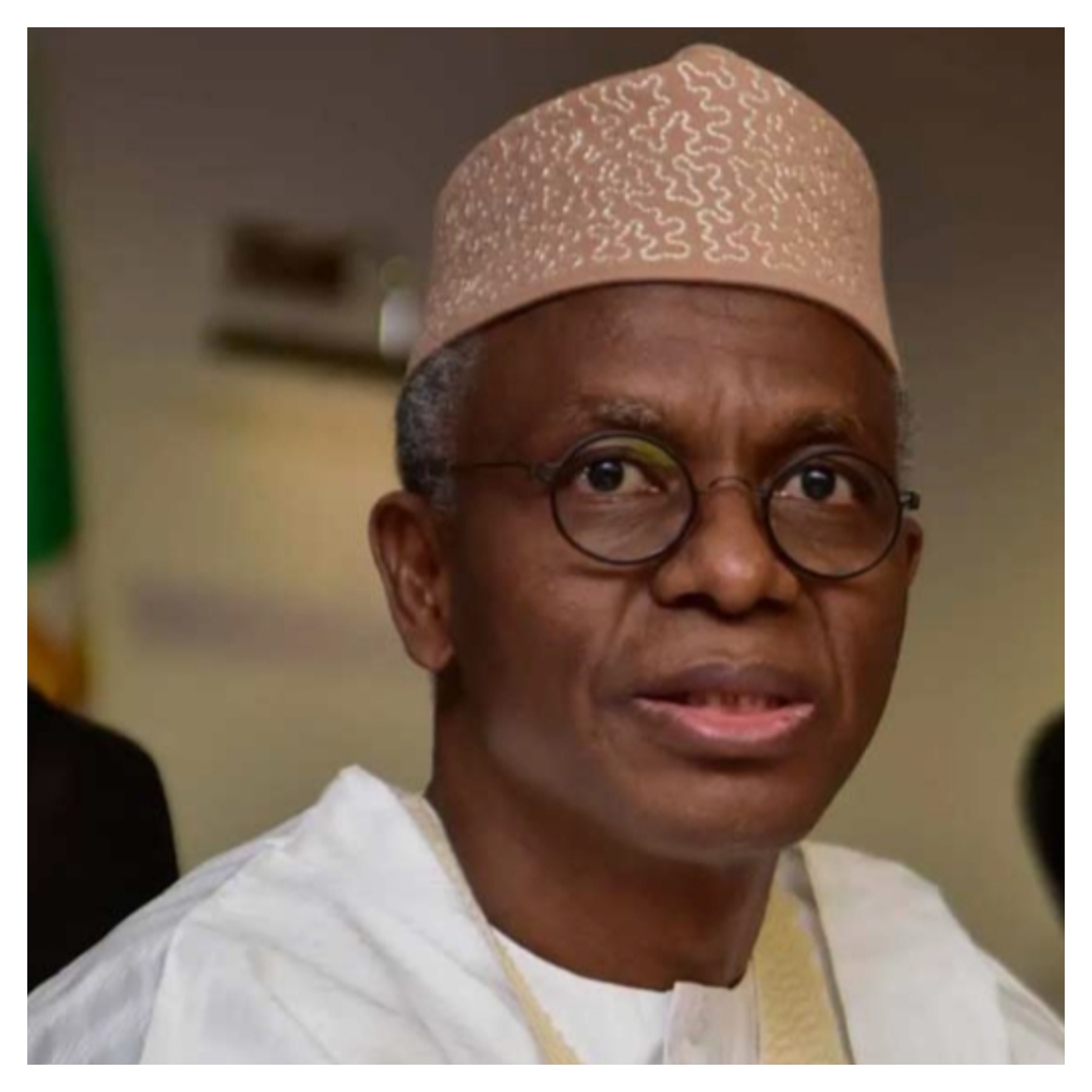
Former Nasir Ahmad El-Rufai has explained why he declined to answer questions from the Independent Corrupt Practices Commission (ICPC), describing his silence as a constitutional right rather than defiance.
El-Rufai, currently under investigation by the anti-graft agency, submitted two handwritten statements to ICPC officers on February 19 and 20, 2026, under caution and in the presence of his lawyer, Ubong E. Akpan.
Former Governor Alleges Political Motivation
In the statements, El-Rufai maintained that the probe is politically motivated, citing his position as a leading member of the African Democratic Congress (ADC), which he described as “the only surviving opposition party in Nigeria.”
“I will respond to any allegations in a court of law only,” El-Rufai wrote in his February 19 statement, arguing that after nearly two years of investigations, the ICPC should present its findings before a judicial tribunal rather than continuing to question him.
He added: “I do not believe these investigations amount to lawful entitlement, as in political persecution, which only a judge can decide upon.”
Right to Silence Reaffirmed
A follow-up statement on February 20, 2026, reiterated his position after ICPC investigators presented additional documents.
“I reserve my constitutional right to silence to all the documents and further questions. I will respond to these documents and questions only when presented in a Court of Law,” he stated.
El-Rufai highlighted his career spanning public service, including roles as Director-General of the Bureau of Public Enterprises (1999–2003), Minister of the Federal Capital Territory (2003–2007), and twice-elected Governor of Kaduna State (2015–2023). He also noted his retirement and residence in Egypt with his family.
ICPC Remand Order
Earlier, the ICPC secured a 14-day remand order from a Chief Magistrate Court in Bwari, set to expire on March 5, 2026.
The former governor’s legal team insists that any further questioning must occur in a court setting, underlining ongoing tensions between Nigeria’s anti-corruption agencies and opposition politicians.