Now Reading: Electronic Transmission of Election Results: ‘If India Can Do It, Nigeria Has No Excuse’ – Peter Obi
-
01
Electronic Transmission of Election Results: ‘If India Can Do It, Nigeria Has No Excuse’ – Peter Obi
Electronic Transmission of Election Results: ‘If India Can Do It, Nigeria Has No Excuse’ – Peter Obi

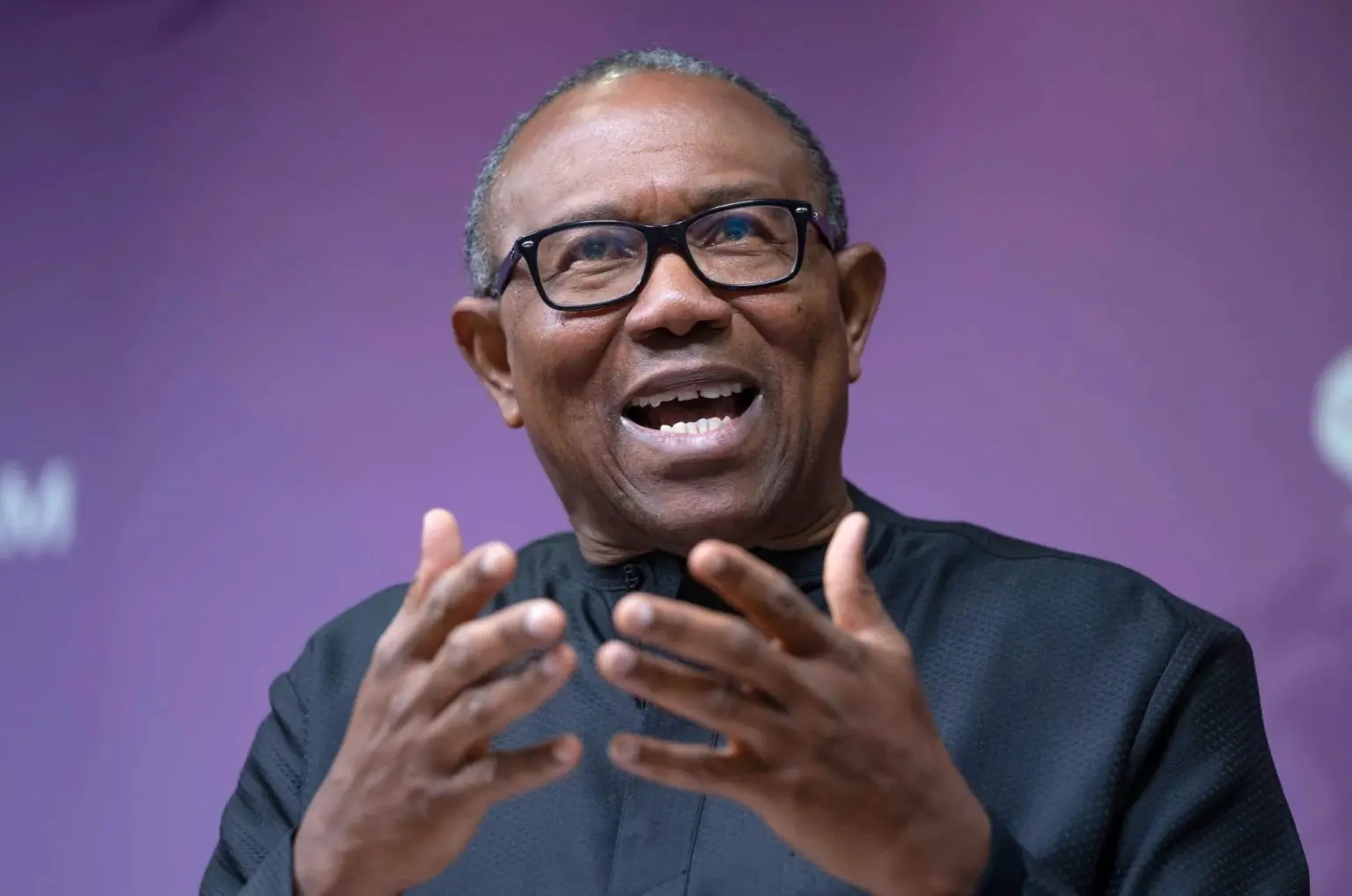
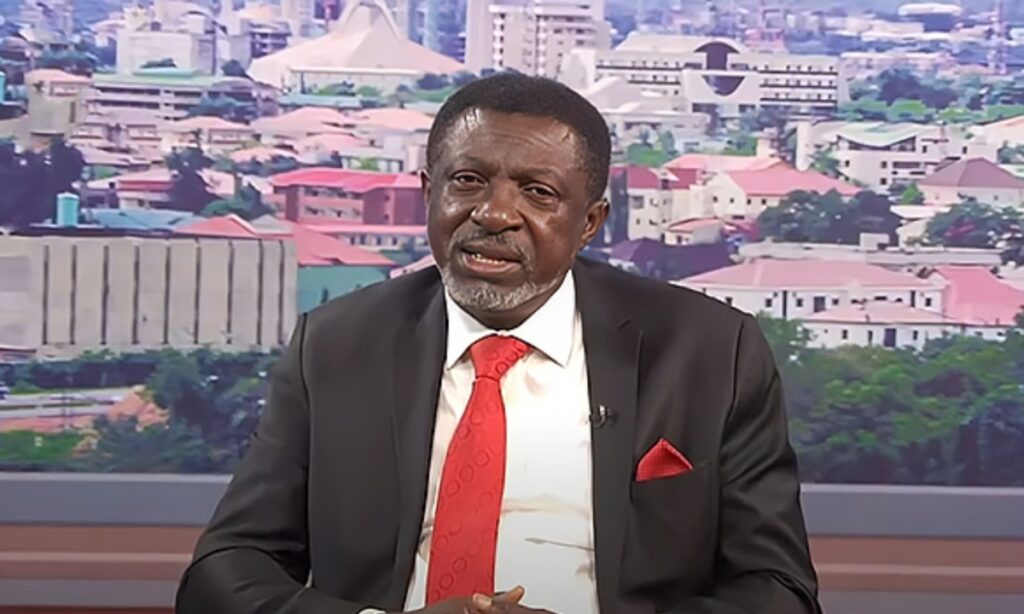
Former Labour Party presidential candidate Peter Obi has renewed calls for the full adoption of electronic transmission of election results in Nigeria, arguing that comparisons with India expose deep leadership and governance gaps.
In a statement shared Tuesday on his verified X account, Obi said Nigeria cannot justify its continued struggles with electoral credibility when larger democracies are successfully deploying technology at scale.
India Held Up as Benchmark for Electoral Technology
Obi pointed to India, described as the world’s largest democracy, with nearly one billion registered voters and voter participation exceeding 60 percent in national elections.
According to him, India operates more than one million polling stations and manages thousands of political parties, yet still conducts elections using technological systems that enable electronic transmission of results within days.
By contrast, Obi noted that Nigeria has roughly 93 million registered voters — less than one-tenth of India’s voter base — and a significantly smaller electoral infrastructure.
“Nigeria, with only one-seventh of India’s population… has fewer than 20 percent of the polling stations and only about 1 percent of the political parties compared to India,” he said.
Despite these comparatively smaller figures, Obi argued, Nigeria continues to face difficulties conducting elections and transmitting results promptly — even with voter turnout often below 20 percent.
Leadership at the Core of the Problem
Beyond technical capacity, Obi attributed Nigeria’s electoral challenges to what he described as a deficit in leadership commitment.
“The difference is leadership,” he wrote. “In India, political leaders, legislators and judiciary work tirelessly for the welfare of their people and the future of their children, to do the right thing for the betterment of society, even amidst challenges.”
He contrasted this with Nigeria, where he claimed many political actors pursue policies that deepen poverty and undermine long-term national development.
“If we are to transform Nigeria, we must demand leaders who put the people first, govern with integrity, and plan for a better tomorrow,” he added.
Renewed Debate on Electoral Reform
Obi’s remarks come amid ongoing debates about electoral reform, electronic transmission of results and the credibility of Nigeria’s voting system ahead of future general elections.
Supporters argue that technology-driven processes would reduce disputes and strengthen public trust, while critics cite logistical, legal and infrastructure constraints.
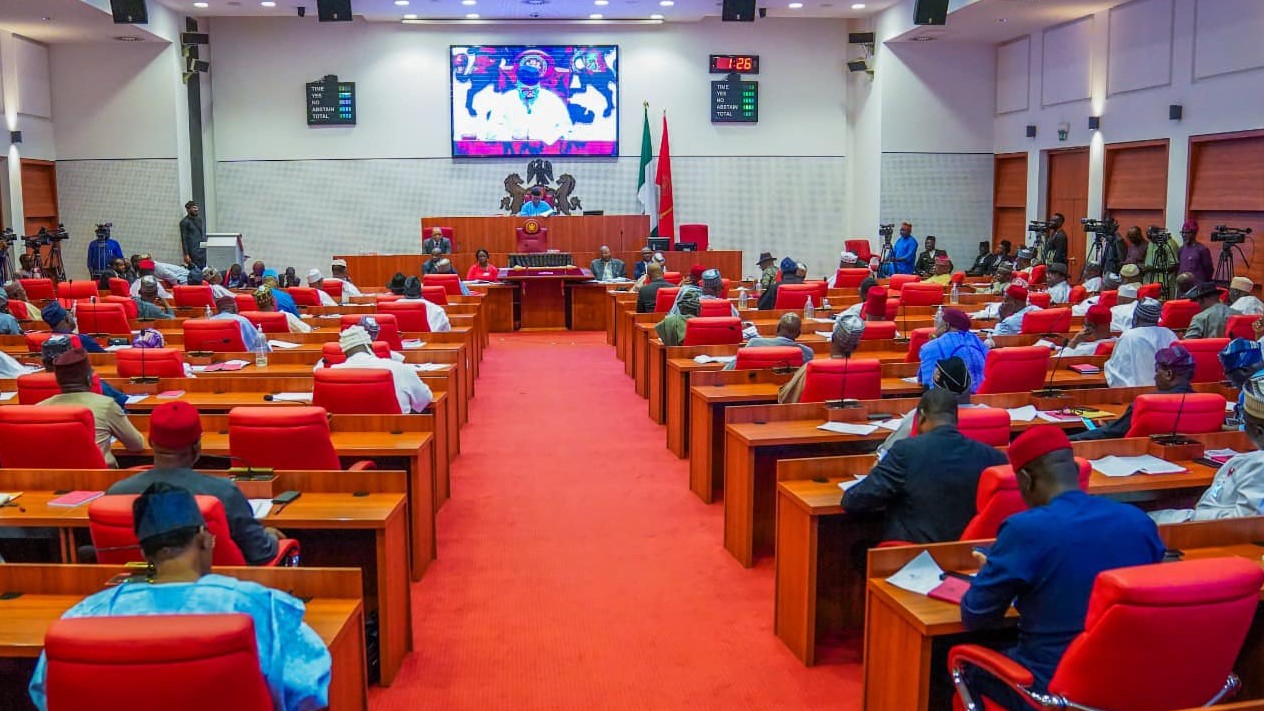
With conversations around electoral amendments continuing in the National Assembly, Obi’s intervention is likely to intensify pressure on policymakers to prioritise reforms.