
Now Reading: Epstein Files Scandal Rocks Britain: Prince Andrew, Sarah Ferguson and Peter Mandelson Under Fresh Scrutiny
-
01
Epstein Files Scandal Rocks Britain: Prince Andrew, Sarah Ferguson and Peter Mandelson Under Fresh Scrutiny
Epstein Files Scandal Rocks Britain: Prince Andrew, Sarah Ferguson and Peter Mandelson Under Fresh Scrutiny

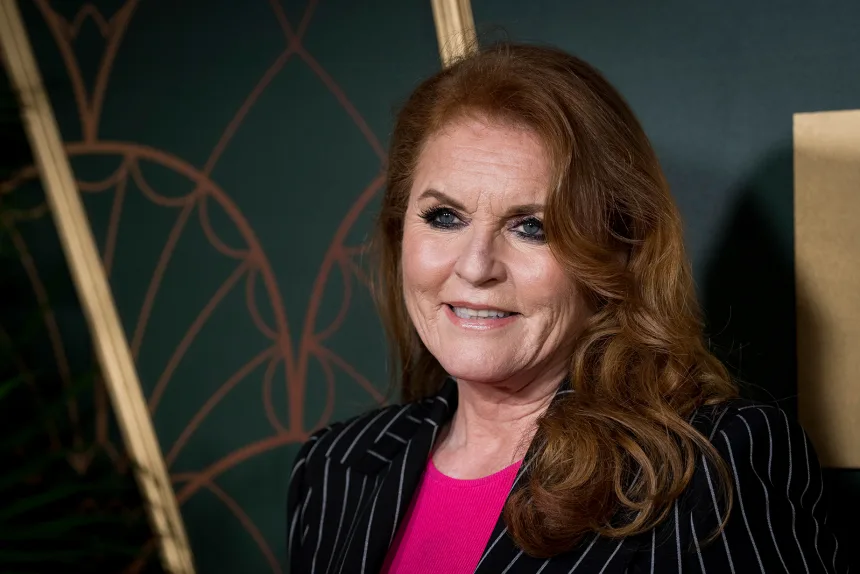
Freshly released US court documents linked to convicted sex offender Jeffrey Epstein have sent shockwaves through Britain’s political and royal establishments, drawing renewed attention to the relationships between the disgraced financier and three prominent public figures: Prince Andrew, Sarah Ferguson, and Peter Mandelson.
More than three million pages of material released by the US Department of Justice reference the trio multiple times. While the documents do not in themselves establish criminal wrongdoing, they have intensified political pressure and triggered calls for accountability at the highest levels of British life.
Prime Minister Keir Starmer has urged Andrew — now known as Andrew Mountbatten-Windsor — to cooperate with US congressional investigators examining Epstein’s network.
Andrew Mountbatten-Windsor: Images, Emails and Renewed Questions
Andrew has long faced scrutiny over his association with Epstein. During a widely criticised 2019 interview with the BBC, he said he had cut ties with Epstein in 2010, following the financier’s 2008 conviction for soliciting prostitution from a minor.
Subsequent emails previously reported by British media suggested further contact in 2011, contradicting that claim. His brother, King Charles III, later removed his royal titles and began steps to distance him from official royal duties.
The latest document release includes three undated photographs appearing to show Andrew kneeling over a fully clothed woman lying on the floor. Her face is redacted, and no context or captions accompany the images. The material does not allege criminal conduct, but it has intensified public scrutiny.
Newly disclosed correspondence from August 2010 shows Epstein inviting Andrew to meet a “friend” for dinner in London. Andrew replied that he would be “delighted” to see her. Epstein subsequently described the woman as a 26-year-old Russian national.
Police in Thames Valley confirmed they are assessing reports concerning an allegation that a woman may have been taken to a Windsor address in 2010 for sexual purposes. No formal complaint has been lodged, and authorities say they are reviewing available information.
Andrew has consistently denied any wrongdoing. He previously reached a multi-million-dollar civil settlement in 2022 with Virginia Giuffre, an Epstein accuser, while maintaining he had never met her and rejecting all allegations.
Speaking in Dubai this week, Prince Edward said it was vital to “remember the victims,” declining further comment.
Sarah Ferguson: Emails Reveal Depth of Contact
The document release also sheds fresh light on correspondence between Epstein and Sarah Ferguson, Andrew’s former wife.
Emails from August 2009 show Ferguson thanking Epstein for his support following a lunch meeting, telling him she had “never been more touched by a friend’s kindness.” In January 2010, she expressed gratitude for his generosity in strikingly effusive terms.
Other emails suggest Epstein sought to use Ferguson’s public profile in efforts to rehabilitate his reputation. Crisis management discussions referenced the possibility of her issuing statements in his defence.
In October 2009, Ferguson wrote that she urgently required £20,000 to cover rent arrears. It remains unclear whether Epstein provided those funds. Financial records indicate that in 2001, Epstein transferred $150,000 to her following assistance related to share options earned through Weight Watchers.
Ferguson has previously said she regrets her association with Epstein. Her charitable foundation, Sarah’s Trust, announced this week it would close for the foreseeable future after months of internal discussion.
Peter Mandelson: Financial Transfers and Leaked Policy Concerns
Former Labour heavyweight Peter Mandelson, once dubbed the “Prince of Darkness” for his political manoeuvring, faces some of the most serious questions arising from the files.
Correspondence appears to show that his long-term partner, Reinaldo Avila da Silva — whom he married in 2023 — received multiple payments from Epstein between 2009 and 2010. Emails detail loan requests and instructions to wire funds.
Financial records released by US authorities also suggest Mandelson himself may have received payments totalling $75,000 between 2003 and 2004. A spokesperson has said neither Mandelson nor his partner recall receiving such funds and questioned the authenticity of the documentation.
More significantly, emails indicate Mandelson may have shared sensitive UK government information with Epstein while serving as business secretary under then-prime minister Gordon Brown.
The material includes discussion of Britain’s tax strategy, proposed asset sales to address post-financial crisis debt, and banker bonus levies. In one exchange, Epstein refers to a possible €500bn European bailout, to which Mandelson appears to respond that an announcement was imminent.
The Metropolitan Police confirmed it has received reports relating to potential misconduct in public office and will assess whether a criminal investigation threshold has been met.
Mandelson has resigned from the Labour Party and is stepping down from the House of Lords, apologising to “the women and girls whose voices should have been heard long before now.”
Britain Confronts a Deepening Crisis
The latest tranche of Epstein documents has reignited debate over access, influence and accountability at the heart of British power.
Although none of the newly released material independently proves criminal wrongdoing by the individuals named, the political and reputational consequences are already profound — stretching from Buckingham Palace to Westminster.
With investigations under way on both sides of the Atlantic, the Epstein files continue to cast a long shadow over Britain’s institutions.