Now Reading: Governor Otti Urges South East Energy Masterplan, Says Zone Can Generate 15,000MW Within 10 Years
-
01
Governor Otti Urges South East Energy Masterplan, Says Zone Can Generate 15,000MW Within 10 Years
Governor Otti Urges South East Energy Masterplan, Says Zone Can Generate 15,000MW Within 10 Years

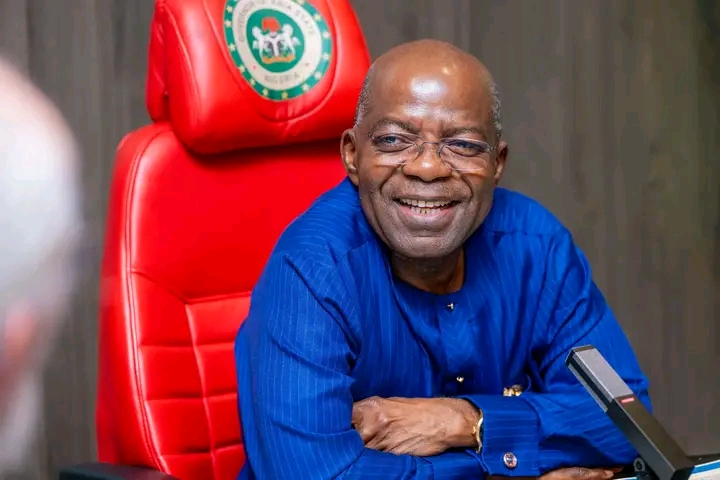
Abia governor calls for coordinated regional energy strategy to drive industrialisation, citing untapped gas, coal, solar, and hydropower resources.
Governor Alex Otti of Abia State has called for a comprehensive and sustainable South East energy masterplan, asserting that the region has the potential to generate between 10,000 and 15,000 megawatts of electricity within the next decade if its resources are properly harnessed.
The governor made the remarks at the South East Vision 2050 Regional Stakeholders’ Forum held at the International Conference Centre, Enugu, where he delivered an address titled “Powering Industrialization in the South East: The Case for a Regional Energy Strategy.”
The forum, convened by the Office of the Vice President, the Federal Ministry of Regional Development, and the South East Development Commission (SEDC), brought together governors, policymakers, private sector leaders, development partners, and community representatives to chart a 50-year development path for the zone.
Energy as the Engine of Industrial Growth
Otti stressed that reliable electricity remains critical to reviving the South East’s industrial heritage, citing Aba’s resurgence following the commissioning of the Geometric Power plant.
“Power is the foundation of industrial growth and the modern Aba is proof that investments and higher enterprise outputs are functions of steady and predictable power supply,” he said.
He highlighted that the Aba electricity zone is largely insulated from national grid disruptions, providing a model for other cities in the region.
The governor commended reforms under the Nigerian Electricity Act of 2023, which liberalised the sector, enabling states and private entities to directly participate in power generation, transmission, and distribution. He said Abia State had already acted under this framework, establishing the Abia State Electricity Regulatory Authority (ASERA), acquiring mini-grid and distribution assets, and creating a long-term plan to attract private sector investment.
Framework for a Regional Energy Strategy
Otti proposed a three-pronged approach:
- Resource Identification and Optimisation – leveraging abundant natural gas in Imo, crude oil in Abia, Imo, and Anambra, coal in Enugu and Ebonyi, and solar, hydropower, and biomass potential across the region.
- Sustained Infrastructure Investment – building power plants, transmission lines, substations, and metering systems.
- Adoption of the Right Market Model – de-risking initial investments and eventually allowing private operators to run systems under strong regulatory oversight.
He emphasised fair electricity pricing and compulsory metering to ensure transparency and protect consumers, describing estimated billing as exploitative.
Balancing Energy Transition and Industrial Needs
Otti argued that coal should not be dismissed in regional energy planning, noting that major industrialised nations still rely heavily on it, and Africa’s share of global emissions is minimal. He maintained that renewable energy adoption is important but that no viable energy option should be ignored in the drive for industrial sufficiency.
He urged South East states to collaborate, expand existing plants like Geometric Power, and share energy across borders rather than pursuing isolated projects.
“We are better together. Multiple opportunities for cooperation and resource sharing exist if we adopt a regional energy master plan,” Otti said.
The governor concluded that a well-planned energy system could drive industrialisation, create jobs, improve education and healthcare, and lift the region from poverty and economic stagnation.