Now Reading: India Launches Record-Breaking Census: 1.4 Billion People, 3 Million Officials, 33 Questions
-
01
India Launches Record-Breaking Census: 1.4 Billion People, 3 Million Officials, 33 Questions
India Launches Record-Breaking Census: 1.4 Billion People, 3 Million Officials, 33 Questions

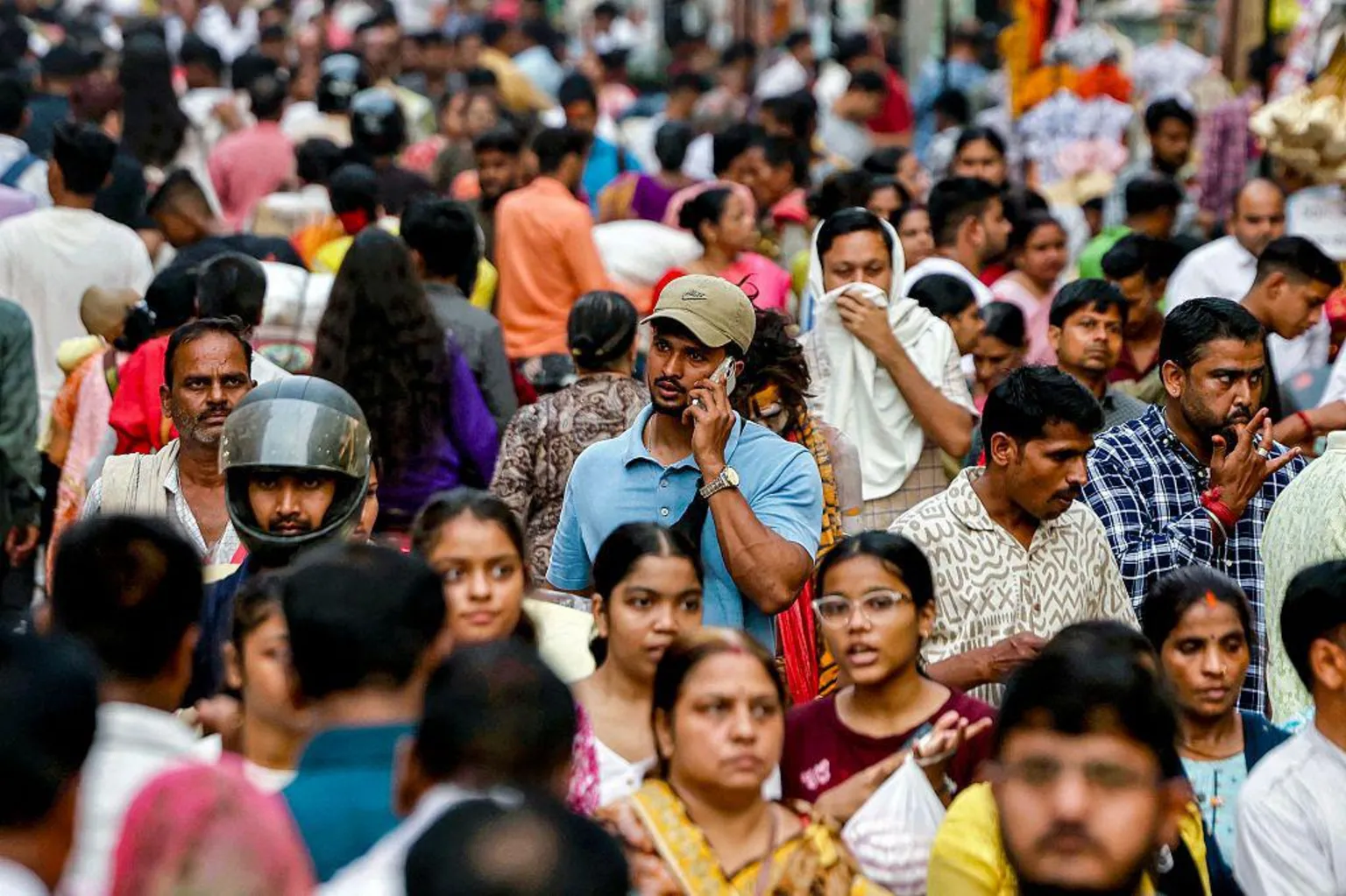
Digital door-to-door count begins amid population surge and policy urgency
India has embarked on the world’s largest census, aiming to document over 1.4 billion people for the first time in more than 15 years. With three million enumerators deployed across 36 states and union territories, this massive survey seeks answers to 33 detailed questions covering everything from housing and internet access to fertility, migration, and household composition.
The census, now in its 16th iteration and the eighth since independence, is widely regarded as essential for policy planning, welfare delivery, and political representation in the world’s most populous country.
Two-phase approach with digital innovation
The exercise is being conducted in two phases. The first, the House Listing and Housing Census, gathers information on housing conditions and household assets, running in selected regions from 1 to 15 April. The population enumeration phase, set for February 2027, will collect demographic, educational, and migration data, along with politically sensitive caste information.
For the first time, digital tools are being used. Enumerators are equipped with mobile apps, while residents can self-enumerate online through a portal supporting 16 languages. A unique ID system ensures verification by census workers.
Why the census matters now
India overtook China as the world’s most populous nation in 2023, yet its median age is just 28, with nearly 70% of the population of working age. Analysts warn that outdated data, with the last census conducted in 2011, hampers effective policy design, urban planning, and welfare delivery, particularly in rapidly transforming urban and peri-urban areas.
“This census is crucial – it is the definitive snapshot of India, capturing everything from caste and religion to jobs, education and amenities,” says Ashwini Deshpande, economist at Ashoka University.
Recent population registers and electoral updates have sparked public anxiety around inclusion, but officials insist the census is strictly a tool for planning and governance, not citizenship verification.
A historical perspective
From a rudimentary headcount in 1872 to today’s 33-question digital survey, India’s census has evolved to reflect socio-economic realities. Questions now cover not just identity, religion, and caste, but also household living standards, fertility, migration, and economic activity.
By capturing these details, the government hopes to modernize policy frameworks, accurately allocate resources, and ensure programs like the rural jobs guarantee reach the intended beneficiaries.