Now Reading: Iran Files UN Security Council Complaint Over U.S. Military Threats
-
01
Iran Files UN Security Council Complaint Over U.S. Military Threats
Iran Files UN Security Council Complaint Over U.S. Military Threats

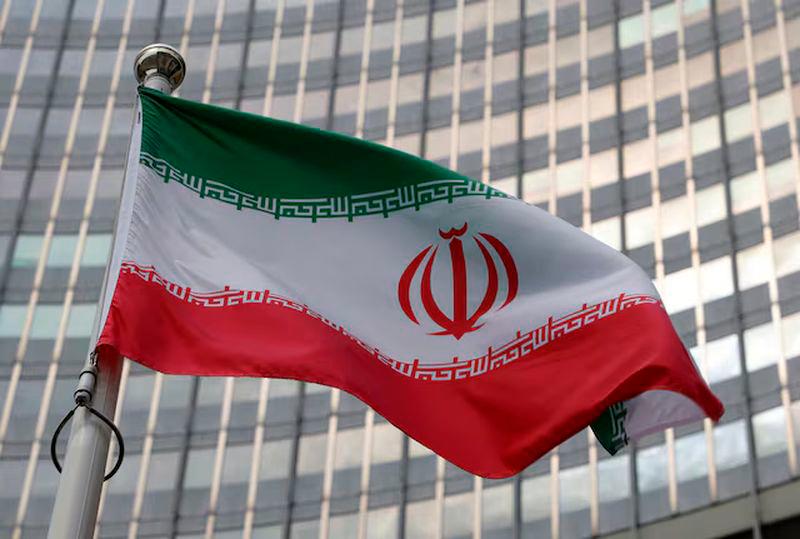
Iran has formally lodged a complaint with the United Nations Security Council (UNSC), accusing the United States of threatening military action and violating international law.
The complaint, sent in a letter dated February 19, 2026, was addressed to UN Secretary-General António Guterres and the Council’s President, James Kariuki. Amir Saeid Iravani, Iran’s ambassador to the UN, alleged that Washington breached the UN Charter by publicly threatening the use of force against Tehran.
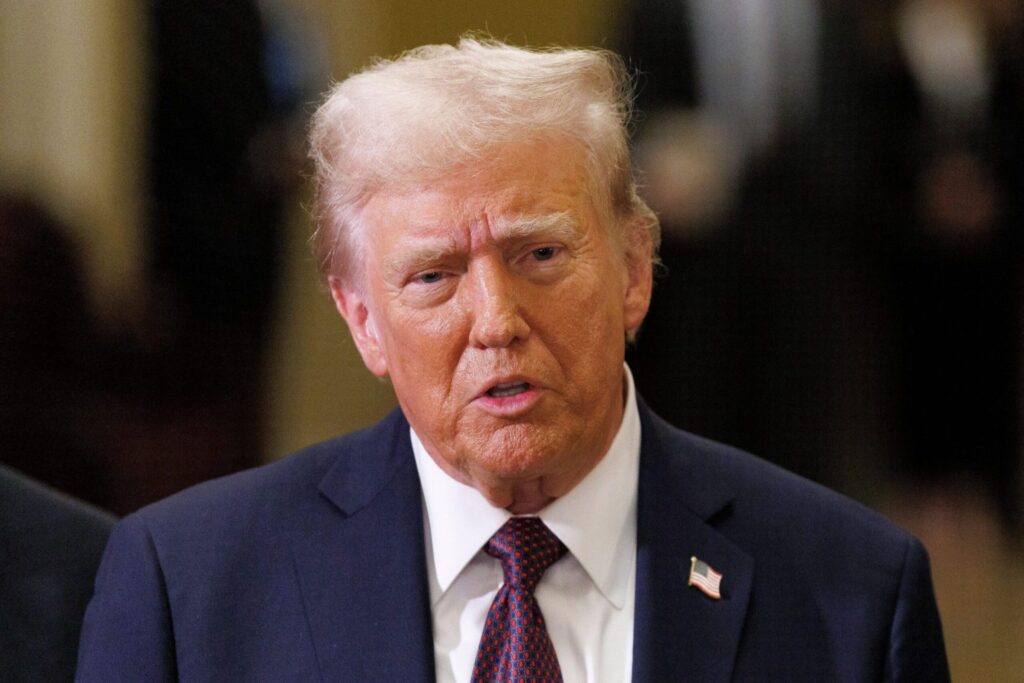
Triggered by U.S. President’s Social Media Post
The letter cited a February 18 social media post attributed to U.S. President Donald Trump, in which he reportedly suggested that military facilities at Diego Garcia and RAF Fairford could be used in a potential strike if Iran failed to “make a deal.”
Tehran described the remarks as a direct violation of Article 2(4) of the UN Charter, which prohibits the threat or use of force against any nation’s territorial integrity or political independence. Iranian officials also warned that the ongoing buildup of U.S. military assets in the region heightens the risk of confrontation.
“The situation must not be viewed as mere political rhetoric,” the letter said, cautioning that continued military deployments and public threats could destabilize the Middle East and threaten global peace.
Iran Reaffirms Commitment to Diplomacy
Despite the accusations, Iran emphasized its dedication to resolving disputes through dialogue. Iravani said Tehran remains engaged in nuclear negotiations, aiming to address sanctions it considers unlawful and clarify matters concerning its nuclear programme under the Treaty on the Non-Proliferation of Nuclear Weapons (NPT).
He added that a balanced agreement is still possible if the United States approaches talks with respect for international law and the UN Charter.
Call for Security Council Action
Iran urged the UN Security Council to act to maintain international peace by calling on the United States to halt what Tehran termed unlawful threats. The letter requested circulation as an official UNSC document.
While reiterating that it does not seek conflict, Iran stressed that it would exercise its right to self-defence under Article 51 of the UN Charter if attacked. In such a scenario, U.S. military bases and assets in the region could be deemed legitimate targets, and Washington would be held accountable for any escalation.
This move marks a significant escalation in tensions between Tehran and Washington, highlighting growing concerns over security in the Middle East and the fragile nature of ongoing diplomatic efforts.