Now Reading: Kebbi Malnutrition Emergency: MSF Records 74% Surge as Thousands of Children Battle Severe Hunger
-
01
Kebbi Malnutrition Emergency: MSF Records 74% Surge as Thousands of Children Battle Severe Hunger
Kebbi Malnutrition Emergency: MSF Records 74% Surge as Thousands of Children Battle Severe Hunger

Health workers warn of a structural crisis as poverty, food insecurity and weak healthcare push families to the brink
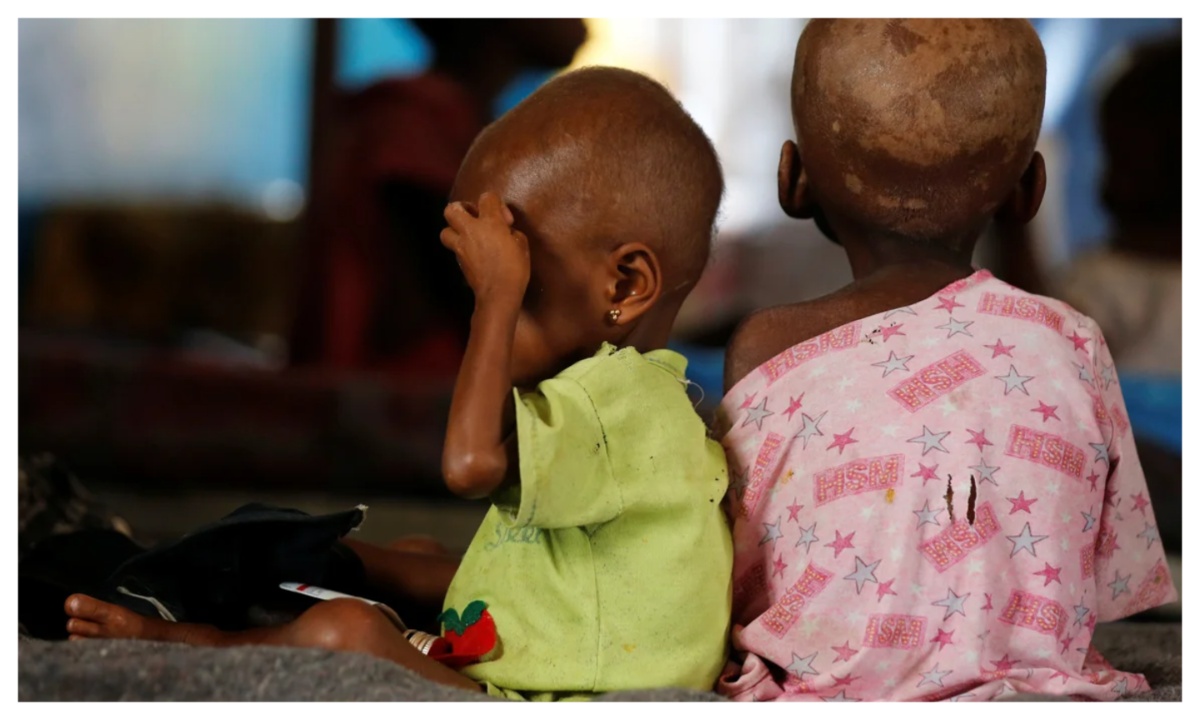
Sunken eyes, frail limbs and recurring infections are becoming distressingly common sights across Kebbi State as a deepening malnutrition crisis threatens the lives of thousands of children.
Health workers and humanitarian organisations say what was once seen as a seasonal challenge has evolved into a full-blown structural emergency driven by poverty, food shortages and fragile healthcare access.
New data from Médecins Sans Frontières (MSF), also known as Doctors Without Borders, reveals a 74.1% increase in admissions of malnourished children in its facilities across Kebbi between January and June 2025 — a surge experts say signals a worsening long-term crisis rather than a temporary spike.
Hospitals overwhelmed by rising cases
According to MSF medical officer Dr Hamza Bello, 24,784 children were admitted into inpatient therapeutic feeding centres between January and May 2025, while 107,461 others received care through outpatient nutrition programmes — a 13% rise compared to the same period in 2024.
“In one instance, we had about 400 children on admission in a single day,” he said, describing the caseload as unprecedented and warning that peak malnutrition periods could push facilities beyond capacity.
Outpatient programmes typically treat children with less complicated cases of severe acute malnutrition, while those with infections and organ complications require intensive inpatient care.
Health workers say many children arrive too late, when complications have already set in.
Families travelling 100km for treatment
Limited access to specialised healthcare means some caregivers travel as far as 100 kilometres to reach treatment centres.
A health worker in Maiyama Local Government Area, who requested anonymity, said many parents fail to recognise early signs of malnutrition or cannot afford transport and medical costs until conditions become critical.
Across communities, parents recount painful experiences of watching their children lose weight, fall ill repeatedly and struggle to survive on minimal meals.
Many households now ration food, with children often receiving the smallest portions as rising food prices and shrinking incomes take their toll.
More than hunger: A web of causes
Nutrition experts say malnutrition in Kebbi is not caused by hunger alone. Poor infant feeding practices, limited dietary diversity, recurrent infections, climate-related farming disruptions, insecurity and weak primary healthcare systems all contribute to the crisis.
One nutrition advocate, Aisha Abdullahi, described malnutrition as a reflection of deeper systemic problems.
“When children are malnourished, it shows families are struggling and systems are not working as they should,” she said.
Civil society groups warn that prolonged malnutrition can lead to impaired brain development, poor academic performance and reduced productivity in adulthood.
Calls for urgent government action
MSF has urged the Kebbi State Government to ensure a steady supply of Ready-to-Use Therapeutic Food and to expand both preventive and curative nutrition programmes, especially at community level.
Experts recommend prioritising infant and young child feeding education, nutrition counselling, improved food access and social protection for vulnerable families.
Attempts to reach the Commissioner for Health, Hon. Samaila Yakubu Augie, were unsuccessful. An official at the Ministry of Health said the commissioner, who assumed office less than five months ago after redeployment from the Ministry of Internal Security, was out of town.
The ministry has faced criticism over its response to the crisis. The state governor had earlier suspended the former Health Commissioner, Yunusa Isma’il, over alleged dereliction of duty.
A crisis measured in children’s lives
For families across Kebbi, malnutrition is no longer a policy debate but a daily fight for survival.
Without coordinated, sustained intervention, health workers fear more children will continue to suffer from preventable hunger, disease and premature death.