Now Reading: Kim Jong Un Weighs Options as US-Iran Crisis Tests Pyongyang’s Calculus on Trump
-
01
Kim Jong Un Weighs Options as US-Iran Crisis Tests Pyongyang’s Calculus on Trump
Kim Jong Un Weighs Options as US-Iran Crisis Tests Pyongyang’s Calculus on Trump

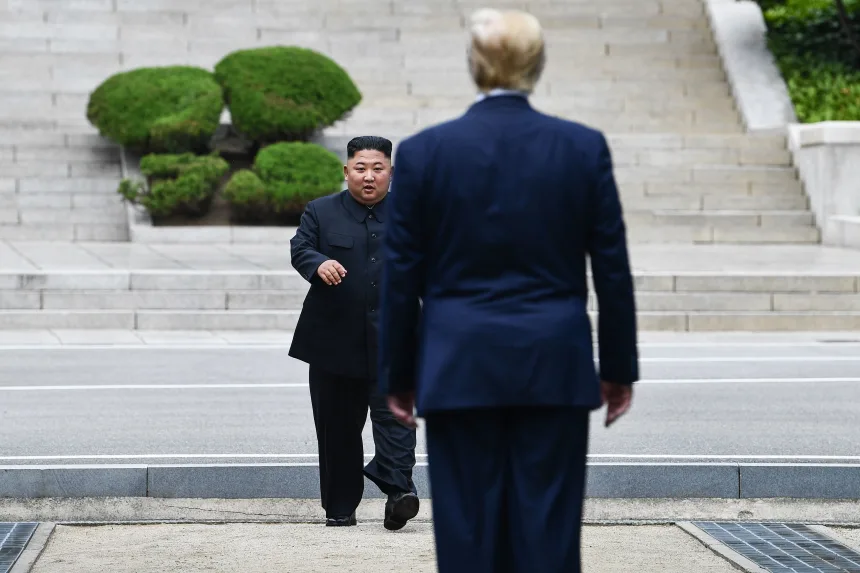
Amid the US and Israel’s military operations in Iran, North Korean leader Kim Jong Un faces a delicate decision: whether to engage with former US President Donald Trump or maintain silence. The latest developments in the Middle East, including the reported death of Ayatollah Ali Khamenei and senior Iranian officials, have intensified North Korea’s scrutiny of global leadership vulnerabilities.
North Korea Watches Iran Closely
North Korean state media condemned the US-Israel military campaign but notably omitted the news of Khamenei’s death. Analysts say the omission reflects Pyongyang’s concern about preserving the aura of invincibility surrounding its own leader. “Publicly broadcasting the violent removal of another supreme leader would set a dangerous precedent,” said Chad O’Carroll, founder of Korea Risk Group.
Kim and his security advisors are likely evaluating US tactics and Trump’s swift shift from diplomacy to force. Lessons from Venezuela, where US forces captured President Nicolás Maduro, have not gone unnoticed in Pyongyang. North Korea recently tested a cruise missile from its new Choe Hyon destroyer, signaling readiness amid regional instability.
Lessons from History and Diplomacy
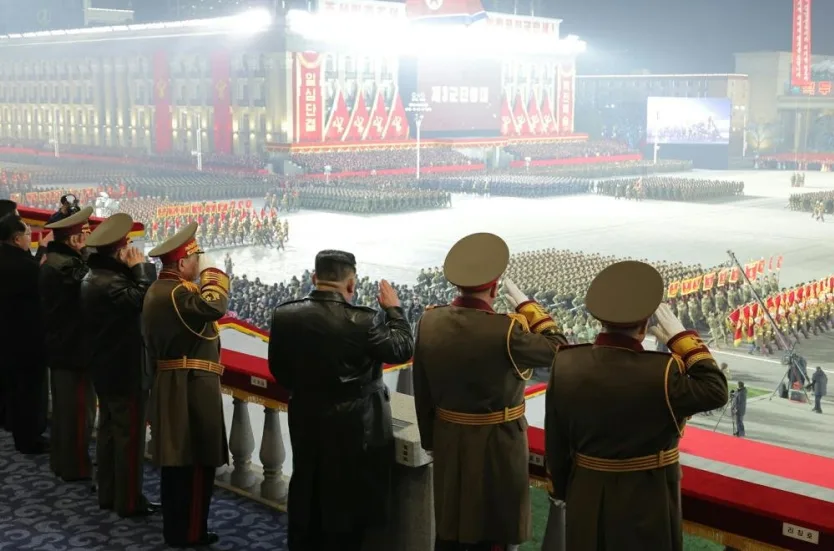
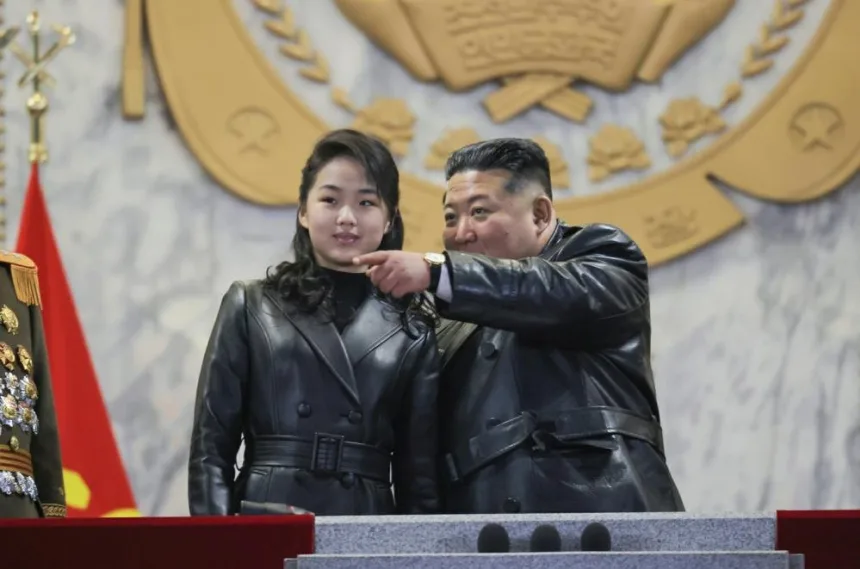
Historical memory also shapes Pyongyang’s approach. In 2003, former leader Kim Jong Il retreated from public view during the US invasion of Iraq. Today, Kim Jong Un has appeared publicly, projecting confidence bolstered by North Korea’s alleged nuclear arsenal, which changes strategic calculations for potential adversaries.
Analysts note that North Korea’s nuclear capabilities, layered security protocols, and underground facilities provide a robust deterrent, but intelligence penetration by adversaries remains a risk. Pyongyang’s leadership is acutely aware of how intelligence operations and targeted strikes can disrupt even the most fortified regimes.
Kim’s Pivot Toward Moscow and Strategic Partnerships
Following stalled diplomacy with Washington, Kim pivoted toward Moscow, supporting Russia in its war in Ukraine in exchange for military and economic assistance. North Korea maintains strategic partnerships with both Russia and China, though these alliances have limits, as evidenced by Iran’s inability to secure direct military intervention from either power during the recent crisis.
The Trump Factor
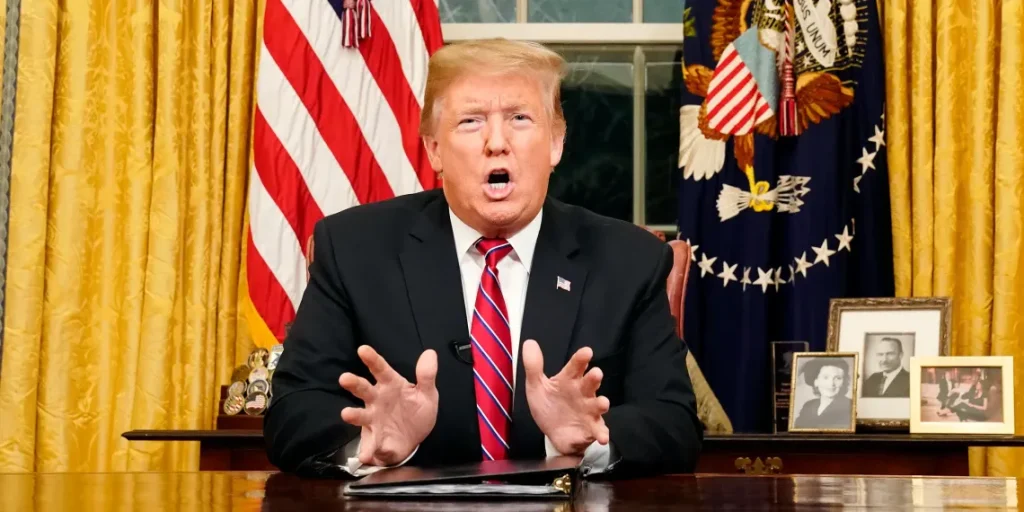
Kim’s personal rapport with Trump—dating back to the 2018 Singapore summit—may now play a role. Despite a failed second summit in Hanoi, the unusual personal relationship and Trump’s past emphasis on personal diplomacy leave open the possibility of future engagement. At North Korea’s Ninth Workers’ Party Congress, Kim signaled conditional willingness for dialogue if the US recognizes North Korea’s nuclear status. Washington has affirmed its openness to talks without preconditions, but uncertainty remains over timing and scope.
As the US-Iran conflict unfolds, Kim Jong Un must weigh the risks: call Trump and potentially mitigate unpredictability, or remain silent and rely solely on military deterrence and strategic alliances. The decision carries implications not just for Pyongyang’s security but for regional stability in Asia and beyond.