Now Reading: Nigeria Food Inflation Surges as Fuel Prices Hit N1,330/Litre, Deepening Cost-of-Living Crisis
-
01
Nigeria Food Inflation Surges as Fuel Prices Hit N1,330/Litre, Deepening Cost-of-Living Crisis
Nigeria Food Inflation Surges as Fuel Prices Hit N1,330/Litre, Deepening Cost-of-Living Crisis

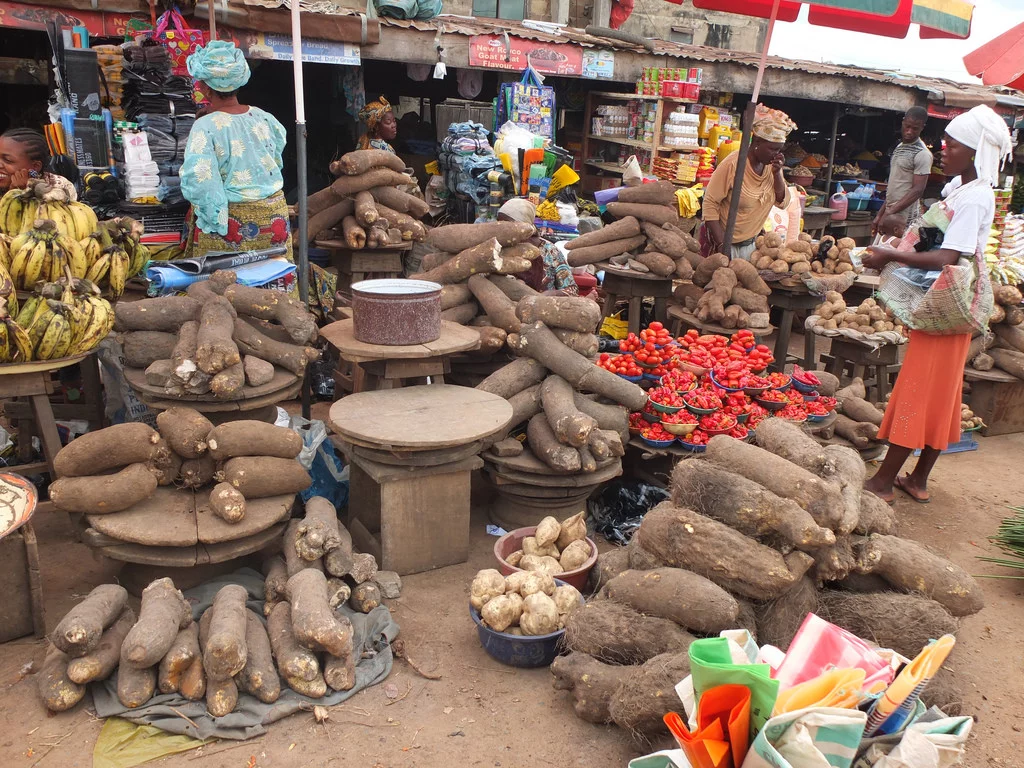
Soaring food prices and record fuel costs are tightening the squeeze on Nigerian households, despite a marginal dip in overall inflation.
Fresh data from the National Bureau of Statistics (NBS) shows that food inflation climbed sharply to 12.12% in February 2026, up from 8.89% in January, signalling renewed pressure on household spending.
The rise comes as petrol prices spike nationwide, reaching as high as N1,330 per litre, worsening transport costs and pushing up the price of essential goods.
The latest figures were released as President Bola Ahmed Tinubu travelled to the United Kingdom on an official visit at the invitation of King Charles III.
Food prices surge on key staples
According to the NBS, the spike in food inflation was driven by rising prices of everyday staples including beans, cassava, yam flour, crayfish, millet flour, okazi leaves, and ogbono.
For millions of Nigerians, food accounts for the largest share of household spending—making the increase particularly painful for low- and middle-income earners.
Fuel crisis fuels inflation pressure
The jump in food prices coincides with a fresh wave of fuel hikes across the country.
Retail petrol prices have surged from N875–N900 per litre to as high as N1,330, following global oil price increases and supply disruptions linked to geopolitical tensions.
Africa’s largest refinery, the Dangote Refinery, recently raised its gantry price to N1,175 per litre, triggering a chain reaction across filling stations.
Major marketers responded quickly:
- MRS stations increased prices to about N1,267 per litre
- Optima outlets moved to roughly N1,270 per litre
- Other retailers, including NNPC-linked stations, now sell between N1,261 and N1,330
Transport fares have already surged nationwide, compounding the financial strain on commuters and businesses.
Headline inflation dip offers little relief
Despite the surge in food and fuel costs, Nigeria’s headline inflation rate edged down slightly to 15.06% in February, from 15.10% in January.
However, economists say this marginal drop provides no real relief.
Professor Godwin Oyedokun of Lead City University described the decline as “largely statistical,” noting that it does little to ease the daily realities facing households.
“The change is too small to translate into meaningful relief. The cost of living pressure remains intense,” he said.
Experts: Seasonal factors and deeper structural issues at play
Economist Ayo Teriba attributes part of the increase to seasonal economic patterns, explaining that prices often dip in January before rising again in February as economic activity picks up.
“Food prices rising in February should not be a surprise,” he noted, adding that the trend may reflect short-term fluctuations rather than a sustained surge.
But beyond seasonal effects, structural challenges remain a major concern.
Oyedokun pointed to:
- Rising energy costs (fuel and electricity)
- Insecurity in farming regions
- Poor logistics and transportation systems
- High post-harvest losses
These factors, he said, are driving cost-push inflation, where producers pass higher costs directly to consumers.
Growing hardship for Nigerian households
With food prices climbing and fuel costs surging, many families are finding it harder to afford basic necessities.
Economists warn that unless the government addresses supply-side issues—particularly in agriculture and energy—the pressure on households is unlikely to ease.
“When food prices rise, it erodes purchasing power and deepens poverty,” Oyedokun warned.
He called for urgent reforms, including improved security for farmers, better infrastructure, and targeted support for the agricultural sector.
Uncertainty over inflation trend
Analysts say it is still too early to determine whether the latest spike marks the beginning of a new inflation cycle or a temporary fluctuation.
For now, however, the reality is clear: the cost-of-living crisis in Nigeria is far from over.