Now Reading: Nigeria’s Minimum Wage Buys Just 350 Units of Power — Compared With 7,500 in the UK, Energy Expert Warns
-
01
Nigeria’s Minimum Wage Buys Just 350 Units of Power — Compared With 7,500 in the UK, Energy Expert Warns
Nigeria’s Minimum Wage Buys Just 350 Units of Power — Compared With 7,500 in the UK, Energy Expert Warns

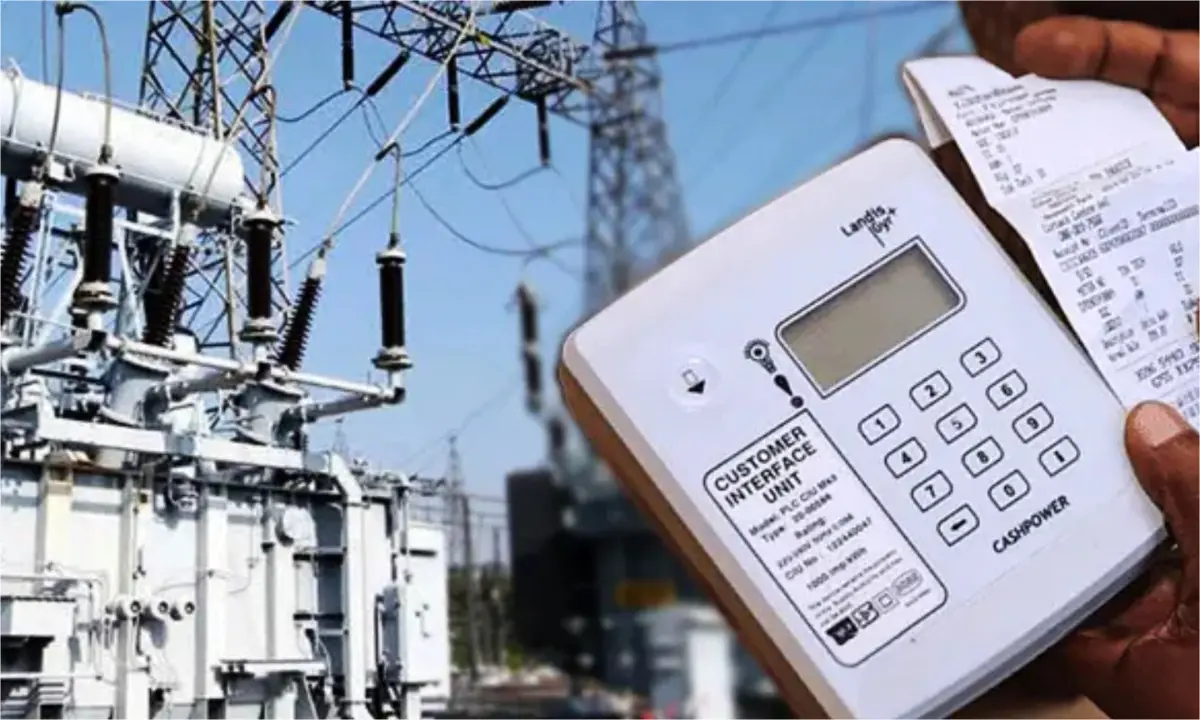
Nigeria’s electricity pricing system is pushing consumers to the brink, with minimum wage earners able to afford only a fraction of the power their counterparts enjoy in developed economies, according to energy expert Nick Agule.
Speaking during an interview on ARISE TV, Agule criticised what he described as a punitive tariff structure that delivers higher bills without reliable supply, warning that ongoing reforms could deepen the crisis rather than fix it.
He drew a stark comparison between electricity costs in Nigeria and the United Kingdom, where he maintains residences in both countries.
“I pay for electricity in the UK and I pay for electricity in Nigeria,” Agule said. “But I’m paying more for power in Abuja than I pay in London — and in London, electricity is available 24 hours a day, all year round.”
According to his analysis, Nigeria’s minimum wage can purchase only about 350 units of electricity for customers on Band A tariffs. In contrast, the UK minimum wage is sufficient to buy around 7,500 units — a gap he described as evidence that Nigerian consumers are significantly worse off.
Agule argued that the disparity highlights a deeper imbalance between electricity pricing and service delivery in Nigeria, where frequent outages persist despite rising tariffs.
“Nothing substantial has been put into the system, yet Nigerians are being strangled by policy decisions,” he said.
Agule also raised concerns about the federal government’s push towards cost-reflective tariffs and the expectation that state governments can absorb higher electricity bills.
While states are receiving increased allocations from the Federation Account, he said this does not translate into the financial capacity needed to handle escalating power costs.
“The states won’t have the capacity to pay,” Agule said. “More revenue does not automatically mean they can absorb electricity costs.”
He warned that the policy shift could worsen the financial health of electricity distribution companies (DisCos), many of which are already struggling under heavy debts. Reports indicate that around 20 states failed to settle electricity bills in 2024, raising questions about the sustainability of the current reform path.
Agule’s comments come as public anger mounts over rising electricity tariffs, service band classifications and billing practices. Many households complain of paying more while receiving little or no improvement in supply, intensifying scrutiny of Nigeria’s power sector reforms.