Now Reading: Petrol Price May Hit ₦2,000 Per Litre as TUC Warns of Economic Shock, Urges Urgent Government Action
-
01
Petrol Price May Hit ₦2,000 Per Litre as TUC Warns of Economic Shock, Urges Urgent Government Action
Petrol Price May Hit ₦2,000 Per Litre as TUC Warns of Economic Shock, Urges Urgent Government Action


Nigeria could be heading toward a fresh fuel crisis, with petrol prices projected to hit ₦2,000 per litre if urgent steps are not taken to stabilise the market, the Trade Union Congress (TUC) has warned.
The alarming projection comes as rising global crude oil prices and the continued depreciation of the naira tighten pressure on the cost of Premium Motor Spirit (PMS), worsening hardship for millions of Nigerians.
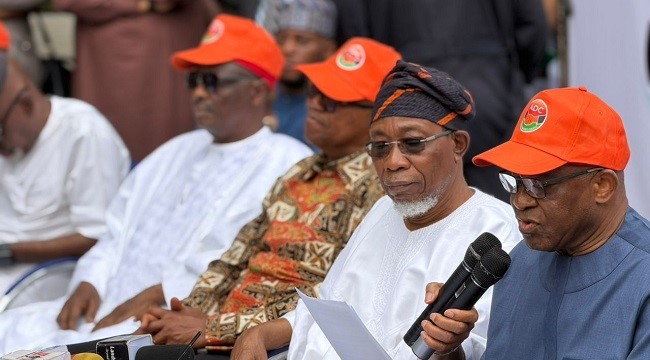
Speaking in Abuja, TUC President, Festus Osifo, said workers across the country are already feeling the strain, with petrol prices climbing steadily in different regions. He warned that the situation could spiral further if no immediate intervention is introduced.
“Today, comrades, we are seeing that the cost of petrol is edging towards ₦2,000 per litre depending on the part of the country that you are. Nigerian workers are already passing through excruciating pain as we speak,” Osifo said.
The labour leader stressed that the rising cost of fuel is not just a transport issue but a full-scale economic threat. According to him, increased fuel and diesel prices are pushing up production costs, which in turn drive higher prices for goods and services nationwide.
“The same way it is affecting transportation, it is also affecting manufacturing. The cost of diesel has also gone northward, meaning that the cost of production has increased. When production costs rise, the final price of goods on the shelves will also skyrocket,” he added.
To avert the looming crisis, the TUC proposed a targeted intervention using Nigeria’s excess crude oil revenue. Osifo urged the Federal Government to allocate 60 per cent of earnings above the 2026 budget benchmark to subsidise crude oil supplied to local refineries, including the Dangote Refinery and other modular facilities.
He explained that the 2026 budget benchmark stands at $64.85 per barrel, while current global crude prices are hovering around $100 per barrel due to geopolitical tensions, including the Middle East conflict and disruptions around the Strait of Hormuz. This gap, he noted, creates an estimated excess of about $35.15 per barrel that could be strategically deployed.
According to the TUC, subsidising crude at the production level—rather than finished fuel—would reduce the risk of corruption and deliver faster results. Osifo insisted that such a move could bring down petrol, diesel, and jet fuel prices within weeks, offering immediate relief to struggling households and businesses.