Now Reading: Petrol Price Surges to N1,400/Litre as Dangote Refinery Raises Gantry Rate; Tinubu Presidency Yet to Respond
-
01
Petrol Price Surges to N1,400/Litre as Dangote Refinery Raises Gantry Rate; Tinubu Presidency Yet to Respond
Petrol Price Surges to N1,400/Litre as Dangote Refinery Raises Gantry Rate; Tinubu Presidency Yet to Respond

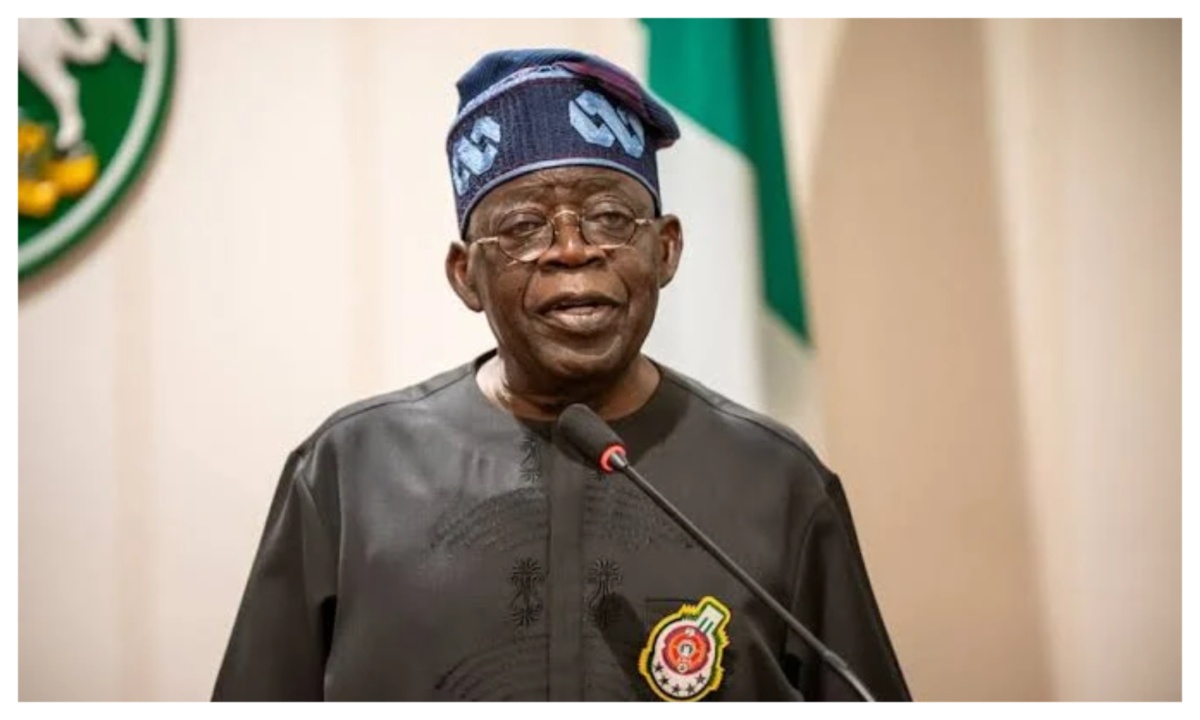
Nigeria’s worsening fuel crisis has taken another dramatic turn as the retail price of petrol climbed to as high as N1,400 per litre, following a sharp increase in the gantry price announced by the Dangote Refinery.
The price surge comes as the administration of Bola Ahmed Tinubu has yet to publicly respond to the latest development, despite growing public anxiety over the rising cost of transportation, food, and basic goods.
Industry checks indicate that the refinery raised its gantry price for Premium Motor Spirit (PMS) to N1,175 per litre, while Automotive Gas Oil (diesel) climbed to N1,620 per litre. The adjustment has already triggered immediate price changes at filling stations across Abuja and nearby areas.
Several stations, including Ranoil and Empire outlets, were seen selling petrol between N1,350 and N1,400 per litre, while diesel prices are expected to reach N1,750 per litre in the coming days.
Filling Stations Begin Adjustments
At an outlet operated by MRS Oil Nigeria, petrol was being sold at about N1,200 per litre, though a station manager said another increase was imminent.
“From tomorrow we will start selling fuel at N1,200 per litre. We did not have petrol on Monday,” the manager told reporters, requesting anonymity.
The latest jump means petrol prices have risen by roughly N525 per litre at outlets run by the Nigerian National Petroleum Company Limited and independent retailers compared to levels recorded before tensions in the Middle East escalated late last month.
Global Oil Market Pressures
The refinery attributed the new pricing to volatility in the global oil market following rising geopolitical tensions involving Iran, the United States, and Israel.
Oil benchmarks reacted sharply to the crisis. Brent Crude climbed to $98.86 per barrel, while West Texas Intermediate dropped to about $88.11 per barrel after signals emerged that Washington could seek a diplomatic end to the conflict.
Speaking to reporters, Donald Trump suggested the hostilities could soon wind down.
“I think the war is very complete, pretty much,” he said, adding that the United States was “very far ahead of schedule.”
His remarks briefly eased pressure on crude prices after fears that disruptions in the Strait of Hormuz shipping route could affect global supply.
Transport Fares Begin to Rise
The immediate impact of the fuel increase is already being felt across Nigeria’s transport sector.
Commercial drivers in Abuja have begun adjusting fares upward, passing the burden to passengers struggling with an already high cost of living.
Adamu Abubakar, a taxi driver operating on the Deidei–Area 1 route, said he had increased his fare from N1,200 to N1,500 per trip.
“It is our passengers that would take the brunt of the fuel price hike,” he said.
Passengers have also voiced concern about the ripple effects on daily expenses.
“The government needs to intervene to prevent the fare hike from getting out of hand,” said commuter Constance Onuoha.
Petrol Could Hit N2,000 – Retailers Warn
Industry operators warn that the situation could worsen if global crude prices continue to fluctuate.
Billy Gillis-Harry, national president of the Petroleum Products Retail Outlets Owners Association of Nigeria, said petrol prices could climb as high as N2,000 per litre, while diesel might approach N3,000 per litre.
According to him, Nigeria’s naira-for-crude policy has helped reduce pressure on foreign exchange demand but has little influence on international crude oil prices.
“Dangote has increased the petrol gantry price three times due to market realities,” he said, urging regulators to introduce mechanisms that stabilise prices without direct controls.
Marketers Explain Dangote Refinery’s Role
Marketers say the refinery’s main advantage lies in guaranteeing supply rather than lowering prices.
Chinedu Ukadike, spokesperson for the Independent Petroleum Marketers Association of Nigeria and the Nigerian Oil and Gas Suppliers Association, said retailers simply pass on the cost at which they purchase fuel.
“Whatever we sell, we buy from Dangote Refinery and depot owners,” he explained.
Ukadike added that the refinery helps avoid scarcity but does not necessarily make fuel cheaper.
“Instead of getting petrol at N1,200 per litre during scarcity, you might be paying N1,800,” he said.
With fuel prices already squeezing household budgets, economists warn that further increases could push transport costs, food prices, and manufacturing expenses even higher across Africa’s largest economy.