Now Reading: Russian Oil Tanker Arrives in Cuba Amid Signs of Loosened US Blockade
-
01
Russian Oil Tanker Arrives in Cuba Amid Signs of Loosened US Blockade
Russian Oil Tanker Arrives in Cuba Amid Signs of Loosened US Blockade

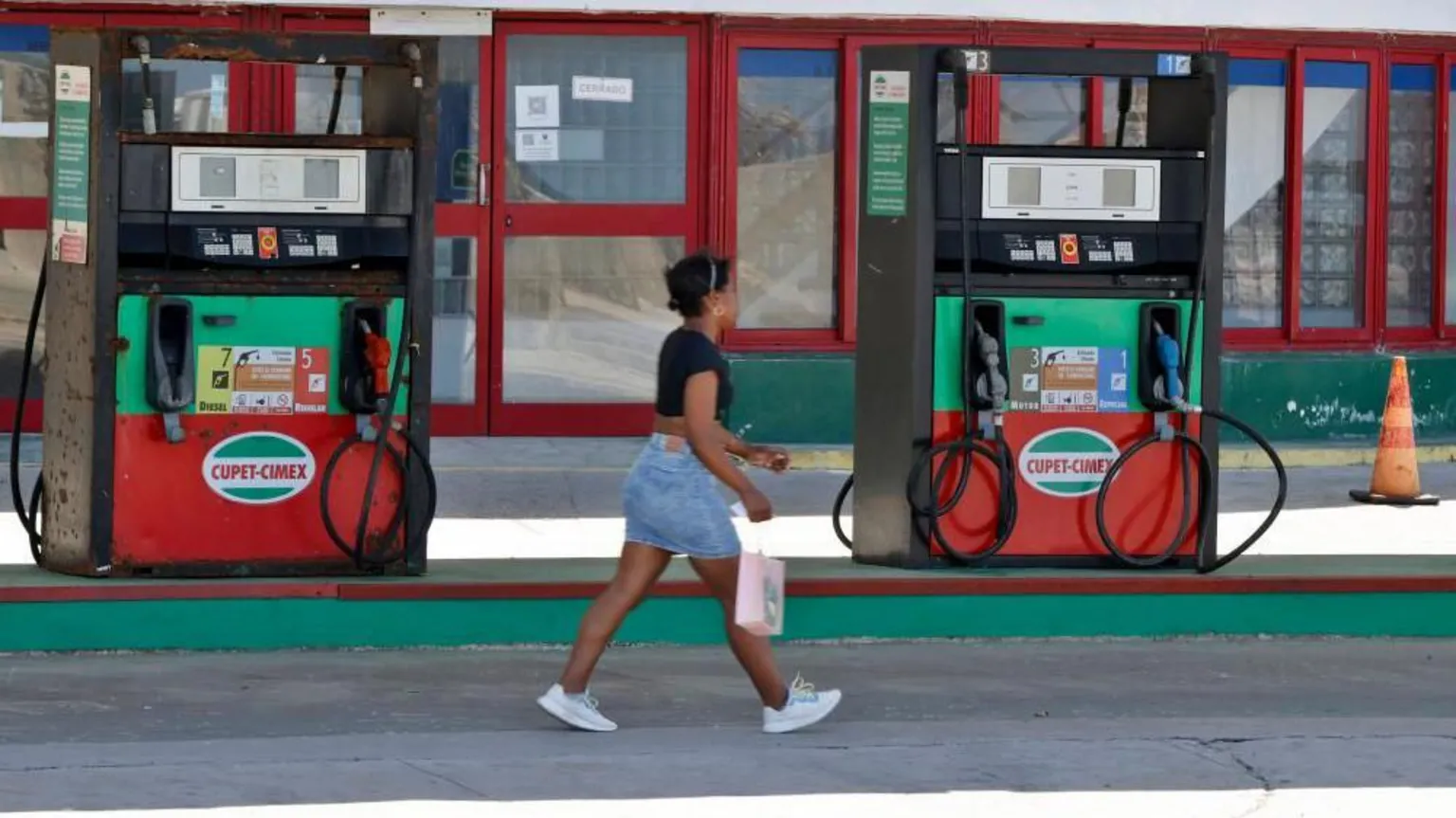
A Russian oil tanker has reached Cuban waters, delivering the first shipment to the island since January, according to Russian news agencies. The move follows remarks by US President Donald Trump suggesting a softening of the de facto fuel blockade imposed on Cuba earlier this year.
The tanker, Anatoly Kolodkin, is reported to carry a “humanitarian shipment” of 100,000 tonnes of crude oil, expected to offload at the Matanzas terminal in the coming hours. The arrival provides a critical lifeline to Cuba, which has faced nationwide blackouts and severe fuel shortages in recent months.
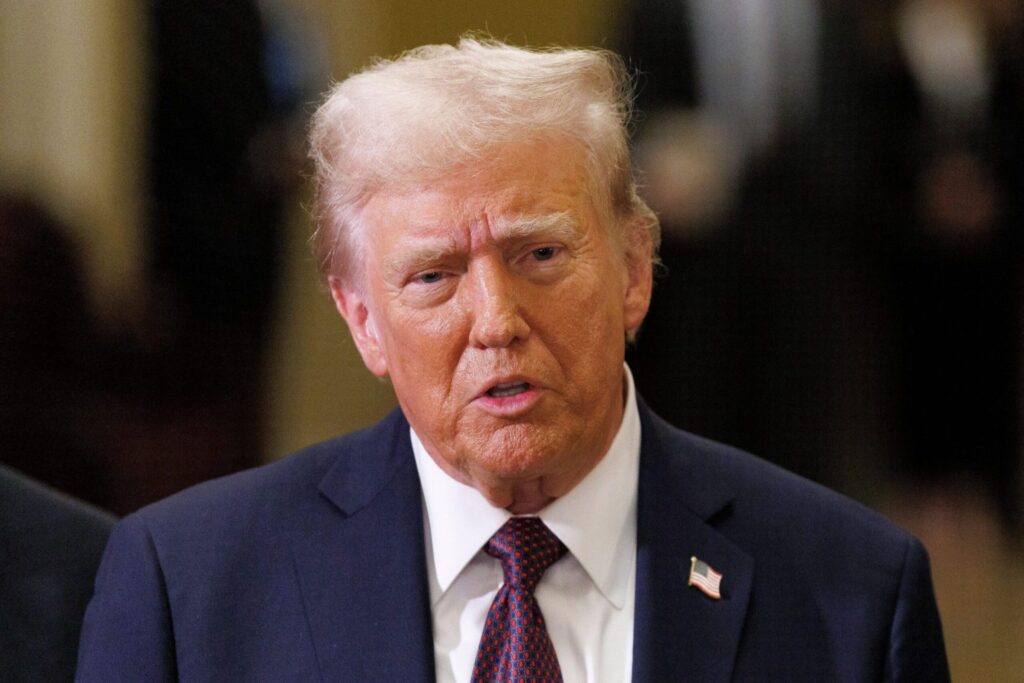
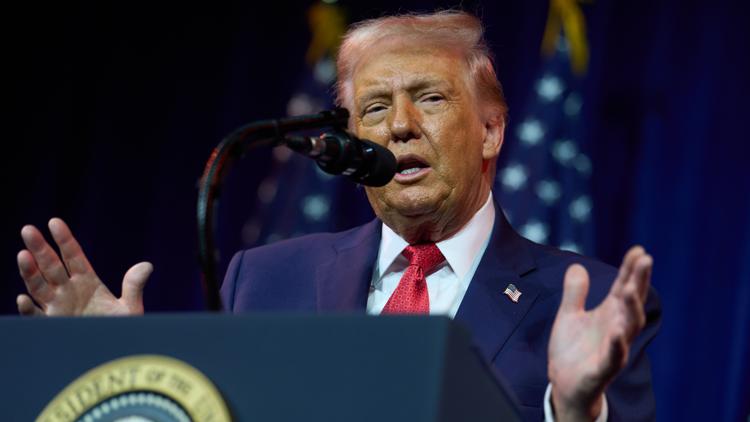
Trump indicated over the weekend that he had “no problem” with countries, including Russia, sending supplies to Cuba, a stark reversal from earlier threats to punish nations aiding the island. “We have a tanker out there. We don’t mind having somebody get a boatload because they need… they have to survive,” Trump said. Yet, he also criticized Cuba’s leadership, stating, “They have a bad regime. They have very bad and corrupt leadership, and whether or not they get a boat of oil it’s not going to matter.”
The shipment has been described by the Kremlin as an act of solidarity. Spokesman Dmitri Peskov said the aid was coordinated “well in advance… with our American counterparts.” Cuban authorities have framed the arrival as a symbolic break of the US-imposed blockade.
Cuba’s energy crisis has been intensified since 3 January, when US forces detained Venezuelan leader Nicolás Maduro, previously providing Cuba with oil under preferential terms. The situation has pushed Cuban hospitals to the brink, with the World Health Organization (WHO) warning that fuel shortages threatened emergency and intensive care services.
Cuba’s Communist government, led by President Miguel Díaz-Canel, has engaged in discussions with the Trump administration to find a solution, though both sides maintain firm political and economic positions. The crisis is compounded by reduced tourism and longstanding economic mismanagement, marking Cuba’s worst energy and economic emergency since the Cold War.