Now Reading: Snake Bite Didn’t Kill Ifunanya Nwangene, Nigeria’s Broken Health System Did — Netizens React
-
01
Snake Bite Didn’t Kill Ifunanya Nwangene, Nigeria’s Broken Health System Did — Netizens React
Snake Bite Didn’t Kill Ifunanya Nwangene, Nigeria’s Broken Health System Did — Netizens React

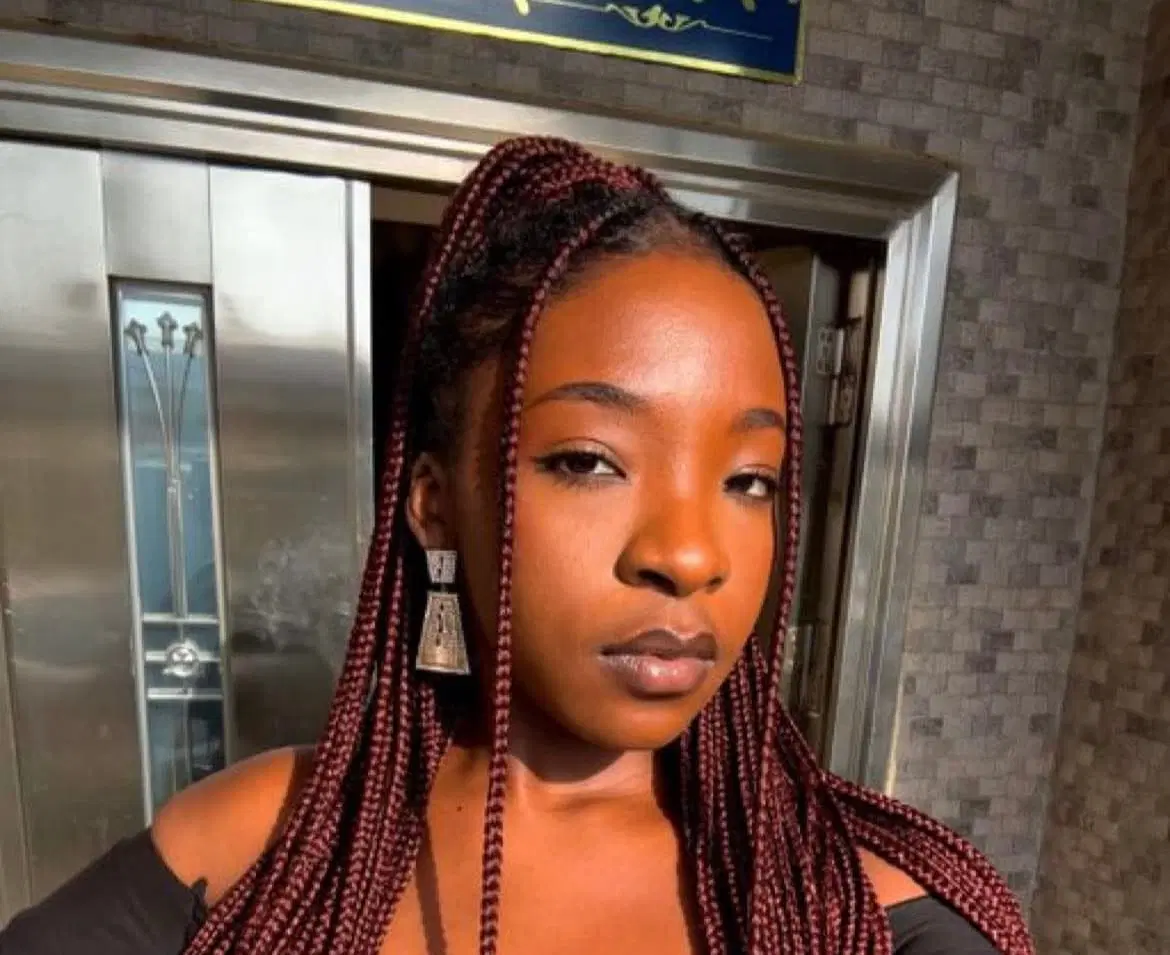
The death of Ifunanya Nwangene, a 26-year-old aspiring singer and former The Voice Nigeria contestant, has triggered widespread outrage online, with Nigerians blaming systemic healthcare failures rather than the snake bite that claimed her life.
Nwangene died on Saturday after being bitten by a snake at her residence in Abuja, the Federal Capital Territory. Reports say she was rushed to two hospitals, but neither facility reportedly had antivenom available to treat her condition.
As news of her death spread, social media platforms were flooded with reactions from Nigerians who described the incident as avoidable and emblematic of deeper structural problems in the country’s healthcare system.
Many netizens argued that the tragedy gained national attention only because of Nwangene’s visibility on social media, stressing that similar deaths occur daily across the country without public scrutiny. They insisted that in a country where snake bites are not uncommon, the absence of life-saving antivenom in hospitals is indefensible.
Popular medical influencer Aproko Doctor was blunt in his assessment, arguing that the system—not the snake—was responsible for her death. He noted that snake bites occur globally, including in countries like India and Australia, but fatalities are rare when health systems function properly.
He questioned why Echitab, an antivenom specifically developed for Nigerian snake species, was not available in hospital refrigerators. According to him, misplaced priorities have crippled basic healthcare delivery, with governments investing in infrastructure projects while neglecting primary healthcare, emergency response systems and ambulance services.
Human rights lawyer and activist Dele Farotimi also weighed in, describing the situation as a tragic reflection of national decline. He recalled that the University College Hospital (UCH), Ibadan, was once so reputable that it served foreign royalty in the 1950s and 1960s. He lamented that in 2026, Nigerians are dying from treatable conditions because hospitals lack basic medical supplies, while doctors continue to leave the country in large numbers.
An animal and nature enthusiast, Arojinle, echoed similar concerns, revealing that even some of Nigeria’s top medical facilities reportedly do not stock antivenom. He described cases where patients had to search through more than a dozen pharmacies before finding the drug, calling the situation alarming and unsustainable.
Ifunanya Nwangene rose to wider recognition after appearing on The Voice Nigeria in 2021 and later built a growing following on TikTok, where she shared her music and creative journey. Her death has since reignited conversations about emergency preparedness, access to essential medicines and the state of Nigeria’s public health system.
For many Nigerians, her passing is no longer just a personal tragedy—but a symbol of a system that failed when it mattered most.