Now Reading: South Korea’s Ex-President Yoon Suk Yeol Sentenced to Five Years Over Martial Law Bid
-
01
South Korea’s Ex-President Yoon Suk Yeol Sentenced to Five Years Over Martial Law Bid
South Korea’s Ex-President Yoon Suk Yeol Sentenced to Five Years Over Martial Law Bid

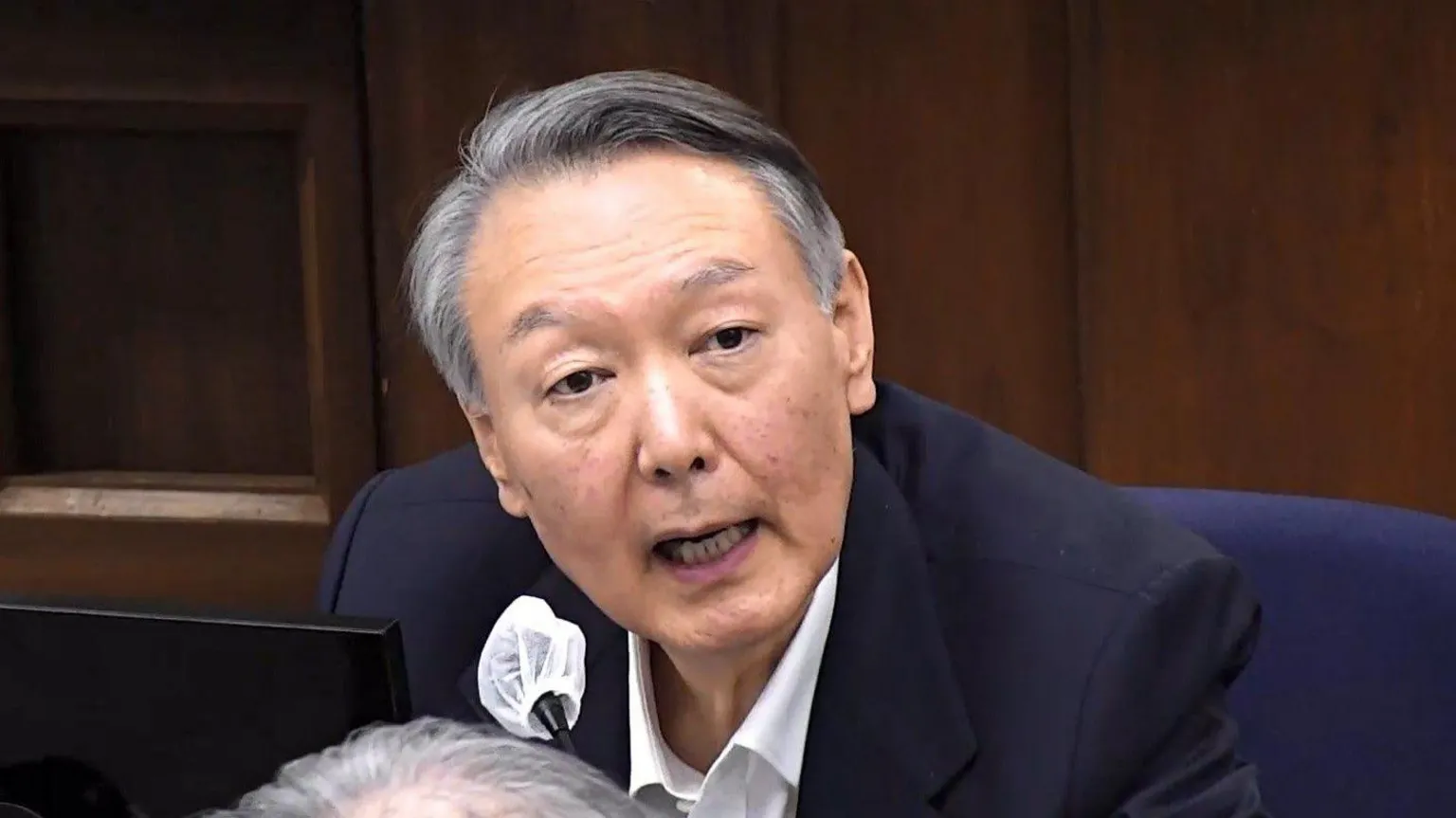
Former South Korean President Yoon Suk Yeol has been sentenced to five years in prison for abuse of power, obstructing justice, and falsifying documents connected to his failed attempt to impose martial law in 2024.
Yoon, who was impeached last year, was found guilty in the first of four trials stemming from his controversial decree, which briefly triggered nationwide turmoil and mass protests. Lawmakers rushed to the National Assembly to overturn his order, preventing a deeper constitutional crisis.
“The accused has the duty to safeguard the constitution and law but turned his back on them,” a judge said, noting that Yoon had “consistently shown no remorse” for his actions, which plunged the country into a political crisis.
Charges and Controversy
Yoon was convicted of:
Using presidential bodyguards to block his arrest
Failing to consult his full cabinet before declaring martial law
Drafting and destroying a falsified document claiming cabinet approval
Prosecutors had sought a 10-year sentence, while the judge imposed five years. Both sides have seven days to appeal.
The former president has denied wrongdoing, arguing that investigators lacked legal authority to probe or arrest him, and asserting that emergency powers do not require consultation with every cabinet member.
His most serious pending charge is insurrection, for which prosecutors are seeking the death penalty, with a verdict expected in February 2026.
Public Reaction and Political Fallout
About 100 Yoon supporters gathered outside the courthouse, waving South Korean flags and banners reading: “Yoon, again! Make Korea great again.” Some shouted at the judge during the livestreamed proceedings, while others remained solemn.
Despite the public unrest sparked by his martial law attempt, Yoon retains a significant base of supporters. A December 2025 survey indicated nearly 30% of South Koreans did not consider his actions an insurrection.
The political landscape has shifted dramatically since Yoon’s failed decree. Six months after the incident, opposition leader Lee Jae Myung won a decisive election victory, consolidating power and moving the country forward from the crisis.
Yoon’s sentencing revives debates about accountability, presidential powers, and deep political divisions in South Korea, where supporters see him as a martyr while critics warn of threats to democracy.