Now Reading: Tehran Protests Intensify as Trump Questions Iran’s ‘Capitulation’ Over Nuclear Deal
-
01
Tehran Protests Intensify as Trump Questions Iran’s ‘Capitulation’ Over Nuclear Deal
Tehran Protests Intensify as Trump Questions Iran’s ‘Capitulation’ Over Nuclear Deal

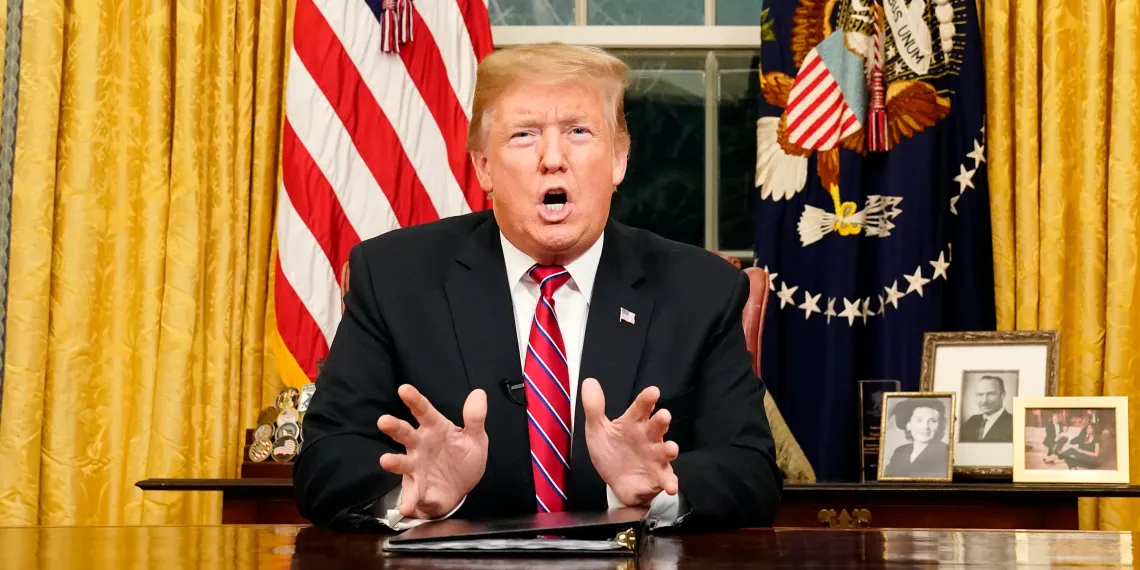
Tensions between the United States and Iran have escalated sharply after fresh student protests erupted across universities in Tehran, while President Donald Trump publicly questioned why Iran has not “capitulated” under mounting American pressure.
The unrest coincides with renewed diplomatic efforts over Iran’s nuclear programme and an increased US military presence in the Middle East.
Trump ‘Curious’ as Pressure Mounts
Trump’s special envoy, Steve Witkoff, said the president was not “frustrated” but puzzled that Tehran had not yielded despite what he described as overwhelming US leverage.
“Why, under this pressure, with the amount of sea power and naval power over there, why haven’t they come to us?” Witkoff said in a televised interview. He stopped short of repeating the word “capitulated” but suggested Washington expected clearer concessions over Iran’s nuclear ambitions.
In a swift response, Iran’s Foreign Minister Abbas Araghchi fired back on social media: “Curious to know why we do not capitulate? Because we are IRANIAN.”
University Campuses Become Flashpoints
Meanwhile, demonstrations flared for a second consecutive day at major universities in Tehran, including Amirkabir University of Technology and Sharif University of Technology.
Verified footage showed confrontations between pro-government supporters and anti-regime students. Some demonstrators reportedly called for the return of the monarchy and voiced support for Reza Pahlavi, the son of Iran’s last monarch.
Iran’s semi-official Fars news agency described chants at several campuses as “counter-revolutionary.” Protests also took place at Iran University of Science and Technology.
The demonstrations coincide with traditional 40-day mourning ceremonies for those killed during last month’s anti-government unrest. A university professor told local media that students were grieving friends who died in the January crackdown, urging demonstrators to avoid violence.
Military Build-Up Raises Stakes
The diplomatic tension unfolds against a backdrop of heightened US military deployments. The USS Gerald R. Ford carrier strike group is en route to the region to join another US carrier already stationed there, alongside dozens of combat aircraft.
Trump recently claimed that 32,000 people were killed during last month’s protests — a figure significantly higher than previously reported estimates.
Iran’s President Masoud Pezeshkian insisted Tehran remains committed to regional stability but warned that the country is closely monitoring US actions and has prepared for “any potential scenario.”
Nuclear Talks Continue Despite Rhetoric
Despite the sharp rhetoric, backchannel diplomacy remains active. Indirect talks between Witkoff and Araghchi have already taken place this month, with further discussions expected in Geneva later this week.
Araghchi said a draft counterproposal addressing both sides’ concerns could be ready within days, expressing cautious optimism that a diplomatic breakthrough remains possible.
“We continue negotiations,” he said. “We are working on the elements of a deal and the draft of a text.”
With protests spreading across university campuses and warships moving into position, the coming days may prove decisive for both Iran’s internal stability and the fragile prospects of a renewed nuclear agreement.