Now Reading: ‘Tinubu Can Rule Nigeria With the Military’ — Okonkwo Warns After Supreme Court Backs Rivers Emergency Rule
-
01
‘Tinubu Can Rule Nigeria With the Military’ — Okonkwo Warns After Supreme Court Backs Rivers Emergency Rule
‘Tinubu Can Rule Nigeria With the Military’ — Okonkwo Warns After Supreme Court Backs Rivers Emergency Rule

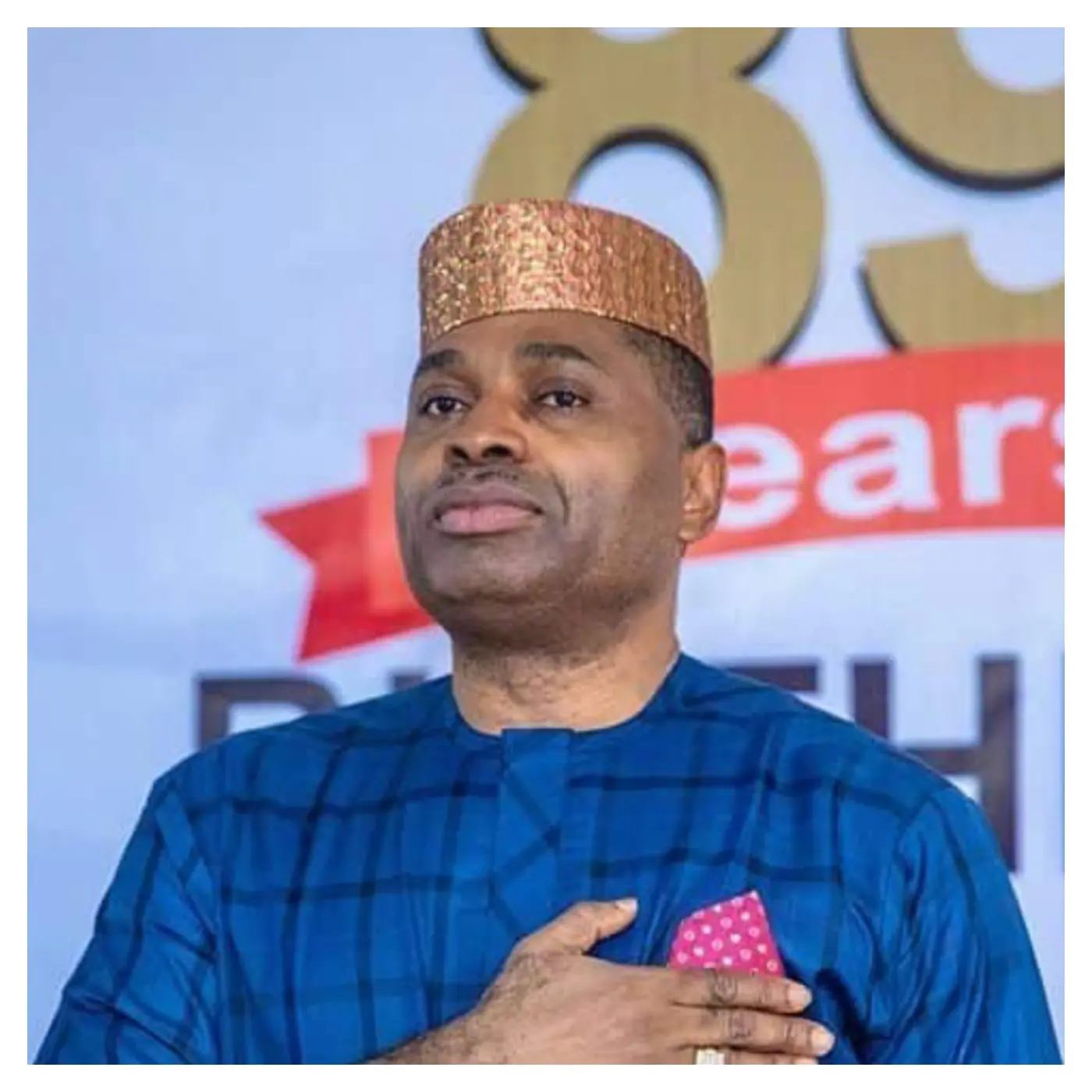
Kenneth Okonkwo, a chieftain of the African Democratic Congress (ADC) and former spokesperson of the Labour Party, has delivered a sharp rebuke of the Supreme Court’s verdict upholding President Bola Tinubu’s emergency rule in Rivers State, warning that the decision could have grave consequences for Nigeria’s democracy.
The Supreme Court on Monday affirmed the constitutional powers of the President to declare a state of emergency and suspend elected officials where there is a threat to law and order. The ruling followed a legal challenge by states governed by the Peoples Democratic Party (PDP) over President Tinubu’s decision to impose emergency rule in Rivers State, where elected officials were suspended for six months.
Speaking on Channels Television’s Sunrise Daily on Tuesday, Okonkwo argued that the apex court should have declined jurisdiction without making further pronouncements, insisting that its comments could widen executive powers beyond constitutional limits.
“What this means is that the President now has the right to suspend 36 governors at the same time,” Okonkwo said. “He can declare a state of emergency nationwide and rule Nigeria with the military for a limited period.”
In its judgment, the Supreme Court held that the President is empowered by the Constitution to declare a state of emergency in any state to prevent a breakdown of law and order or a slide into chaos and anarchy. The court also ruled that elected officials may be suspended during such a period, provided the action is time-bound.
Okonkwo, however, faulted both the substance and the method of the ruling. While acknowledging that the President has the authority to declare a state of emergency, he maintained that suspending elected officials goes beyond what the Constitution allows.
He also criticised the court for striking out the suit for lack of jurisdiction while still addressing substantive constitutional questions.
“They said they don’t have jurisdiction, so what they stated is technically an opinion,” he said. “But even an opinion from the Supreme Court still carries weight in legal matters.”
According to Okonkwo, the court should have stopped after declining jurisdiction, warning that additional commentary risks creating uncertainty within Nigeria’s constitutional order.
“As an apex court, they had the right to simply decline jurisdiction and say nothing more,” he added. “Anything beyond that throws the nation into confusion.”