Now Reading: Trump Envoy Heads to Kremlin for High-Stakes Talks on Ukraine Peace Deal
-
01
Trump Envoy Heads to Kremlin for High-Stakes Talks on Ukraine Peace Deal
Trump Envoy Heads to Kremlin for High-Stakes Talks on Ukraine Peace Deal

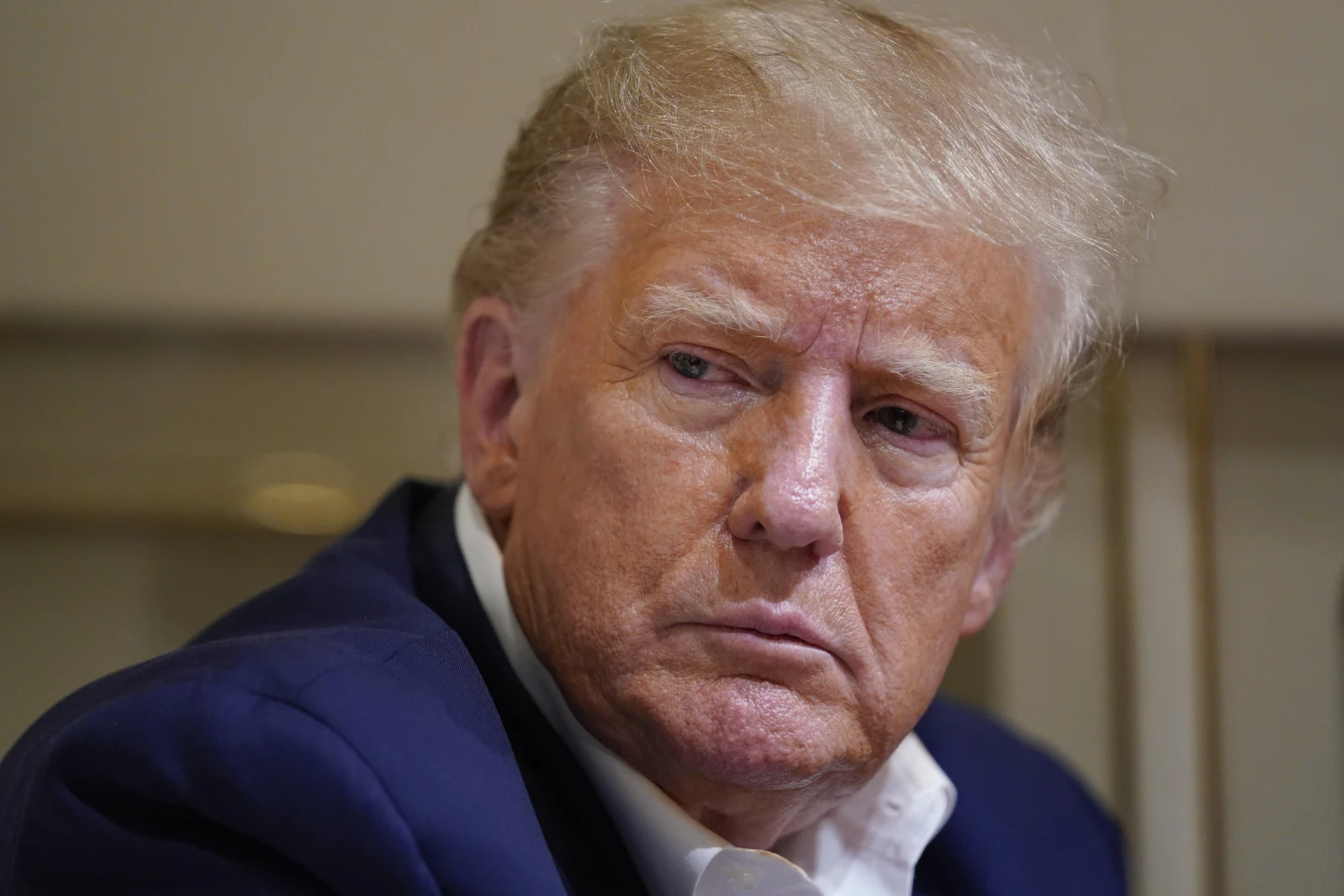
Fresh momentum has emerged around efforts to end Russia’s war in Ukraine as US President Donald Trump prepares to send his overseas envoy, Steve Witkoff, to the Kremlin for negotiations next week. The visit was confirmed by Vladimir Putin’s senior foreign policy adviser, Yuri Ushakov, signalling a rare moment of direct engagement between Washington and Moscow on a potential ceasefire framework.
Kyiv announced on Tuesday that it had reached a “common understanding” with the White House on the broad shape of a possible settlement—an agreement that appears to have accelerated diplomatic manoeuvres on all sides. Trump revealed that alongside Witkoff’s Moscow trip, US Army Secretary Dan Driscoll had been dispatched to Ukraine for parallel talks.
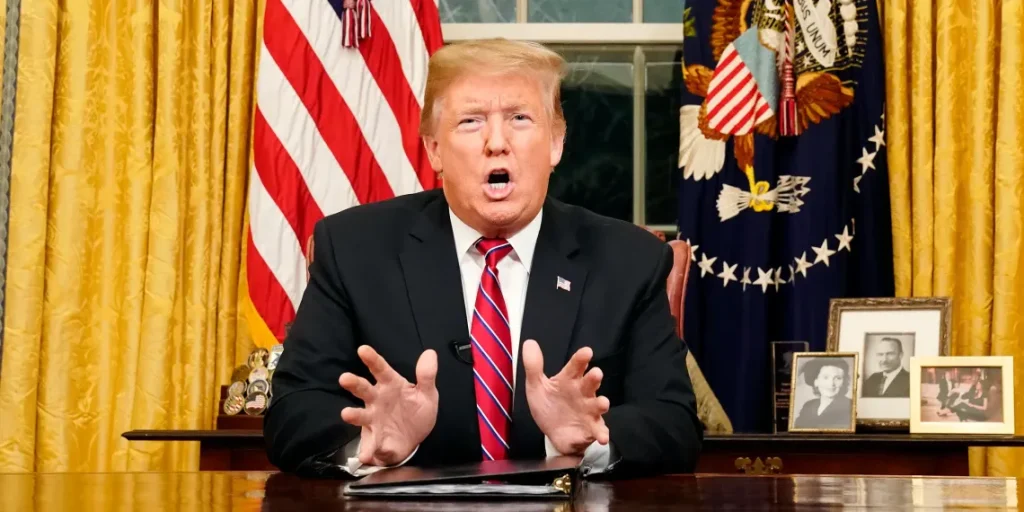
The developments follow the leak of a 28-point draft peace plan last week. President Trump said the proposal has since been “fine-tuned” after receiving fresh input from both Kyiv and Moscow. He also hinted that his son-in-law, Jared Kushner, may join the Kremlin discussions, describing the expected talks as “standard negotiation”.
Trump told reporters the deal would likely involve mutual land concessions and efforts to “clean up the border,” although he insisted he had given no deadline for an agreement, adding: “The deadline for me is when it’s over.”
Russia reacted cautiously. Foreign Minister Sergei Lavrov said the original US framework had been viewed positively in Moscow, but warned the situation would “fundamentally change” if Washington had made substantial amendments. As of Tuesday morning, the Kremlin said it had not yet received the revised plan.
Despite this, senior officials from the US and Russia held quiet meetings in Abu Dhabi earlier in the week. Major sticking points remain unresolved, including security guarantees for Ukraine and the status of contested regions in the east.
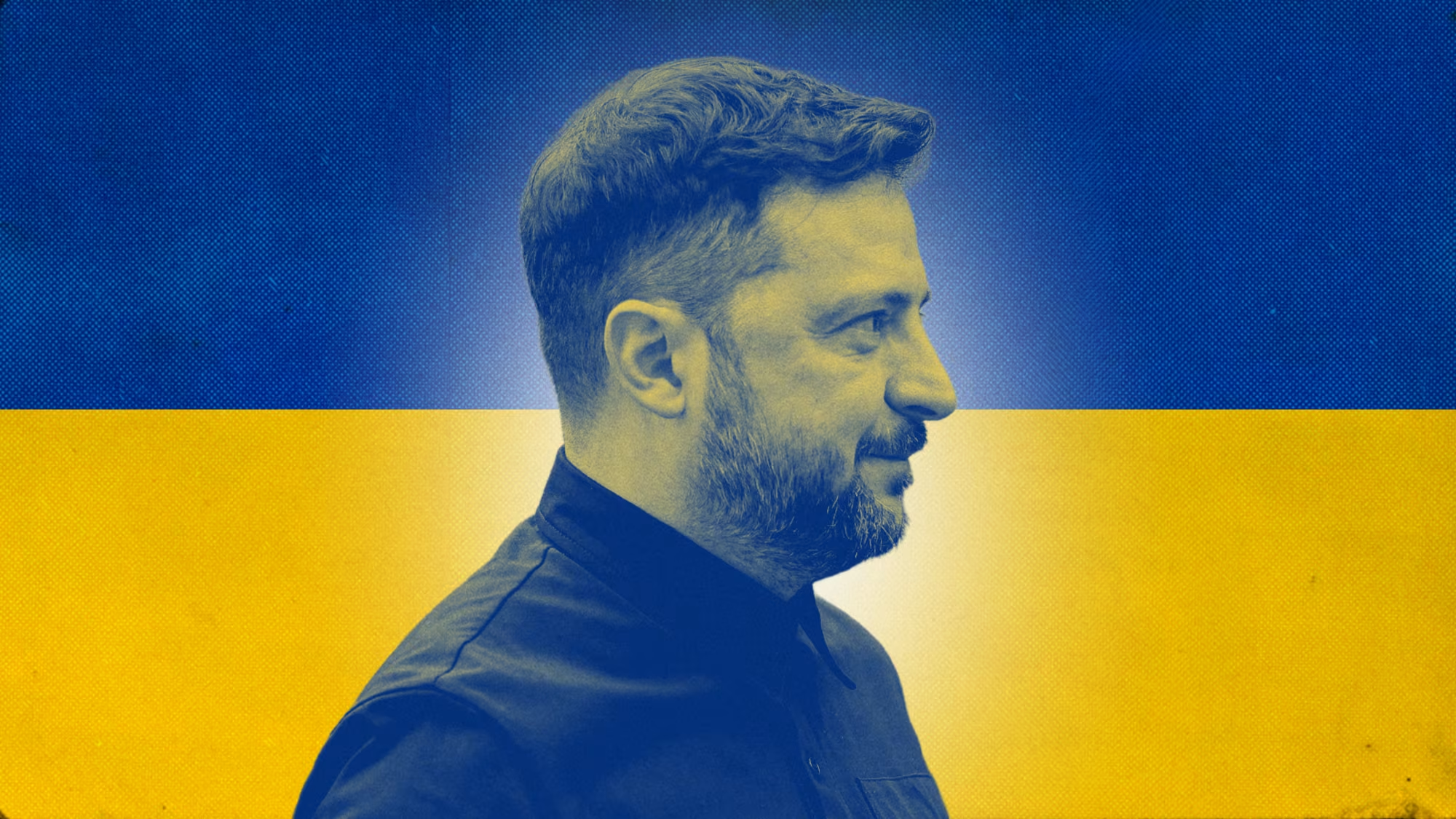
President Volodymyr Zelensky confirmed he is seeking a face-to-face meeting with Trump before the end of the month to address “sensitive points” still dividing both sides. He said Ukraine is counting on “active cooperation with America,” noting Russia pays “the greatest attention to American strength.”
European leaders remain deeply sceptical. French President Emmanuel Macron said he had seen “no Russian will for a ceasefire,” while the UK government warned there was still “a long way to go” before meaningful progress could be achieved.
The leaked draft plan—widely criticised in Europe—initially suggested Ukraine would cede some territories, scale back its military, and refuse NATO membership. Putin said that version could serve as a “basis” for a deal, while Zelensky dismissed it as a choice between maintaining US support and losing national “dignity.” Ukrainian officials later confirmed several controversial provisions had been removed.
Diplomatic activity has surged in recent days. On Tuesday, Macron and UK Prime Minister Sir Keir Starmer co-chaired a meeting of the “coalition of the willing,” a grouping of Ukraine’s international backers exploring security guarantees and even the outline of a potential peacekeeping force. US Secretary of State Marco Rubio also joined the call.
Meanwhile, hostilities continued on the ground. Both Russia and Ukraine reported overnight strikes in the Zaporizhzhia region, injuring civilians and leaving tens of thousands without electricity. Over four years of war have left tens of thousands of soldiers dead and forced millions to flee their homes.
Trump has said he hopes to meet both Zelensky and Putin “soon,” but only once a peace agreement is in its final stages. Whether the upcoming Kremlin meeting will shift momentum remains uncertain—yet it marks a significant moment in Washington’s attempt to broker the most consequential peace deal of the decade.