Now Reading: Trump Orders Strike on ISIS in Nigeria, Claims It Targets Christians — Experts Warn Reality Is More Complex
-
01
Trump Orders Strike on ISIS in Nigeria, Claims It Targets Christians — Experts Warn Reality Is More Complex
Trump Orders Strike on ISIS in Nigeria, Claims It Targets Christians — Experts Warn Reality Is More Complex

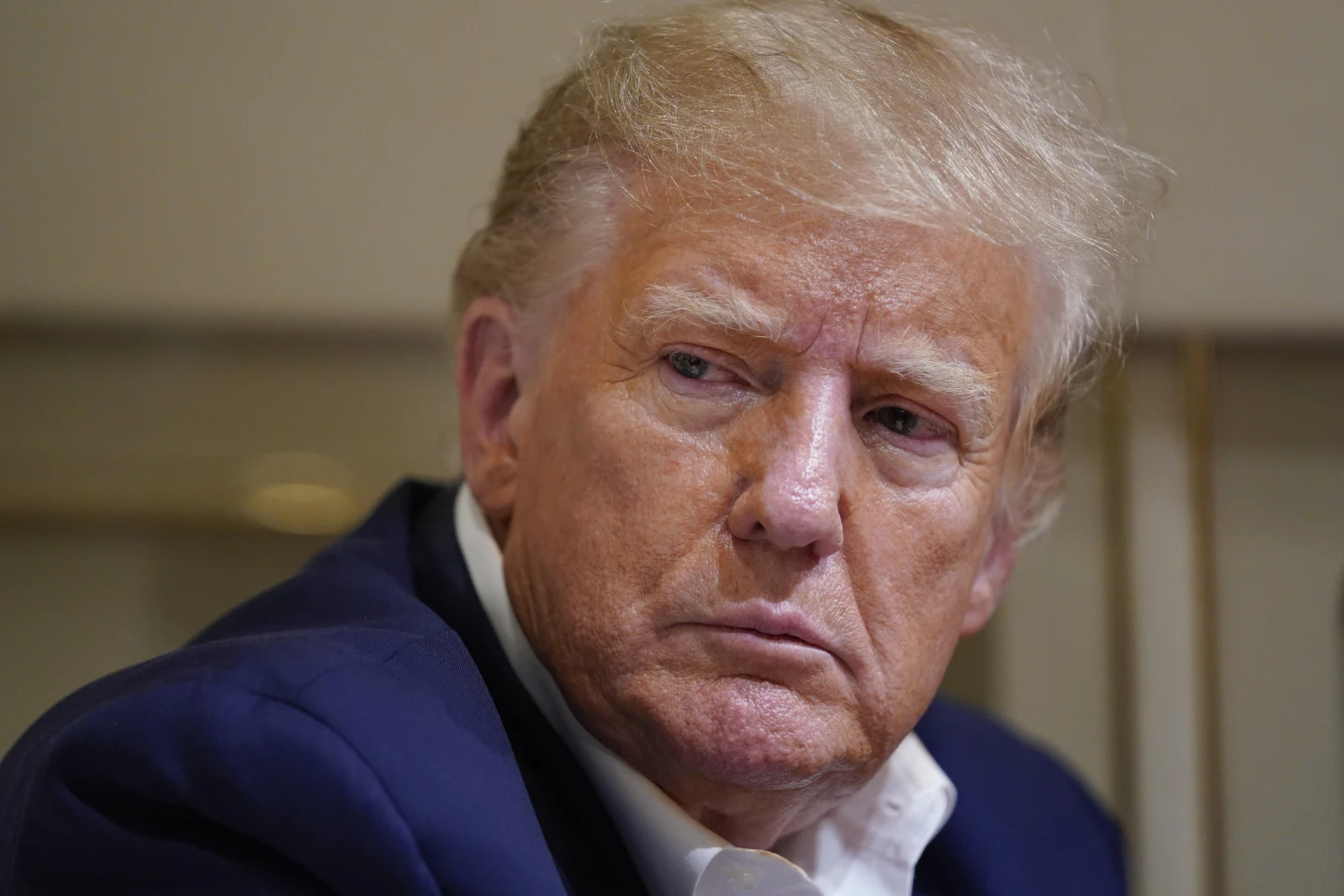
US President Donald Trump authorized a military strike against Islamic State (ISIS) positions in northwest Nigeria on Christmas Day, framing the operation as a response to violence against Christians. However, analysts say the situation is far more nuanced, affecting communities across religious lines.
The strike, carried out in Sokoto State along the border with Niger, targeted ISIS camps in the Bauni Forest of the Tangaza area. US Africa Command (AFRICOM) said the operation, coordinated with Nigerian authorities, resulted in the elimination of multiple ISIS militants.
Trump later told Politico that the attack was originally scheduled for December 24 but delayed by a day to “give a Christmas present” to the terrorists. “They didn’t think that was coming, but we hit them hard. Every camp got decimated,” he said.
Nigerian President Bola Ahmed Tinubu approved the operation after discussions between Nigerian officials and US Secretary of State Marco Rubio. Nigerian Foreign Minister Yusuf Tuggar emphasized that Nigeria’s goal is to combat terrorism broadly, regardless of victims’ religion.
A Long-Standing Security Challenge
Nigeria has faced persistent security threats for years, fueled by extremist groups and intercommunal violence. Christians, predominantly in the south, and Muslims, mainly in the north, have both suffered from attacks, highlighting the complexity of the nation’s security landscape.
Experts caution that while Trump’s rhetoric frames the violence as specifically targeting Christians, ISIS and other militant groups have repeatedly attacked Muslims, Christians, and secular communities alike. Tuggar reiterated that Nigeria’s mission is “to stop the terrorists from killing innocent Nigerians, be they Muslim, Christian, atheist, or whatever religion.”
The US strike comes after Trump repeatedly threatened to suspend aid to Nigeria over the treatment of Christians, calling on his Secretary of Defense to “prepare for possible action” against Africa’s most populous country in November 2025.
Security analysts note that while the strike may have dealt a tactical blow to ISIS, the broader problem of extremist violence in Nigeria remains a significant challenge, requiring sustained local and international cooperation.