Now Reading: Trump Seeks to Shift India from Russian to Venezuelan Oil, But Obstacles Remain
-
01
Trump Seeks to Shift India from Russian to Venezuelan Oil, But Obstacles Remain
Trump Seeks to Shift India from Russian to Venezuelan Oil, But Obstacles Remain

Washington, D.C. – February 4, 2026 – President Donald Trump has struck a deal with India aiming to redirect its oil imports from Russia to Venezuela and the United States, in a strategy designed to weaken Russian funding for its war in Ukraine. The plan, however, faces significant hurdles due to Venezuela’s underdeveloped oil infrastructure and India’s reliance on discounted Russian crude.
Venezuela’s oil potential
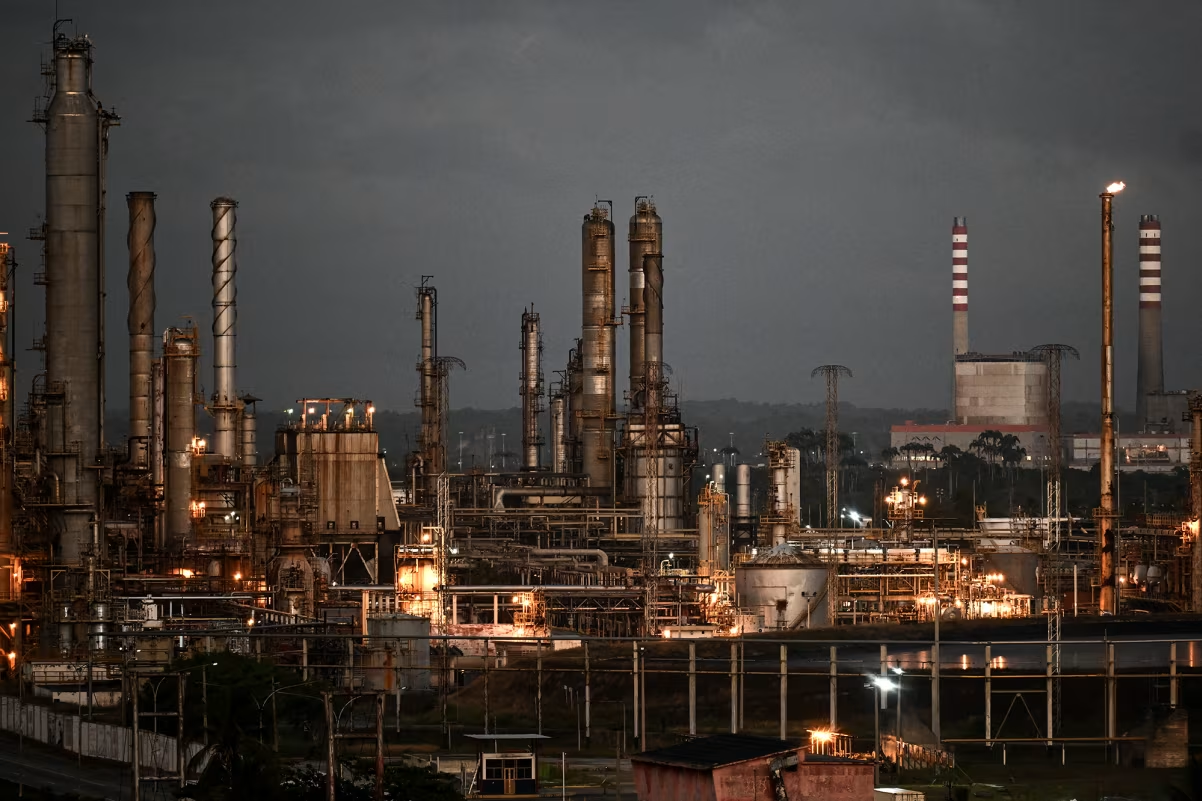
Venezuela sits on the world’s largest proven oil reserves, including heavy, sour crude similar to Russian Urals oil—ideal for diesel, fuel oil, asphalt, and other industrial products. Trump’s administration has encouraged US oil companies to invest in Venezuela after the capture of President Nicolás Maduro in early January, and recent legal reforms aim to revive the country’s dilapidated oil sector.
Industry experts note, however, that Venezuela currently produces just over 1 million barrels per day, with most shipments going to China. Restoring production to pre-1999 levels of over 3 million barrels would require decades of investment, political stability, and cooperation from major oil companies—conditions that remain uncertain.
India’s logistical and economic challenges
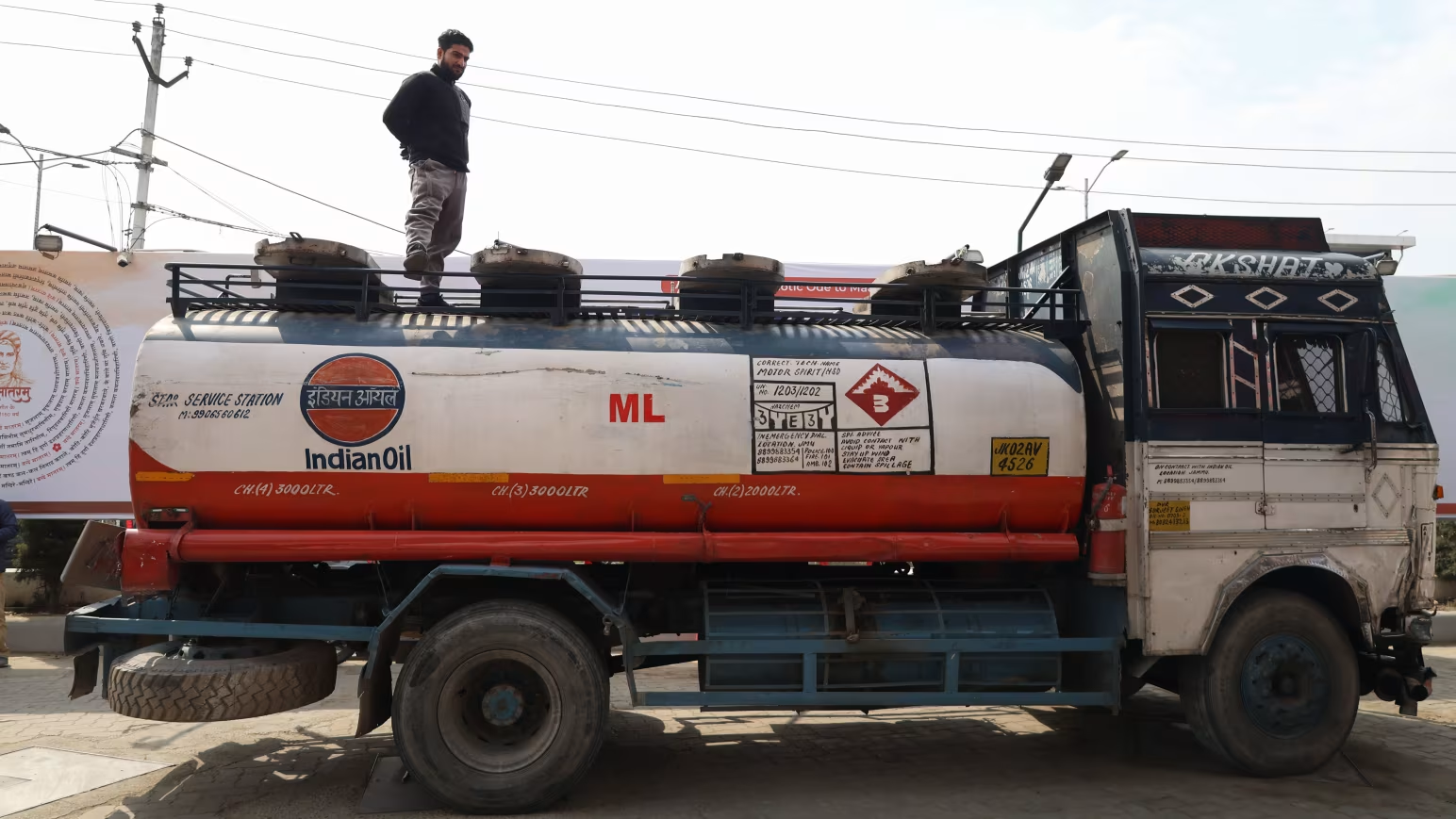
Even if Venezuela increased output, India could not immediately abandon Russian oil. The nation imports around 1.5 million barrels of Russian crude per day, and its refineries are configured for Russian-type oil. Venezuelan shipments would require costly infrastructure adjustments and a price premium over discounted Russian crude, currently around $16 per barrel cheaper than OPEC or US oil.
While India has reduced Russian imports, analysts suggest this may be a negotiating tactic for better trade terms with the US rather than a permanent shift. Experts also highlight India’s historical use of “shadow fleets” to bypass sanctions, making a full transition away from Russian oil unlikely in the short term.
Strategic implications for Russia
Redirecting Indian oil demand toward Venezuela could eventually strain Russia’s economy, which has already been impacted by sanctions and falling oil prices. However, Russian resilience—bolstered by domestic manufacturing, alternative shipping routes, and tax measures—means that losing India as a customer is unlikely to be a decisive blow.
Trump’s strategy represents a long-term attempt to use Venezuela’s oil reserves to undermine Russian revenue streams and reshape global energy supply chains. Success depends on substantial investment in Venezuelan oil production and India’s willingness to commit to a gradual transition from Russian crude.