Now Reading: VeryDarkMan Slams Wizkid for Disrespecting Fela Kuti, Defends Afrobeat Legacy
-
01
VeryDarkMan Slams Wizkid for Disrespecting Fela Kuti, Defends Afrobeat Legacy
VeryDarkMan Slams Wizkid for Disrespecting Fela Kuti, Defends Afrobeat Legacy


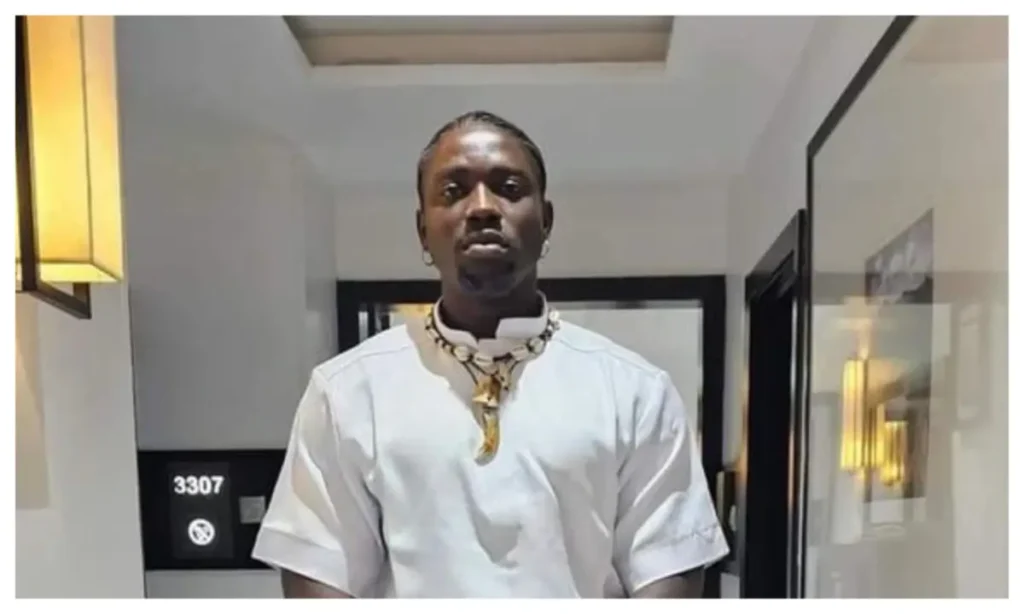
Social media influencer VeryDarkMan (VDM) has criticised Afrobeat superstar Wizkid for allegedly insulting music legend Fela Kuti, sparking renewed debate over the recognition of Nigerian music icons.
In a viral video released on Thursday, VDM accused Nigerians of failing to honour their musical pioneers, contrasting this with other countries that celebrate legendary artists. He claimed that veteran musicians who speak on national or industry issues are often dismissed or insulted.
Highlighting a list of influential Nigerian artists—including Eldee the Don, African China, Psquare, Tony Tetuila, Jazzman Olofin, 9ice, Vector, Sasha P, Asa, Weird MC, 2Face Idibia, and Blackface—VDM criticised the tendency to label them as “past glory” rather than celebrate their contributions.
VDM specifically called out Wizkid’s comments and warned that they had prompted some fans to disrespect Fela Kuti. While acknowledging that artistic disagreements are natural, VDM stressed that Wizkid should have handled the situation more respectfully.
Addressing the ongoing comparisons between Wizkid and Fela Kuti, particularly regarding Grammy Awards, VDM rejected claims that Wizkid’s 2021 Grammy win—shared as a featured artist on Beyoncé’s “Brown Skin Girl”—elevated him above the late Afrobeat pioneer. He argued that Beyoncé’s influence, rather than Wizkid’s solo artistry, largely contributed to the award.
VDM contrasted this with the individual Grammy achievements of Burna Boy and Tems, whose awards he said were earned solely through their artistic contributions. He referenced Burna Boy’s Best Global Music Album win for Twice As Tall and Tems’ multiple Grammy victories as examples of merit-based recognition.
The influencer also defended Fela Kuti against criticisms of his personal life, particularly his multiple marriages, questioning why historical figures like King Solomon are celebrated despite similar controversies.
VDM concluded that Wizkid has not surpassed Fela Kuti or other members of the Kuti dynasty—including Femi, Seun, and Made Kuti—whose influence on African music and global culture remains unparalleled.