
Now Reading: Why Bangladesh, Home to Tigers and Record Beaches, Still Struggles to Draw Tourists
-
01
Why Bangladesh, Home to Tigers and Record Beaches, Still Struggles to Draw Tourists
Why Bangladesh, Home to Tigers and Record Beaches, Still Struggles to Draw Tourists

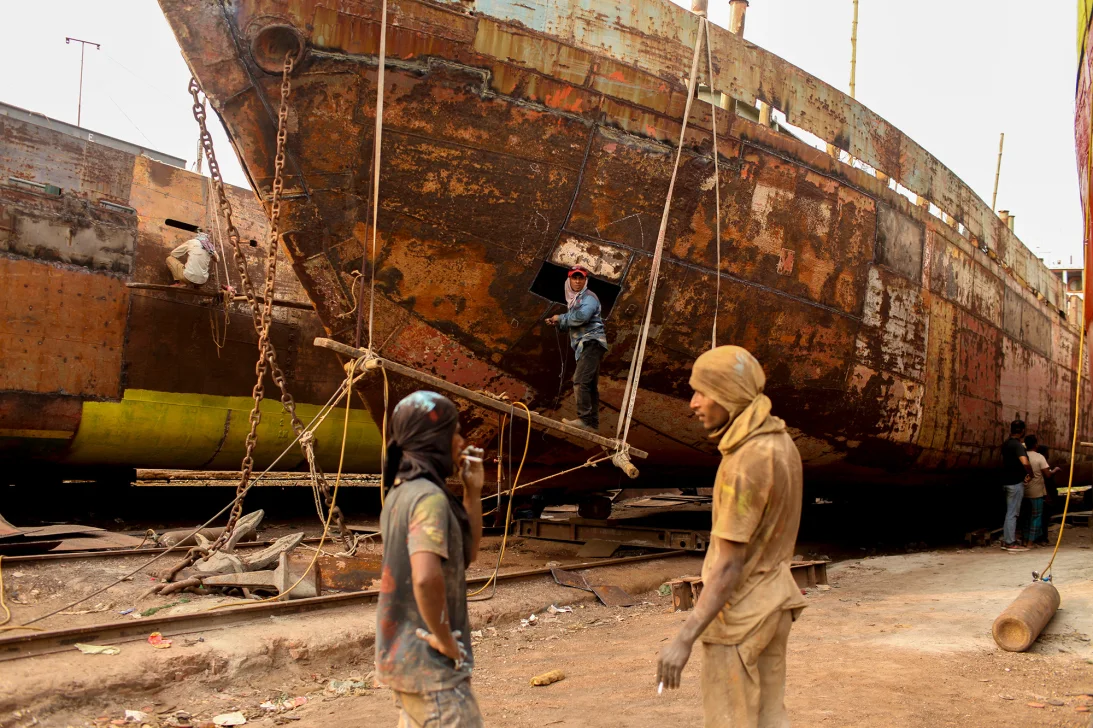
Bangladesh has the kind of natural diversity that most travel brochures would kill for: vast mangrove forests, rolling tea-covered hills, and what is often described as the world’s longest natural sea beach.
Yet the South Asian nation remains largely overlooked by international travellers. In 2024, the Bangladesh Tourism Board recorded just 650,000 international visitors, a tiny fraction compared with neighbours such as India and Sri Lanka.
A Rich Landscape, But a Weak Global Image
Despite a population of more than 170 million people and cities teeming with culture and commerce, Bangladesh has struggled to break through as a mainstream tourist destination. Many tour operators say the country’s biggest obstacle is perception.
“I think there’s a subconscious association of the country with natural disasters,” says Jim O’Brien, director of Native Eye Travel, which has run tours in Bangladesh since 2017. “We only ever hear about the country for the wrong reasons.”
Local tourism operators argue these perceptions hide the country’s potential and the kinds of experiences modern travellers crave.
What Bangladesh Has to Offer
Tour operators point to a range of attractions that could lure more visitors. Dhaka, with its 24 million residents, is one of the world’s most densely populated cities and offers a glimpse into the vibrant life of urban Bangladesh.
Further north, Sreemangal’s tea plantations stretch towards the Himalayas, while the coastline boasts Cox’s Bazar, a 75-mile stretch of white sand often billed as the world’s longest natural sea beach.
“Travelers want to have local experiences; they want to see real local life in Bangladesh,” says Fahad Ahmed, founder of Bengal Expedition Tours. “Tourism here is still developing, but there’s so much potential.”
Ahmed adds that Bangladesh is becoming easier to visit, thanks to visa-on-arrival for many nationalities, new hotel developments in Dhaka, and more international tour operators adding the country to their itineraries. The challenge, he says, is selling it.
The Weight of a Negative Reputation
For many Western travellers, Bangladesh remains a blank spot on the map, associated more with textile manufacturing than tourism. Anand Patel, a British tourist who visited in November 2025, said friends questioned his choice to travel there.
“When I told people I was going there, one person basically said: ‘Why? People leave Bangladesh to come here!’” he told CNN Travel.
“Bangladesh’s reputation in the West is one of a producer nation — especially textiles — and only makes the news when there are floods or uprisings. It’s a negative perspective. As a result, the country passes under the radar as a destination.”