Now Reading: Wike: Nigeria Needs Democracy That Delivers Real Dividends Beyond Elections
-
01
Wike: Nigeria Needs Democracy That Delivers Real Dividends Beyond Elections
Wike: Nigeria Needs Democracy That Delivers Real Dividends Beyond Elections

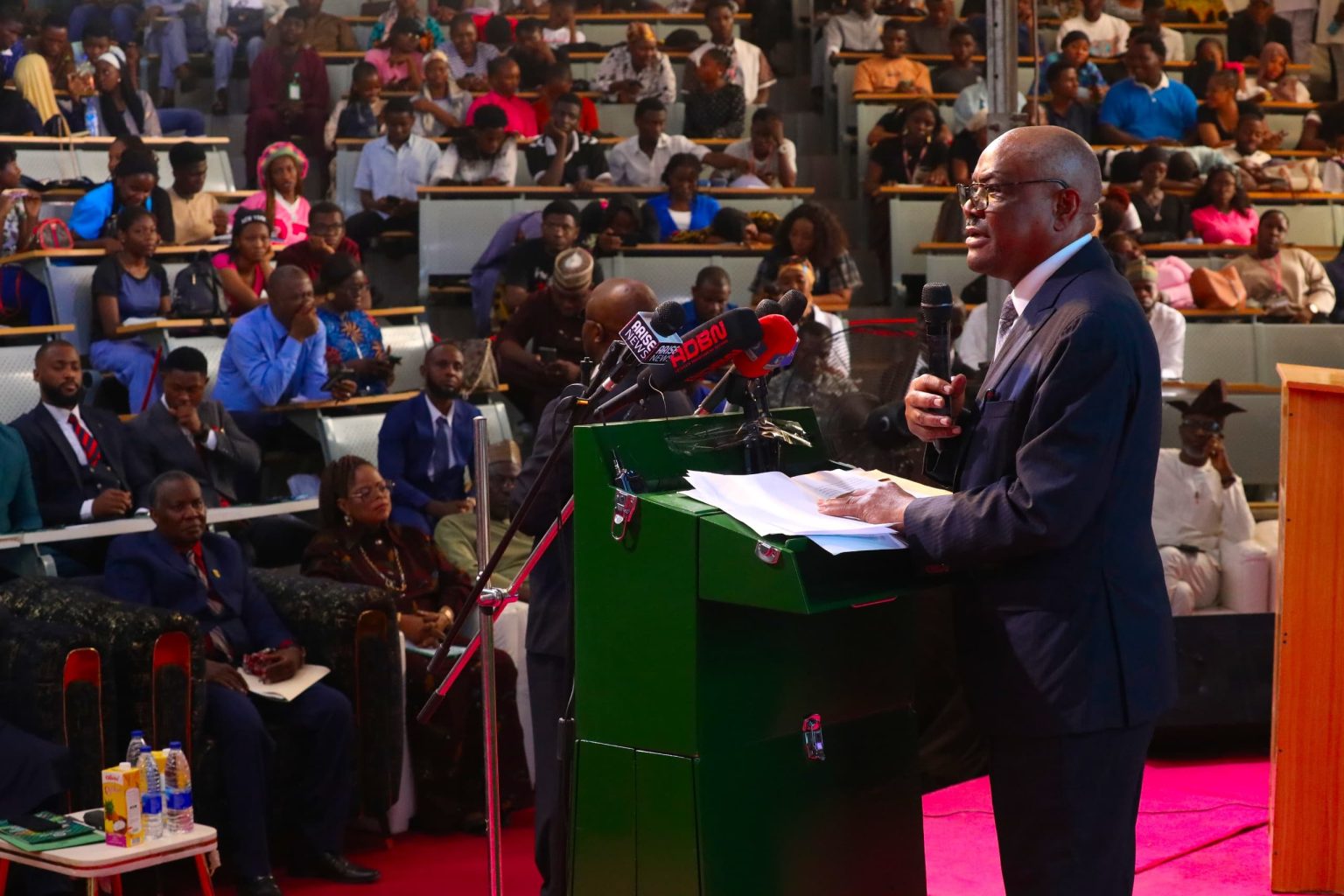
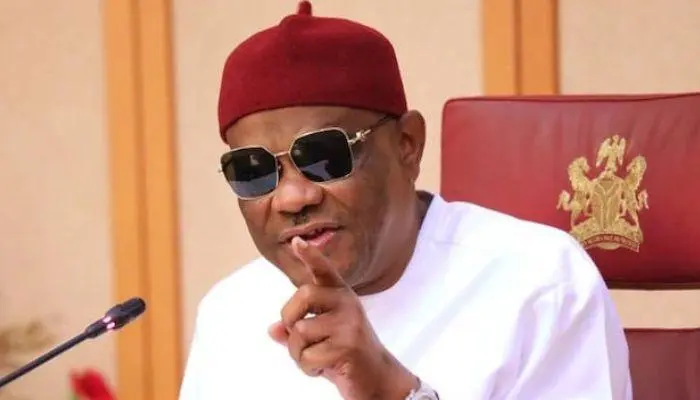
Minister of the Federal Capital Territory, Nyesom Wike, has urged Nigerians to demand a democracy that goes beyond mere electoral exercises, insisting that true democratic governance must deliver accountability, transparency, and tangible improvements in citizens’ daily lives.
Speaking at the University of Abuja during a Distinguished Personality Lecture at the Faculty of Social Sciences on Tuesday, Wike stressed that infrastructure development—roads, hospitals, schools, and power supply—remains the clearest measure of good governance.
Democracy Beyond Ballot Boxes
Titled “The Impact of Political Leadership on Infrastructural Development in Nigeria: Between Dividends of Democracy and Good Governance,” Wike’s lecture examined Nigeria’s democratic journey since 1999, questioning whether political freedom has consistently translated into better living standards for citizens.
“The democracy Nigeria requires must manifest in everyday accountability, transparency, and active citizen participation,” Wike said. “It must treat public office not as a privilege to be exploited, but as a sacred trust to be honoured; not as an avenue for personal enrichment, but as a platform for collective transformation.”
He added that citizens’ trust erodes when infrastructure fails, noting, “For the ordinary citizen, democracy must mean roads that work, hospitals that heal, water that runs, and security that reassures.”
Leadership and Governance as the Engine of Progress
Wike argued that purposeful political leadership is the bridge between democratic ideals and real-world infrastructure development. According to him, elections alone cannot guarantee good governance—institutions must function efficiently, and government must remain responsive to citizens’ legitimate expectations.
“Good governance is the engine that drives this aspiration,” he said, “ensuring that institutions function efficiently and equitably, and that government remains responsive to the needs, dignity, and legitimate expectations of the people.”
The lecture comes amid ongoing national debates about the quality of democracy in Nigeria and how effectively political leaders translate electoral victories into societal progress.