Now Reading: Young Americans Turn to ‘Chinamaxxing,’ Boosting China’s Soft Power Influence
-
01
Young Americans Turn to ‘Chinamaxxing,’ Boosting China’s Soft Power Influence
Young Americans Turn to ‘Chinamaxxing,’ Boosting China’s Soft Power Influence

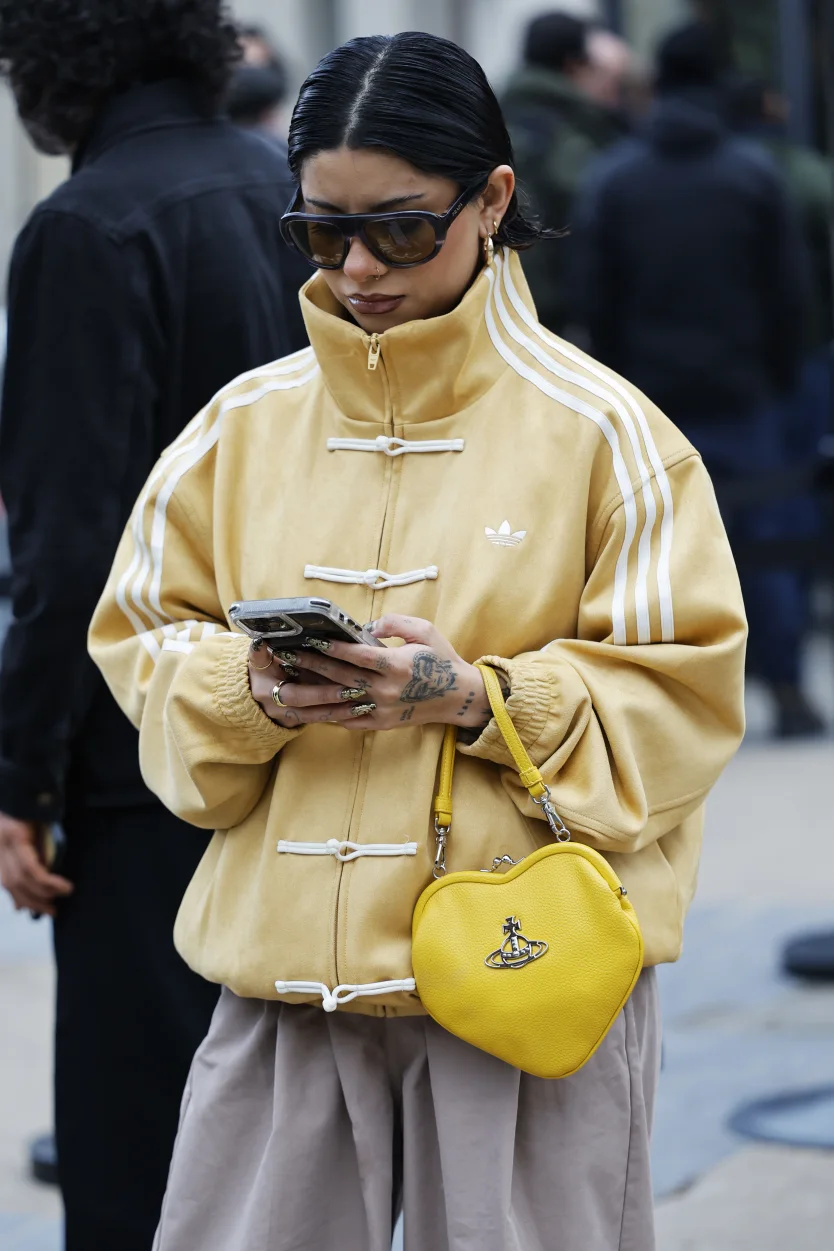
A growing trend among young Americans, dubbed “Chinamaxxing,” is sparking fascination with Chinese culture and inadvertently strengthening China’s cultural influence abroad. Social media videos show Western users adopting Chinese-inspired routines, from brewing traditional teas to practicing exercises, and donning fashion reminiscent of historic Chinese attire.
TikTok videos under the trend have gone viral, with some racking up millions of views. One user showcased a morning routine labelled “as a new Chinese baddie,” performing traditional exercises, while another boiled apples to create a supposed ancient Chinese elixir for gut health.
Experts say the trend marks a notable expansion of Chinese soft power, mirroring the global impact of South Korean K-pop, K-dramas, and Japanese cultural exports over the past decade. Tianyu Fang, a PhD student at Harvard University, notes that China is gaining ground in cultural influence through film, video games, fashion, and even collectibles such as Labubu figures.
“For the longest time, there was discussion that China didn’t wield as much soft power as South Korea or Japan,” Fang said. “Now we see that changing rapidly – Chinese films, video games, and smaller cultural products are reshaping perceptions of China in the US and across the West.”
Fashion is also playing a role, with Chinese-inspired designs appearing in major global events such as Paris Fashion Week. Western consumers are increasingly blending traditional Chinese aesthetics into daily wear, further cementing cultural visibility.
The trend illustrates how social media can amplify niche cultural practices into global phenomena, while also demonstrating the subtle influence of Chinese soft power on youth attitudes abroad.