Now Reading: 2027 Elections: Mixed Reactions Trail APC’s Muslim-Muslim Ticket as Afenifere Urges Focus on Governance
-
01
2027 Elections: Mixed Reactions Trail APC’s Muslim-Muslim Ticket as Afenifere Urges Focus on Governance
2027 Elections: Mixed Reactions Trail APC’s Muslim-Muslim Ticket as Afenifere Urges Focus on Governance

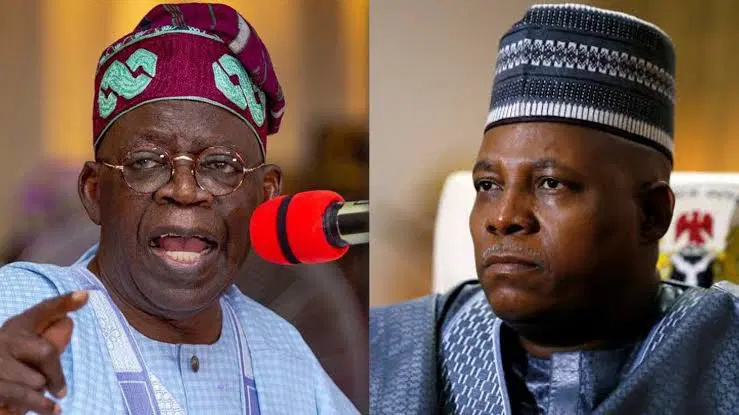
Fresh debate has erupted over the All Progressives Congress (APC) retaining its Muslim-Muslim presidential ticket for the 2027 general election, with political stakeholders sharply divided over whether religion should influence leadership choices or whether competence should remain the deciding factor.
The renewed controversy comes amid growing speculation that President Bola Tinubu and Vice President Kashim Shettima will once again contest the presidency on the APC platform in 2027. While some Nigerians have renewed concerns about religious balance, others insist the country’s pressing challenges demand a stronger focus on performance rather than faith.
Weighing in on the discussion, the National Organising Secretary of Afenifere, Abagun Kole Omololu, said the pan-Yoruba socio-political organisation has consistently maintained that governance, not religion, should dominate Nigeria’s political discourse.
According to Omololu, Afenifere is not a religious organisation but one established to defend and promote the collective interests of the Yoruba people while advancing democracy, justice, equity and good governance. He argued that most Nigerians are more concerned about insecurity, the rising cost of living, unemployment, healthcare, education and accountable leadership than the religious identity of elected officials.
He added that Nigeria’s political history demonstrates that competence has often outweighed religious considerations. Omololu pointed to the administration of former Lagos State Governor Lateef Jakande and his deputy, Rafiu Jafojo, both Muslims, noting that despite governing a state with a large Christian population, their tenure is still regarded as one of the country’s finest examples of people-focused leadership.
The Afenifere chieftain also referenced the 1979 presidential election, recalling that Chief Obafemi Awolowo selected Chief Philip Umeadi, a Christian from the South-East, as his running mate despite the significant Muslim voting population in Northern Nigeria. He said such decisions reflected a tradition of prioritising leadership ability over religious affiliation.
The latest debate has once again placed the APC’s 2023 Muslim-Muslim ticket under public scrutiny, with supporters arguing that electoral success and governance capacity should remain the primary considerations, while critics continue to advocate greater inclusiveness in Nigeria’s political leadership.
As political activities gradually gather momentum ahead of the 2027 elections, analysts expect discussions around power-sharing, religious balance and national unity to remain central issues in the country’s evolving political landscape.