Now Reading: Tinubu’s 2027 Re-Election Drive Gains Celebrity Boost as City Boys Movement Expands Nationwide
-
01
Tinubu’s 2027 Re-Election Drive Gains Celebrity Boost as City Boys Movement Expands Nationwide
Tinubu’s 2027 Re-Election Drive Gains Celebrity Boost as City Boys Movement Expands Nationwide

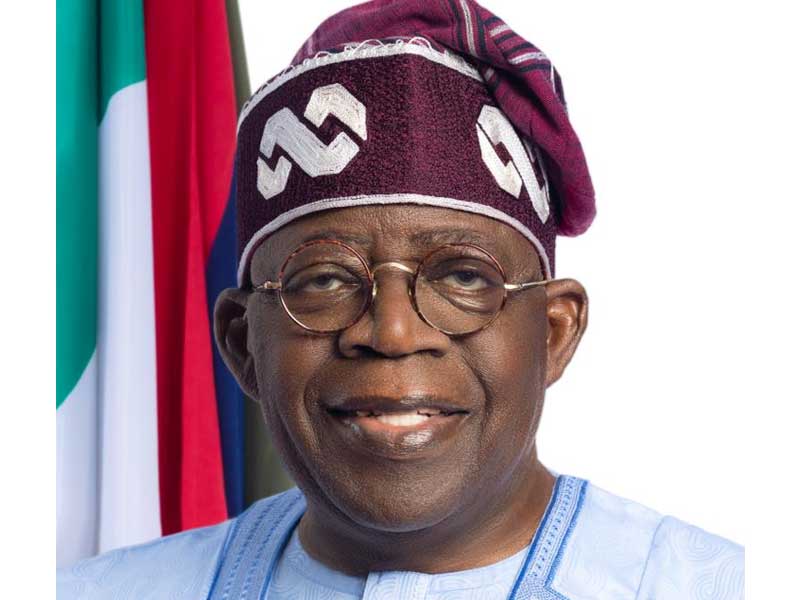
Obi Cubana, Cubana Chief Priest, Yul Edochie join Seyi Tinubu-backed mobilisation platform amid growing APC defections
President Bola Ahmed Tinubu’s push for a second term in 2027 is gathering fresh momentum, with a wave of high-profile entertainers and socialites publicly aligning with his re-election bid under the banner of the City Boys Movement.
The political mobilisation platform, championed by Seyi Tinubu, has intensified its activities across the country, drawing in prominent figures from the entertainment and business communities as the countdown to the next general election begins.
Celebrities rally behind Tinubu
Among those who have openly declared support are nightlife entrepreneur Obinna Iyiegbu (Obi Cubana), socialite Pascal Okechukwu (Cubana Chief Priest), businessman Cletus Oragwa (Zenco), and actors Yul Edochie, Bolanle Ninalowo, Zack Orji and Adeniyi Johnson. Comedian Seyi Law, a long-time supporter of the president, is also actively involved.
Obi Cubana has been named South-East Zonal Coordinator of the movement, tasked with mobilising young Igbo entrepreneurs and galvanising support for Tinubu’s 2027 ambition.
The City Boys Movement first emerged ahead of the 2023 elections as a youth-driven advocacy platform. Rather than dissolve after Tinubu’s victory, it has since expanded into what supporters describe as a structured grassroots political machine, with coordinators across states, local governments and wards.
Opposition raises concerns
Critics argue that the growing alliance between political power and celebrity influence signals an aggressive early campaign strategy.
Comrade Engr Dr Eragbe Anslem Aphimia, National Youth Leader of the Labour Party, said the president has demonstrated a long-standing ability to cultivate influence across sectors.
He claimed Tinubu’s political reach now extends into security institutions, the electoral system, political parties, the legislature, judiciary and entertainment circles — shaping narratives ahead of 2027.
“Discussions, however negative, will dominate the airwaves and keep him at the centre of mobilisation,” he said, suggesting Nigeria risks tilting towards a one-party dominance.
Similarly, APC chieftain Eze Chukwuemeka Eze questioned the motive behind the City Boys Movement, describing it as a vehicle designed to consolidate political loyalty through youth engagement and empowerment initiatives tied to the administration’s Renewed Hope agenda.
According to him, the movement’s structure — from national executives to ward-level canvassers — reflects long-term planning rather than post-election celebration. He also pointed to elite patronage and financial backing as key drivers of its rapid expansion.
Celebrity influence vs voter realities
Public affairs analyst Dr Adetokunbo Pearse offered a different perspective, arguing that celebrity endorsement does not necessarily translate into electoral success.
He maintained that while entertainers may draw crowds, their influence over economically distressed voters could be limited, particularly in the South-East where political loyalties remain deeply rooted.
“The electorate will ultimately make decisions based on lived realities,” he suggested, adding that hardship, unemployment and security concerns remain dominant issues.
APC strengthens political foothold
Beyond celebrity endorsements, Tinubu’s re-election prospects have been bolstered by a steady stream of defections to the ruling All Progressives Congress (APC).
Governors elected on the platform of the Peoples Democratic Party (PDP), including Umo Eno of Akwa Ibom and Sheriff Oborevwori of Delta, have crossed over to the APC in recent months. Reports also suggest additional defections could further consolidate support for the president ahead of 2027.
With nearly 30 state governors now reportedly aligned with the president, Nigeria’s political landscape appears to be shifting significantly — long before the official campaign season begins.
As the City Boys Movement deepens its grassroots reach and high-profile endorsements continue to roll in, the battle lines for 2027 are already being drawn.