
Now Reading: INEC Clears Chairman Amupitan of Partisan X Post, Orders Security Probe into Alleged Account
-
01
INEC Clears Chairman Amupitan of Partisan X Post, Orders Security Probe into Alleged Account
INEC Clears Chairman Amupitan of Partisan X Post, Orders Security Probe into Alleged Account

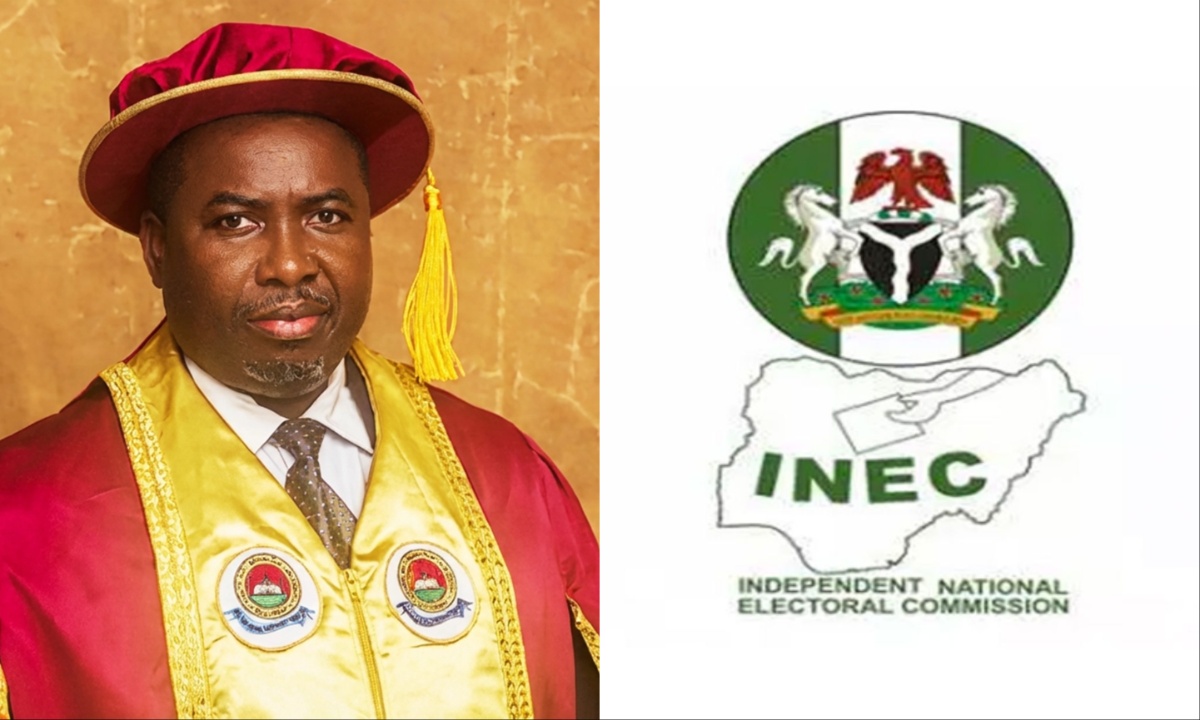
Nigeria’s electoral umpire has pushed back against claims that its chairman made a partisan social media post, insisting there is no verified forensic evidence linking him to the account — while ordering a deeper investigation into the controversy.
The Independent National Electoral Commission (INEC) said allegations that its chairman, Joash Amupitan, posted content supporting the All Progressives Congress (APC) during the 2023 general elections remain unproven. The commission’s ICT director, Lawrence Bayode, stressed that available findings do not establish a direct connection between the chairman and the disputed X account.
Speaking on Channels Television’s The Morning Brief on Monday, Bayode said claims of forensic analysis circulating online had not been independently verified. He maintained that conclusions would only be based on credible digital evidence, not screenshots or social media speculation.
The controversy stems from a post allegedly linked to Amupitan’s name, which appeared to show support for the ruling party during the last general elections. The claim has triggered debate over neutrality within Nigeria’s electoral body and the risks posed by misinformation online.
Despite dismissing the current evidence, INEC said the matter would not be ignored. Bayode confirmed that the commission has referred the case to security agencies and is also engaging independent forensic experts to conduct a fresh analysis of the account’s origin and activity.
He added that internal reviews are ongoing, noting that multiple layers of verification would guide the commission’s final position. “We rely on evidence,” he said, stressing that no judgment would be based solely on unverified digital material.
Bayode also warned about the growing threat of artificial intelligence tools and digital manipulation, pointing out that systems like Grok — an AI chatbot — can generate misleading or inaccurate outputs. He urged caution when relying on AI-generated information, particularly in matters of public interest.
According to him, the situation may involve digital impersonation, explaining that social media accounts can be created or altered using another person’s identity. He noted that account renaming, hacking, and content manipulation are increasingly common tactics that can mislead the public if not carefully scrutinised.
The commission said its ongoing investigation aims to establish the truth while reinforcing public trust, as concerns over digital misinformation continue to shape political discourse in Nigeria.