
Now Reading: Soaring Inflation Drives Return of ‘Kogi Soap’ as Nigerians Abandon Expensive Detergents
-
01
Soaring Inflation Drives Return of ‘Kogi Soap’ as Nigerians Abandon Expensive Detergents
Soaring Inflation Drives Return of ‘Kogi Soap’ as Nigerians Abandon Expensive Detergents

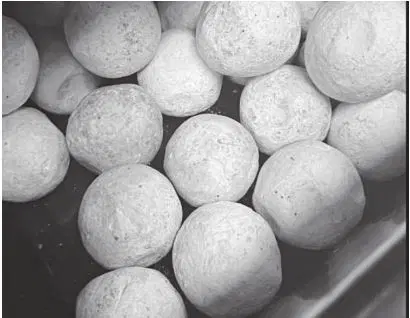
A quiet but striking shift is unfolding in Nigerian households as rising inflation pushes many families back to an old household staple — locally made bar soap popularly known as “Kogi soap”.
Once considered outdated and replaced by modern detergents and imported bathing products, the traditional sky-blue or cream-coloured soap is now making a strong comeback across markets nationwide as living costs continue to climb.
The surge in demand comes as prices of detergents and branded bathing soaps have risen sharply in recent months, driven largely by higher fuel costs, transportation expenses, and production overheads that continue to ripple through the economy.
In many neighbourhood markets, traders say Kogi soap is now a fast-moving item, with customers buying in bulk as households look for cheaper alternatives that can handle multiple cleaning needs.
Made locally from ingredients such as palm kernel oil and caustic soda, the soap is being repurposed for bathing, dishwashing, and laundry — roles once dominated by commercial detergent brands.
For many families under financial pressure, the appeal is simple: affordability and durability.
“I can’t remember the last time I bought a full pack of detergent,” said a trader in the garri business. She explained that rising prices have forced her to switch back to Kogi soap, which she says lasts longer and costs significantly less.
Another resident described how even basic household hygiene products have become a budgeting challenge, adding that detergent usage in her home is now strictly rationed to save costs.
Some consumers say the shift is not only about price but also about controlling waste, especially in homes with children where soap and detergents are often used quickly.
Small business owners, including mechanics and artisans, also say they have returned to the traditional soap for washing tools, dishes, and clothing, describing it as more economical in their daily operations.
However, the resurgence has also raised concerns among skincare experts, who warn that not all versions of the soap on the market are safe for use.
A skincare vendor noted that some producers are increasing caustic soda content to cut costs, which can make the soap harsh on the skin. She advised consumers to be cautious and opt for variants blended with natural oils like coconut or aloe vera.
Despite these warnings, the trend reflects a broader economic reality: as inflation erodes purchasing power, many Nigerians are reverting to cheaper, locally made alternatives for everyday survival.
Once pushed aside by imported bathing products and black soaps, Kogi soap is now re-emerging not as a nostalgic choice — but as a practical response to economic pressure