Now Reading: Nigeria Deepens Economic Reforms, Engages Foreign Media on Growth, Security and Investment Drive
-
01
Nigeria Deepens Economic Reforms, Engages Foreign Media on Growth, Security and Investment Drive
Nigeria Deepens Economic Reforms, Engages Foreign Media on Growth, Security and Investment Drive

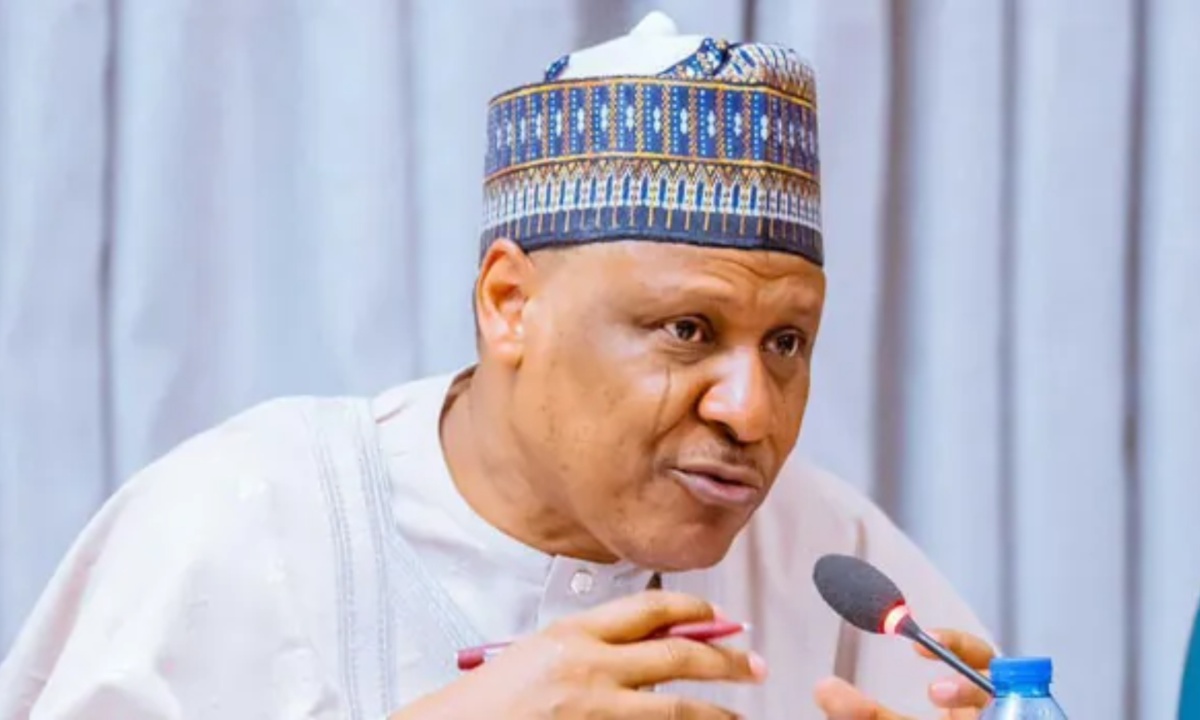
The Federal Government has stepped up its economic diplomacy efforts, outlining ongoing reforms and policy shifts while engaging leading international media organisations on Nigeria’s development agenda and global positioning.
The engagement took place during an interactive session in Abuja, where senior government officials briefed foreign journalists on reforms spanning the economy, security architecture, education, and infrastructure development.
According to a statement released by the Federal Ministry of Information and National Orientation on April 23, 2026, officials used the platform to highlight what they described as a broad structural transformation under the current administration.
Minister of Information and National Orientation, Mohammed Idris, said the government is implementing one of the most ambitious reform programmes in decades, aimed at stabilising and repositioning the economy.
“We are embarking on the most comprehensive set of structural reforms in decades,” Idris said, pointing to ongoing policy adjustments designed to strengthen fiscal performance and investor confidence.
He explained that measures such as fuel subsidy removal and exchange rate unification are already reshaping government finances, with savings being redirected toward infrastructure development and social welfare programmes.
On security, Idris said intelligence-led operations have contributed to improved stability in parts of the country, while legislative processes are underway to further strengthen governance structures at sub-national levels.
He also pointed to initiatives in education and youth development, including student loan schemes and expanded digital infrastructure, as part of efforts to improve long-term human capital growth.
Idris urged international media organisations to adopt balanced reporting on Nigeria, noting that coverage should reflect both challenges and areas of progress.
“Accurate reporting requires holding both truths,” he said, calling for a more nuanced global narrative on Nigeria’s reforms.
Minister of Finance and Coordinating Minister of the Economy, Wale Edun, also addressed the session, saying the country’s reform agenda has now entered a consolidation phase focused on delivering tangible economic outcomes.
“We have moved from fragility to stability, and now to consolidation,” Edun said, underscoring what he described as early signs of macroeconomic recovery.
The Minister of Industry, Trade and Investment, Jumoke Oduwole, highlighted ongoing efforts to attract investment and diversify the economy through industrial growth, trade expansion, and private-sector collaboration.
The Federal Government said the engagement forms part of a broader strategy to strengthen international communication, attract investment, and reposition Nigeria more competitively in the global economy.