Now Reading: “Omo Onile” Crisis: Osun Estate Valuers Demand Urgent Laws to Curb Land Grabbing
-
01
“Omo Onile” Crisis: Osun Estate Valuers Demand Urgent Laws to Curb Land Grabbing
“Omo Onile” Crisis: Osun Estate Valuers Demand Urgent Laws to Curb Land Grabbing

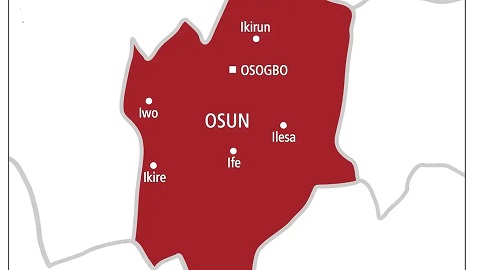
Rising cases of land grabbing in Osun State have triggered fresh calls for urgent government action, as property experts warn that unchecked “Omo Onile” activities are threatening real estate investment and development.
The Osun State Chairman of the Nigerian Institution of Estate Surveyors and Valuers, Olusola Jibril Adebiyi, said the growing menace has evolved into organised extortion, with developers increasingly targeted at construction sites.
Speaking in Osogbo during activities marking the 2026 Valuation Day, Adebiyi stressed that both federal and state governments must move quickly to introduce stronger policies and enforceable laws to address the situation.
“When it comes to landed property, the menace of Omo Onile is still a factor in Nigeria,” he said, linking the problem to disputes over lands acquired decades ago by government, where descendants of original owners now resurface with fresh claims.
According to him, the trend has gone beyond ownership disputes, with individuals forcefully entering project sites and demanding illegal payments from property developers and investors.
He argued that without decisive legal action, the situation could discourage investment in the real estate sector and undermine confidence in land ownership systems.
Adebiyi also called on traditional rulers and community leaders to take responsibility within their domains, noting that local enforcement and cooperation are critical to ending the practice.
Beyond land grabbing, he raised concerns about the increasing role of unqualified practitioners in property transactions, warning that many Nigerians still rely on unlicensed agents instead of certified professionals.
He emphasised that only individuals licensed by the Estate Surveyors and Valuers Registration Board of Nigeria are legally qualified to carry out valuation services, cautioning that engaging untrained operators exposes clients to financial risks.
Other stakeholders echoed similar concerns. Former Osun NIESV chairman, Adedoye Adekunle, said the profession remains heavily regulated, with strict ethical standards that could lead to licence withdrawal for misconduct.
Meanwhile, Olusegun Omisore, Director of Lands at the Osun State Ministry of Lands and Physical Planning, identified poor land records as a major structural challenge, noting that the absence of reliable data leads to inconsistent valuation outcomes.
He added that weak enforcement, corruption, and political interference continue to complicate efforts to standardise land valuation practices across the country.