Now Reading: Dangote Rejects NNPC Bid for More Refinery Shares Ahead of Planned IPO
-
01
Dangote Rejects NNPC Bid for More Refinery Shares Ahead of Planned IPO
Dangote Rejects NNPC Bid for More Refinery Shares Ahead of Planned IPO

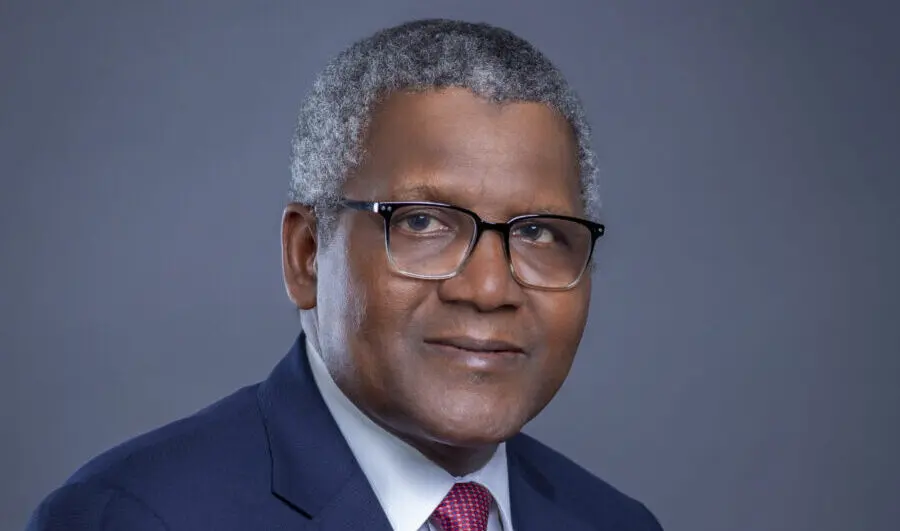
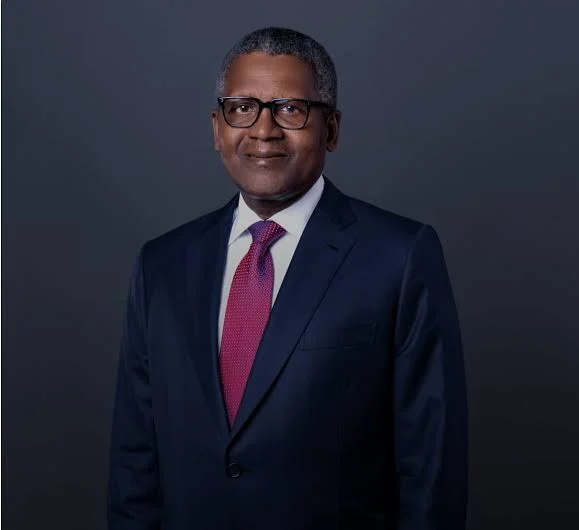
Aliko Dangote has revealed that the Nigerian National Petroleum Company (NNPC) sought to acquire additional shares in the multi-billion-dollar Dangote Refinery, but the request was rejected as the company prepares for a future public listing.
Speaking during an interview with Nicolai Tangen monitored by Channels Television, Dangote said the decision was deliberate because the company wants ordinary Nigerians and broader investors to participate in ownership through an initial public offering (IPO).
“The national oil company already owns 7.25 per cent, and they are trying to buy more. We are the ones that said no; we want to now spread it and have everybody be part of it,” Dangote said.
The revelation shines more light on the evolving relationship between the privately owned refinery and the state oil company, which initially planned to hold a much larger stake in the project.
Back in 2021, the Nigerian National Petroleum Company Limited acquired a 7.25 per cent stake in the refinery for $1 billion, with an option to purchase an additional 12.75 per cent stake before June 2024.
However, Dangote disclosed in 2024 that the national oil company failed to complete payment for the full 20 per cent agreement, forcing the stake to remain at 7.25 per cent.
“The agreement was actually 20 per cent, which we had with NNPC, and they did not pay the balance of the money… so NNPC owns only 7.2 per cent, not 20 per cent,” he had stated at the time.
Former NNPC spokesman Olufemi Soneye later explained that the company reduced its planned investment in the refinery to redirect funds toward compressed natural gas infrastructure projects.
Dangote also identified policy instability and regional insecurity as major threats facing the refinery business, warning that inconsistent government policies remain a serious concern for investors operating in Nigeria.
“The other biggest risk is government inconsistencies in policies,” he said, while also mentioning the impact of civil conflict and broader economic uncertainty.
The billionaire businessman added that financing the refinery became significantly more difficult after the devaluation of the naira forced the group to rely heavily on both African and Nigerian financial institutions.
According to him, major lenders that supported the project included Afreximbank, Africa Finance Corporation, Zenith Bank, Access Bank, United Bank for Africa, Standard Bank and Standard Chartered.
Despite the financial and operational hurdles, Dangote said the refinery eventually exceeded expectations after completion.
The massive refinery project, commissioned in May 2023, is regarded as one of Africa’s largest industrial investments and remains central to Nigeria’s drive to reduce fuel import dependence.