
Now Reading: Nigeria Losing Massive Revenue to Energy Theft, Weak Metering System — Expert Warns
-
01
Nigeria Losing Massive Revenue to Energy Theft, Weak Metering System — Expert Warns
Nigeria Losing Massive Revenue to Energy Theft, Weak Metering System — Expert Warns

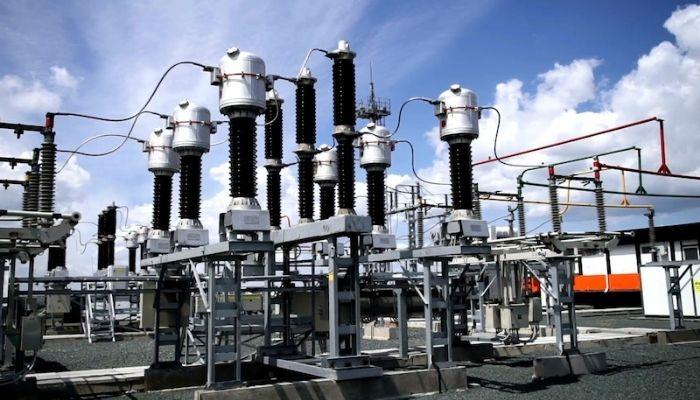
Nigeria’s power sector is bleeding revenue due to widespread energy theft, outdated infrastructure, and weak metering systems, according to the President of the Nigeria Consumer Protection Network, Kunle Olubiyo.
Olubiyo raised the alarm during an interview with the News Agency of Nigeria in Abuja on Monday, warning that both consumers and institutions are deeply involved in practices that drain the electricity value chain.
He explained that energy theft happens across the system—from generation to transmission and distribution—creating major financial losses and weakening service delivery nationwide.
At the consumer level, he said illegal connections, meter bypassing, and unauthorised access to electricity remain widespread, especially in residential and commercial areas.
“Whether through metre bypass or illegal connection, many customers are using electricity for free. That is energy theft,” he said.
He also described how some users directly tap electricity through underground cables without meters, while others exploit estimated billing systems to avoid paying for actual consumption.
Beyond households, Olubiyo warned that institutional-level energy theft is also a major concern within the power sector itself.
He alleged that outdated and poorly configured wholesale meters used between generation companies, transmission operators, and distribution firms are distorting actual power readings.
According to him, this mismatch can lead to inaccurate reporting, including cases where recorded electricity output exceeds actual generation levels, raising questions over subsidy claims and system transparency.
“If 4,000 megawatts is generated and 7,000 megawatts is recorded, that is energy theft because the excess energy does not get to consumers,” he stated.
Olubiyo further raised concerns over alleged irregularities in the handling of maintenance and repair contracts within the sector.
He claimed that some infrastructure contracts—meant for fixing transmission towers and damaged grid equipment—are often inflated, creating opportunities for exploitation.
“When transmission towers collapse, or infrastructure is vandalised, there is often a chain of beneficiaries from the repair contracts,” he said.
He added that weak financial capacity and underinvestment by some electricity distribution companies continue to worsen infrastructure decay across the country.
The expert called for stronger monitoring systems, improved metering technology, and tighter oversight of contracts to reduce losses and improve efficiency in the power sector.
FACEBOOK & LINKEDIN POST